1 IN 3
people worldwide will experience a neurological or psychiatric disorder
By 2030, annual cost of brain-related disorders is projected to reach
S$30 billion
in Singapore

Issue 57
Feb 2026
INSIGHTS
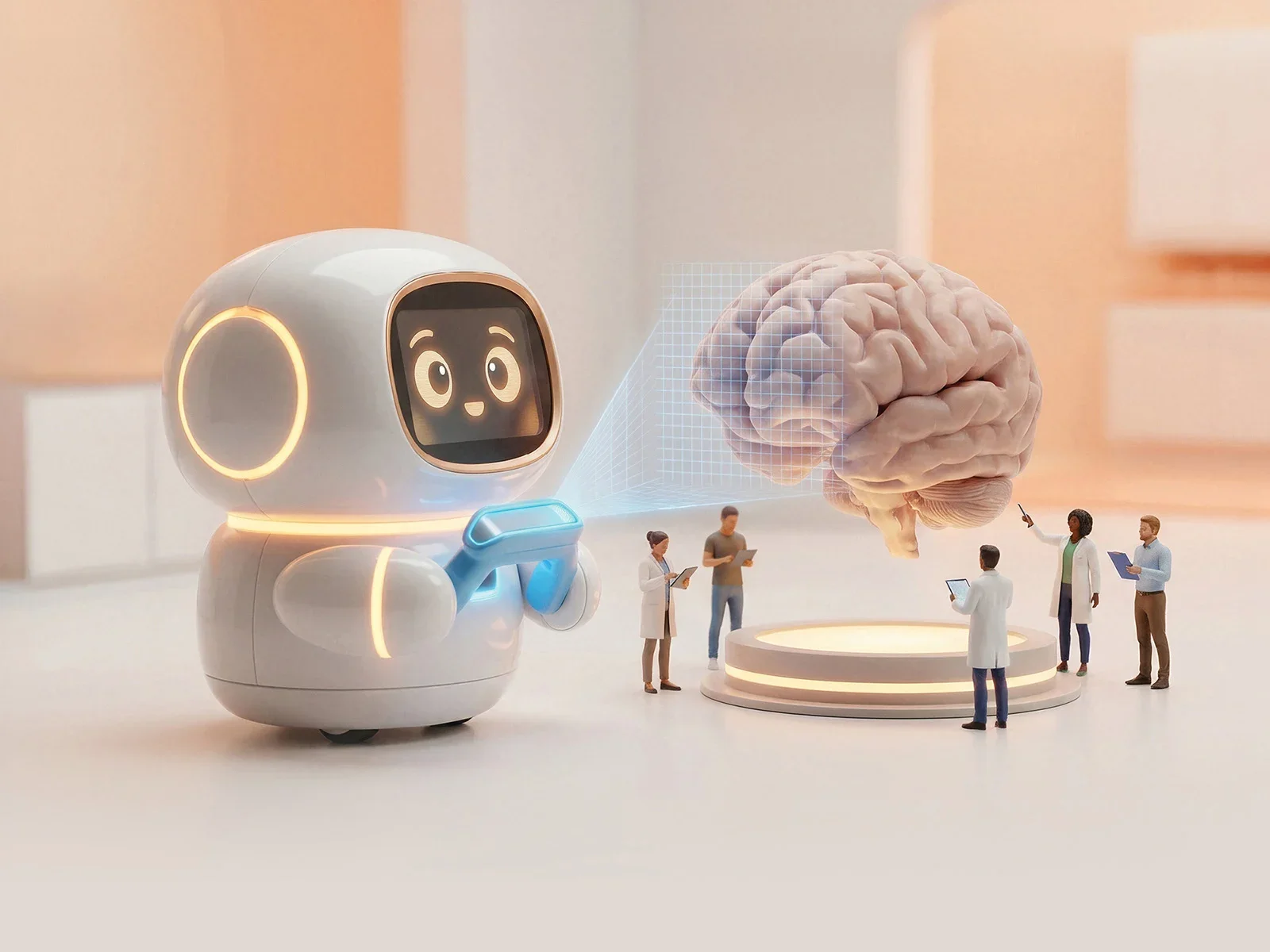
Brain disorders are estimated to cost the global economy $5 trillion a year—a figure expected to triple to $16 trillion by 20301. Advances in neuroscience and Artificial Intelligence (AI) are offering exciting opportunities to disrupt this trajectory—and Associate Professor Helen Zhou and her team at the Centre for Translational Magnetic Resonance Research (TMR), Yong Loo Lin School of Medicine, National University of Singapore (NUS Medicine), are at the forefront of that effort.
More than one in three people is affected by a neurocognitive disorders such as Alzheimer’s disease (AD), depression and schizophrenia at some point in their lives2. In another study conducted in 2024, this number is projected to increase by 22% by 20503.
Racing against time, Assoc Prof Zhou and team are bringing together human and machine intelligence to push the limits of neuroimaging and AI to deepen our understanding of how the human brain develops, ages and becomes vulnerable to disease. Their goal: treat illness, and promote resilience and brain health across the human lifespan.
“By 2030, the cost burden of brain disorders for Singapore is estimated to reach $30 billion,” she said. “Given our knowledge that neuropsychiatric disorders target specific neural networks linked to their symptoms and are associated with distinct ages—from childhood to late adulthood, we are using various brain imaging techniques like MRI and EEG, together with AI, to understand the brain’s structure, how different regions communicate and coordinate to influence behaviour and how they change functionally over time—essentially, the brain network phenotype.”
Understanding brain functions
The human brain is complex. It controls most of the activities of the body by processing, integrating and coordinating information received from the senses, and initiating verbal, physical and behavioural responses accordingly.
That is why, instead of focusing on a single brain region, Assoc Prof Zhou explores interactions between different regions. “I am a strong believer in studying brain circuits and brain-behaviour relationships to spot early signs of brain changes and to better track longitudinal trajectories, including disease progression and treatment response.”
Her interest led to her groundbreaking work that demonstrates the differences between AD brain network phenotypes and cerebrovascular disease in Asian populations. “We noted that almost 40% of people with dementia in Singapore have both AD and cerebrovascular disease. But on closer look, we saw that their brain network phenotypes are different,” she said. “What’s even more exciting is that we managed to verify the same findings with the Korean cohorts through collaboration with our South Korean colleagues.”
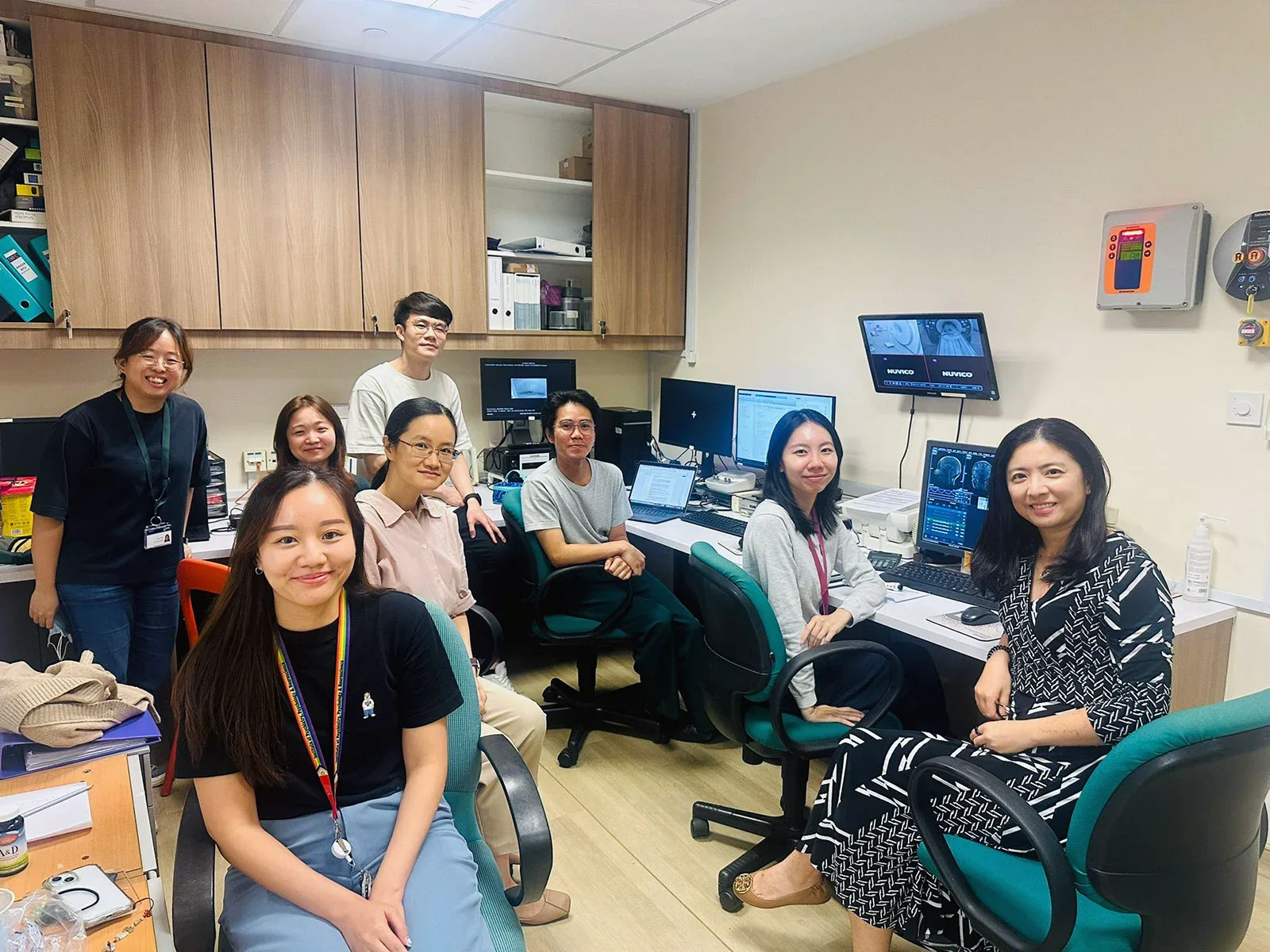
Assoc Prof Zhou took the study further in 2024 when she used imaging to show how AD’s pathology amyloid interacts with the brain network phenotype of cerebrovascular disease to influence neuron loss and cognitive decline.

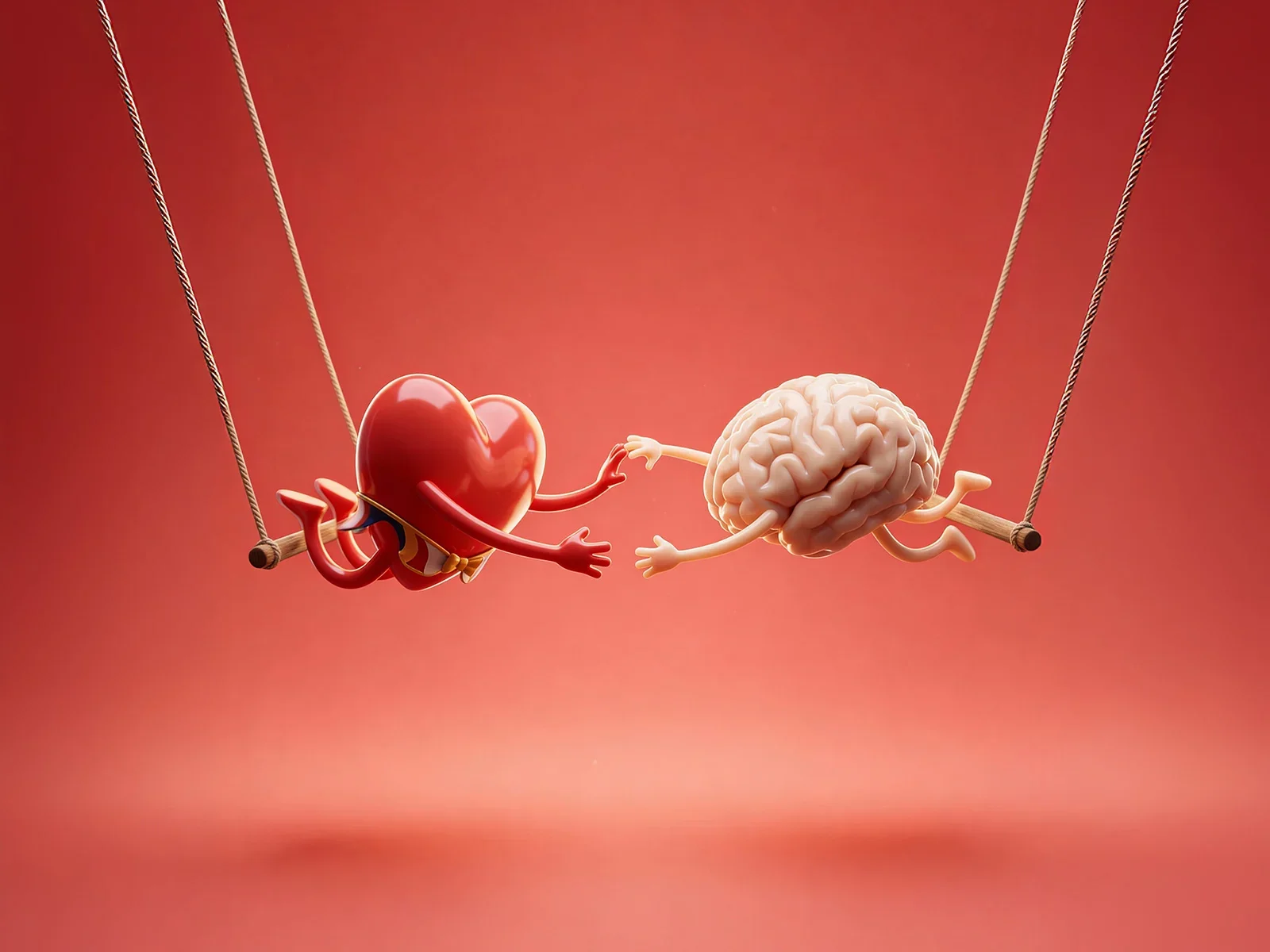
But the brain is not the only part that Assoc Prof Zhou’s lab has interest in. “We are equally interested in the brain-heart axis, and exploring the broader brain-body connection, among other things,” she said. “For example, we recently discovered that early microvascular changes in the brain are actually linked to cardiac dysfunction—and together, they can contribute to cognitive decline, indicating a possible heart-brain connection. We’ve also found that the brain is connected to our physical health, such as hand grip strength, which in turn is linked to cognition.”
Genetic and environmental influences on the brain
The work of understanding the human brain just got more interesting for Assoc Prof Zhou recently. “In the last two decades, both brain imaging technology and AI have progressed very rapidly,” she explained. “Together, they present a unique opportunity to better understand the human brain, and to develop personalised, precise treatments.”
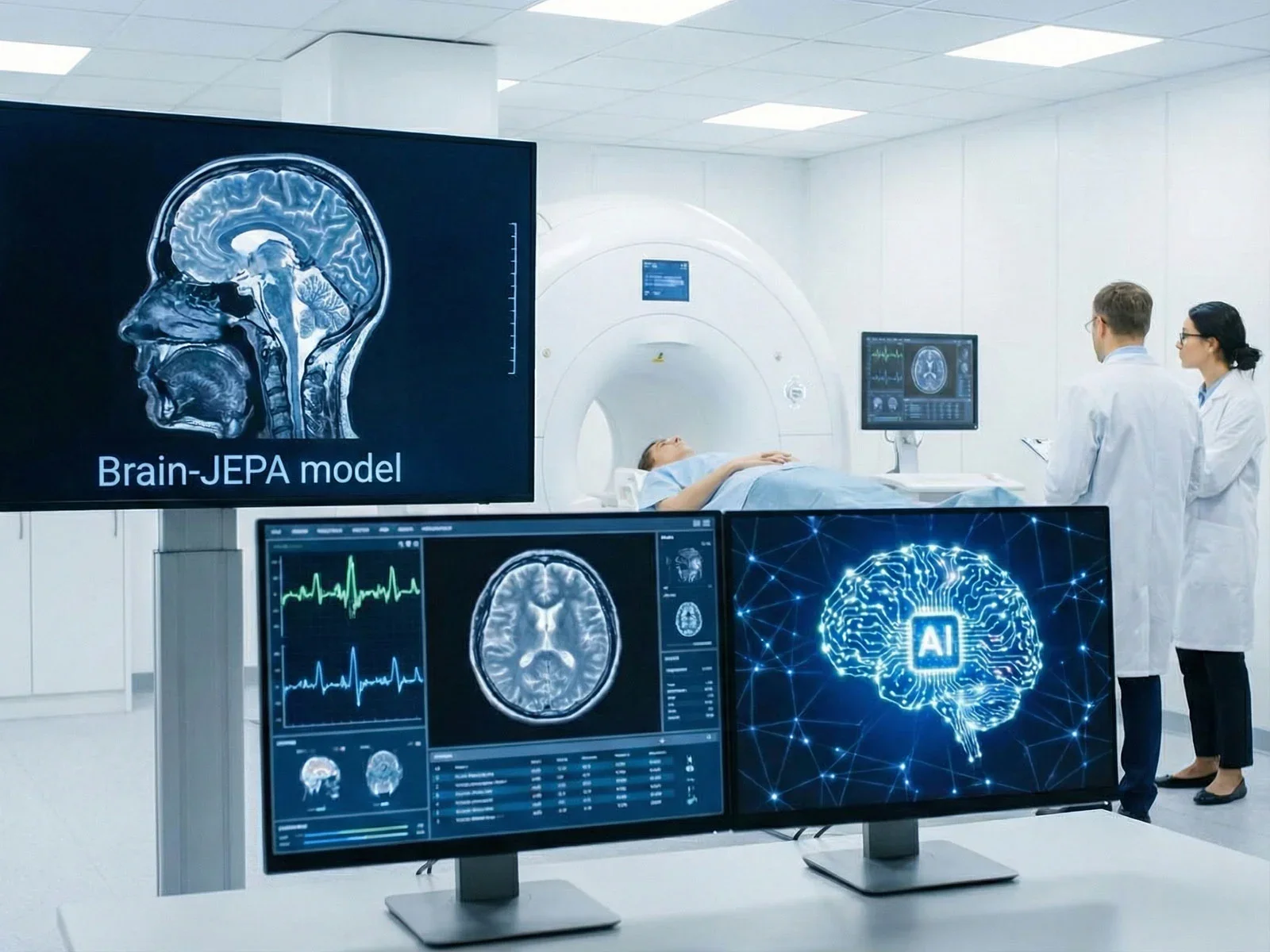
Harnessing the two technologies, her team is currently developing brain foundation models that use deep learning and generative AI to address meaningful questions in neuroscience and Medicine. One example is the Brain-JEPA foundation model unveiled last year. “Most AI models require large amounts of labelled data. But by integrating self-supervised learning into the Brain-JEPA, our model learns abstract patterns in brain activity and can effectively predict demographics, understand personality traits, and diagnose brain disorders across different ethnic groups.”
“This is super interesting and useful for serving different objectives,” she added, “such as identifying persons at risk for dementia across both Caucasian and Asian populations, assessing older adults’ executive functions and mental health issues, and even predicting the probability of disease progression for people with AD.”
Recognising the potential of blending brain imaging, AI and data captured through digital monitoring devices, Assoc Prof Zhou is an advocate for expanding research in this area. “To truly understand how the human brain works, we need to find out how it is influenced by genetic and environmental factors, including one’s lifestyle. From there, we can better determine the modifiable factors—like diet, exercise and sleep—that enhance our brain capacity.”
She believes this is where technology becomes especially helpful. “Everyone knows the importance of exercising and eating and sleeping well, but it is hard to know where they can do better. Annual health screenings don’t always tell the full story either.” She continued, “This is where digital devices come in to monitor, detect early signs and generate reminders to nudge people towards healthier behaviours—and if we can tap into this information and validate them with brain imaging and AI, we can potentially answer some important questions relating to our population’s brain health.”
Beyond the brain
As far as Assoc Prof Zhou is concerned, the future is filled with possibilities. She and her team are wasting no time in creating impact—advancing their Brain-JEPA foundation models and deepening collaboration with clinicians and other partners in clinical trials. “These efforts may appear independent of one another, but they are actually deeply connected,” she said.
It is, in effect, a no-brainer. “By enhancing our Brain-JEPA foundation model into a scalable and unified neuroscience platform, our future research, as well as that of other researchers, can leverage it to conduct analyses across different disorders, cohorts and ethnicities—which will hopefully advance precision neurology and psychiatry medicine eventually,” she elaborated.
At the same time, Assoc Prof Zhou’s team is working with clinicians on several notable interventions and longitudinal studies. Three examples include GUSTO, a study that tracks children from birth to adolescence, SG70 which examines how midlife lifestyles influence late-life brain health, and SINGER which studies how AI integrated with multimodal biomarkers—brain, retina, blood, genetics—can predict response to intervention.
“With these collaborations, the possibility of population-level brain health monitoring is now closer to reality than ever,” she said. “We are standing on the cusp of a future where neuroscience, Medicine and AI converge to transform care and prevention.”
https://www.weforum.org/stories/2024/09/brain-gain-how-improving-brain-health-benefits-the-economy/.
https://www.who.int/news/item/14-03-2024-over-1-in-3-people-affected-by-neurological-conditions--the-leading-cause-of-illness-and-disability-worldwide.
https://doi.org/10.1212/WNL.0000000000205009.
More from this issue
AFFAIRS OF THE HEART
Cardiac Dysfunction Impacts Brain Health
DOSSIER
Ask the Scientist