Issue 55
Sep 2025
SPECIAL FEATURE
By Associate Professor Cuthbert Teo, Editorial Advisor, SMA News, Singapore Medical Association
This 14-part series on the history of Medicine in Singapore was originally published by the Singapore Medical Association.
To understand some of the events that occurred in relation to medical education, it would be appropriate to briefly review the history of the naval base and the Japanese invasion of Singapore.
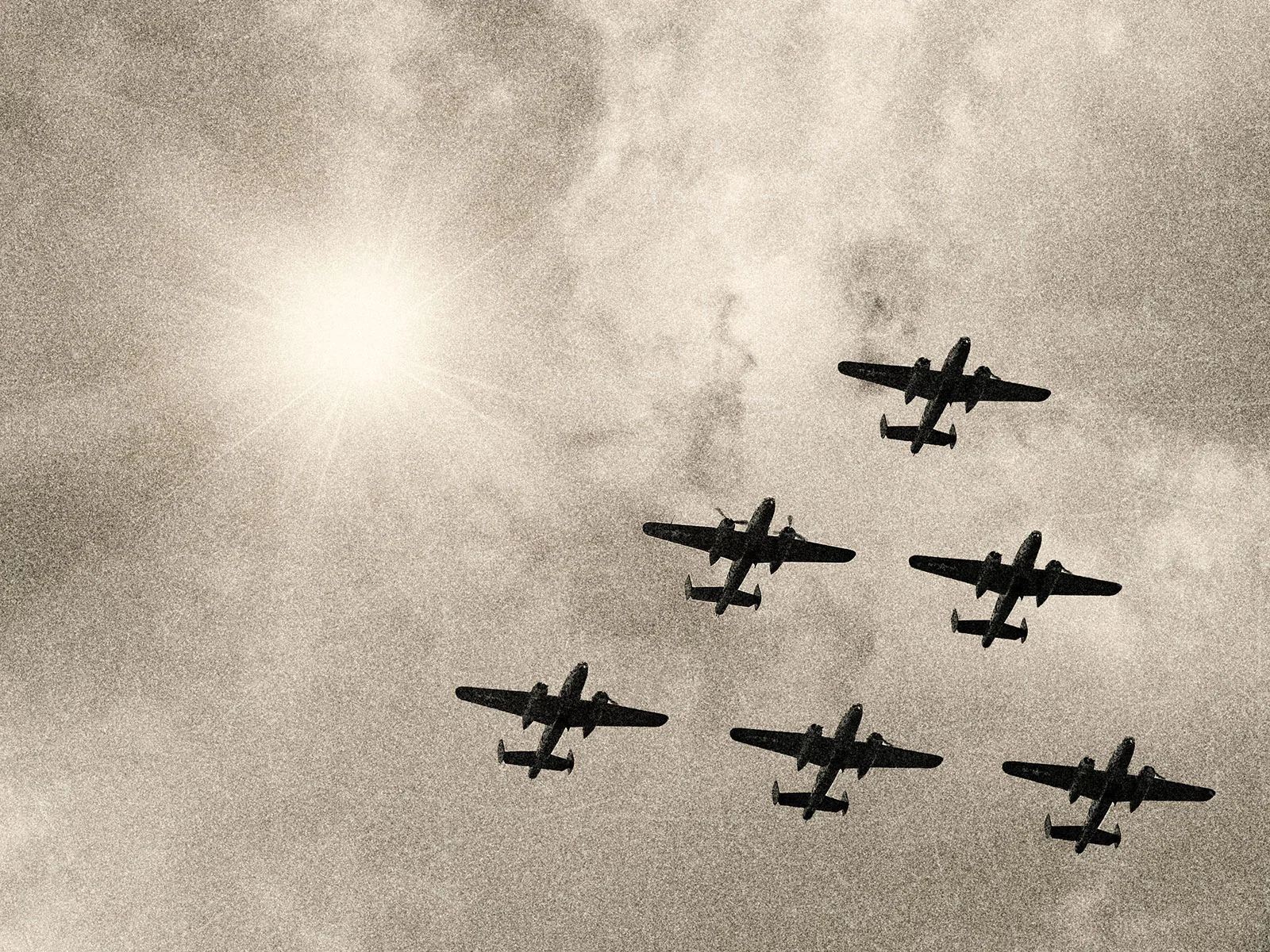
In 1923, the British began building a naval base in Singapore in response to Japan’s increasing naval power. The King George VI Dock was completed in 1941 and was defended by artillery, searchlights and the newly built Tengah Airfield nearby. Singapore was called the “Gibraltar of the East”. However, there were no ships because the British fleet was committed to Europe and the Middle East by 1940. Britain was confident that Singapore could withstand any attack, which they assumed would come from the south and from the sea. Thus, heavy guns defended the port and the city, and machine-gun bunkers lined the southern coast. The only local defence forces were the four battalions of Straits Settlements Volunteer Corps and a small civil defence organisation with units trained as air raid wardens, firefighters, medical personnel and debris removers. On 8 December 1941, two large Japanese naval convoys landed in southern Thailand and northern Malaya. Penang fell to the Japanese on 18 December 1941, Kuala Lumpur on 11 January 1942 and Malacca on 15 January 1942. When the Japanese reached Johor Bahru on 31 January 1942, the last of the British troops crossed to Singapore and blew a gap in the causeway.
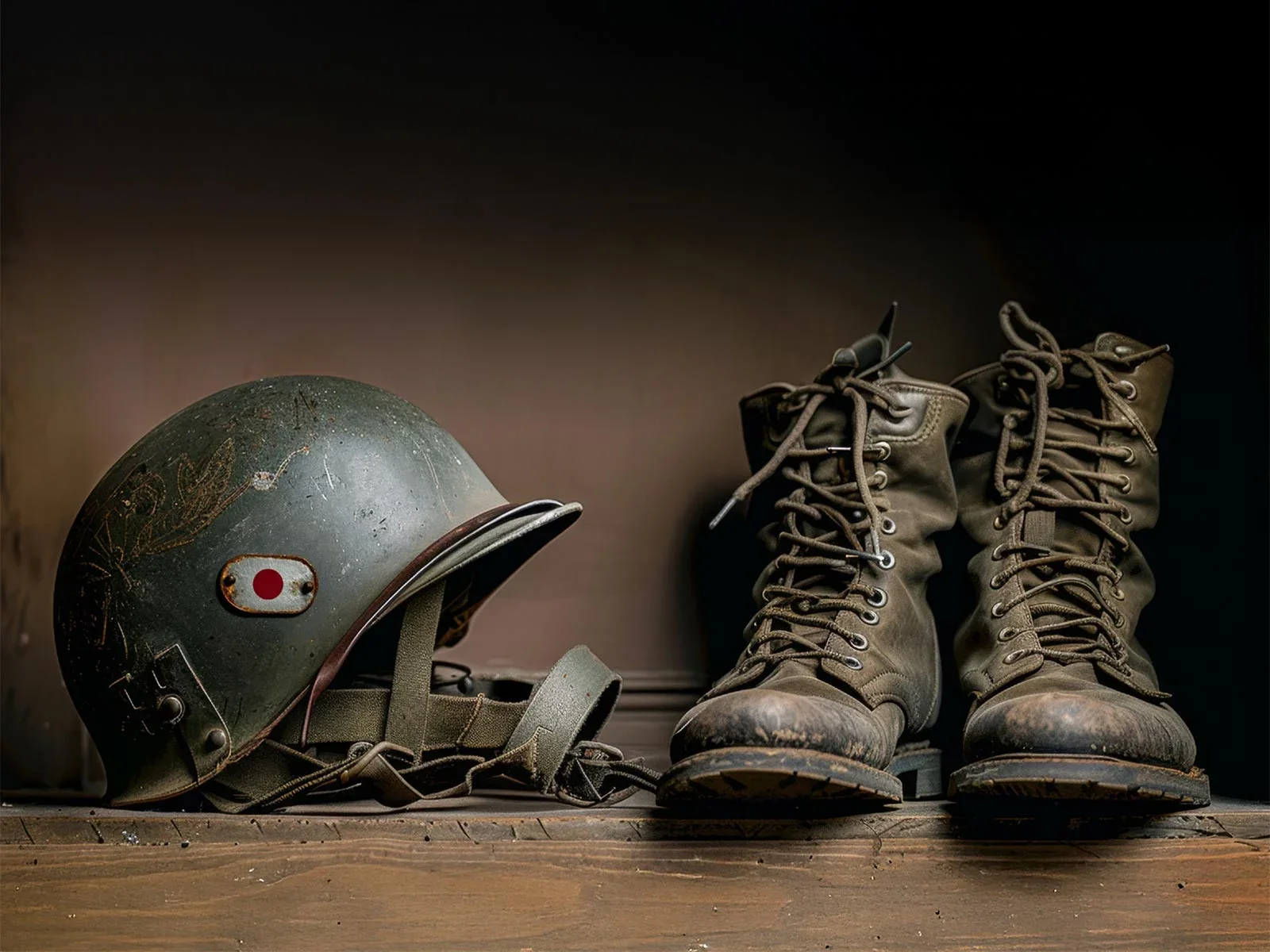
Singapore faced Japanese air raids almost daily in the latter half of January 1942. Fleeing refugees from the peninsula had doubled the 550,000 population of Singapore. On the night of 8 February, the Japanese landed, using collapsible boats, under cover of darkness on the north–west coast of Singapore. The Japanese then bombed the city by day and shelled it at night. Governor Shenton Thomas cabled London stating that “[t]here are now one million people within radius of three miles… Many dead lying in the streets and burial impossible. We are faced with total deprivation of water, which must result in pestilence…” On the evening of 15 February 1942, at the Japanese headquarters in the Ford Factory in Bukit Timah, the Japanese accepted Britain’s unconditional surrender of Singapore. The Japanese occupied Singapore from 1942 to 1945. They designated it the capital of Japan’s southern region and renamed it Shonan, meaning “Light of the South” in Japanese.1
Medical education was interrupted by the Japanese invasion of Malaya in 1941. When it was realised that the Japanese would soon be arriving in Singapore, the College brought forward the March Final Examination to January 1942, and this allowed five doctors and five dentists to qualify.
During the Occupation, the Japanese Armed Forces commandeered the General Hospital (GH) for their own casualties, and the GH became the main surgical centre for the Japanese army and navy in Southeast Asia. Patients from GH were transferred to the Mental Hospital. The medical department was under the charge of Dr K Ando, Director of Medical Services (he graduated from King Edward VII College of Medicine in 1912), and his deputy, Dr Gopal Haridas. (Dr Haridas later became the first Singaporean paediatrician and senior physician at the GH. He was the first graduate from the College to receive the MRCP in the 1930s. Dr Thiruchelvan was the first local graduate to obtain the FRCS.) During the Occupation, medical services in Singapore broke down; disease became rife and deaths mounted.
In one example, Prof ES Monteiro described the effects of typhoid fever and diphtheria during the Japanese Occupation:2 “… I was a victim myself. There was no specific cure then. The course of the disease was a long and hectic one, of six to eight weeks of fever and loss of flesh… The greatest danger is from haemorrhage (30% of cases) and perforation with fatal general peritonitis (30% of cases) in the hospital record, with an overall mortality rate of 40%. Surgery of these peritonitis cases did not help. (Author’s note: Chloramphenicol, the treatment for typhoid fever, was not discovered until 1944) … I was put in charge of Middleton Hospital, … having been evacuated from the GH and TTSH [Tan Tock Seng Hospital]… Apart from the epidemics… the hospital was inundated with sick people who were suffering from malnutrition, famine oedema and tropical ulcers of the legs… infectious diseases… took a heavy toll of lives of children of occupied Singapore… Chinese medicine men to whom these cases were first sent would blow in a mercuric compound into the trachea and lungs to dissolve the membrane. These powders only added to the obstruction with a dirty mucoid gritty matter, which was difficult to aspirate even after tracheostomy… In no other illness is the saying truer—that death lurks in the shadow of delay… The hospital had run short of anti-diphtheria serum and the Japanese could not supply the hospital requirements… But two facts gave me the solution to my problem. One was that I had a culture of diphtheria bacilli which were able to grow on the surface of a liquid media, and the toxins produced would sink to the fluid portion… The second was that I had eight goats presented to us for food in case of necessity. I injected firstly two goats with graduated doses of the diphtheria toxin which I obtained by filtration. I gradually increased the dosage… After eight weeks, I bled the goats. The blood was allowed to clot, and I separated the serum from the clot. I tried it on guinea pigs inoculated on the skin with diphtheria toxin, and it worked. I used this crude serum from goats and cured many cases of diphtheria.” (Author’s note: I remember a story that my deceased grandmother told me about my father who, as a child during the Japanese Occupation, had diphtheria diagnosed after rubbing of chest with an egg, which when cracked, showed a black hair in it. My father had later apparently been treated with diphtheria serum made in this way.)
Just before the Japanese occupied Singapore, over 200 students from the King Edward VII College of Medicine joined the MAS and the Passive Defence Forces (which was part of the MAS). Local graduate doctors who were in private practice joined their government colleagues tending to the injured in the hospitals.
The Kandang Kerbau Hospital (KKH) became the main civil hospital, was renamed as Chuo Byoin and became known as the Central Civil GH. The maternity service was scaled down to one ward. It was manned by local and Japanese staff, with Dr Benjamin Sheares as the deputy medical superintendent. Two Japanese dentists (Dr Murakami and Dr Itoh) were posted to take over the maxillo-facial unit in the hospital, while the expatriate dentists were made prisoners-of-war. Dr Tay Teck Eng, a dental tutor, was instructed by the Japanese to set up a dental clinic at Woodbridge Hospital and he was later transferred to the clinic at KKH. TTSH was initially used as a military hospital by the Japanese, but after one year, it became a civil hospital and was renamed Hakuai Byoin, functioning as a subsidiary general hospital to KKH. When accommodation was inadequate, schools were used as hospitals for the wounded.
First-aid posts were set up in various buildings, manned by a Medical Auxiliary Service (MAS). The MAS was formed by the government before the outbreak of war, from a nucleus from the St John’s Association and Brigade. Just before the Japanese occupied Singapore, over 200 students from the King Edward VII College of Medicine joined the MAS and the Passive Defence Forces (which was part of the MAS). They received $45 a month and free board and lodging. They rendered yeoman services to those injured by the bombing and shelling, and worked 12 to 18 hours a day. Local graduate doctors who were in private practice joined their government colleagues tending to the injured in the hospitals.
Two doctors were said to have been killed by shelling at KKH while they were attending to casualties. After the Japanese invasion, local doctors treated the local population in KKH (Chuo Byoin), TTSH (Hakuai Byoin) and the Mental Hospital (Miyako Byoin). The chaos in these civilian hospitals during the first few months was gradually replaced with some semblance of order due to the efforts of the medical personnel. Equipment and drugs became very scarce. Students of the College who had been in their clinical years when the Japanese invaded received clinical instruction from the hospital doctors and dentists. Occasional clinico-pathological meetings were held at KKH.
The Mental Hospital and the Alexandra Military Hospital,3 built by the British Armed Forces in 1938, were used by the Japanese. At that time, it was the largest and best-equipped hospital in the British Far East Command. (In 1971, the British military handed the hospital over to the Singapore Government in connection with the withdrawal of British troops from the region. In 1994, Alexandra Hospital was designated the Alexandra Campus of the National University of Singapore. In October 2000, it became part of the National Healthcare Group; Alexandra Health in 2008; and JurongHealth in 2010).

A/Prof Cuthbert Teo is trained as a forensic pathologist. The views expressed in the above article are his personal opinions, and do not represent those of his employer.
US Library of Congress. World War II. In: Barbara Leitch Lepoer, ed. Singapore: A Country Study. Washington: GPO for the Library of Congress, 1989. Available at: http://countrystudies.us/singapore/8.htm.
Monteiro ES. Excerpts from a personal perspective of medicine in Singapore in the last 50 years. Singapore Med J 1977; 18(2):118-25.
Urban Redevelopment Authority. Alexandra Hospital. In: Conservation. Available at: https://www.ura.gov.sg/uol/conservation/conservation-xml.aspx?id=ALXDH.
More from this issue