
Issue 55
Sep 2025
DOSSIER
By Lutfi Zulnizan, Senior Research Intern, Project RESET, 2nd Year BSC Nursing student
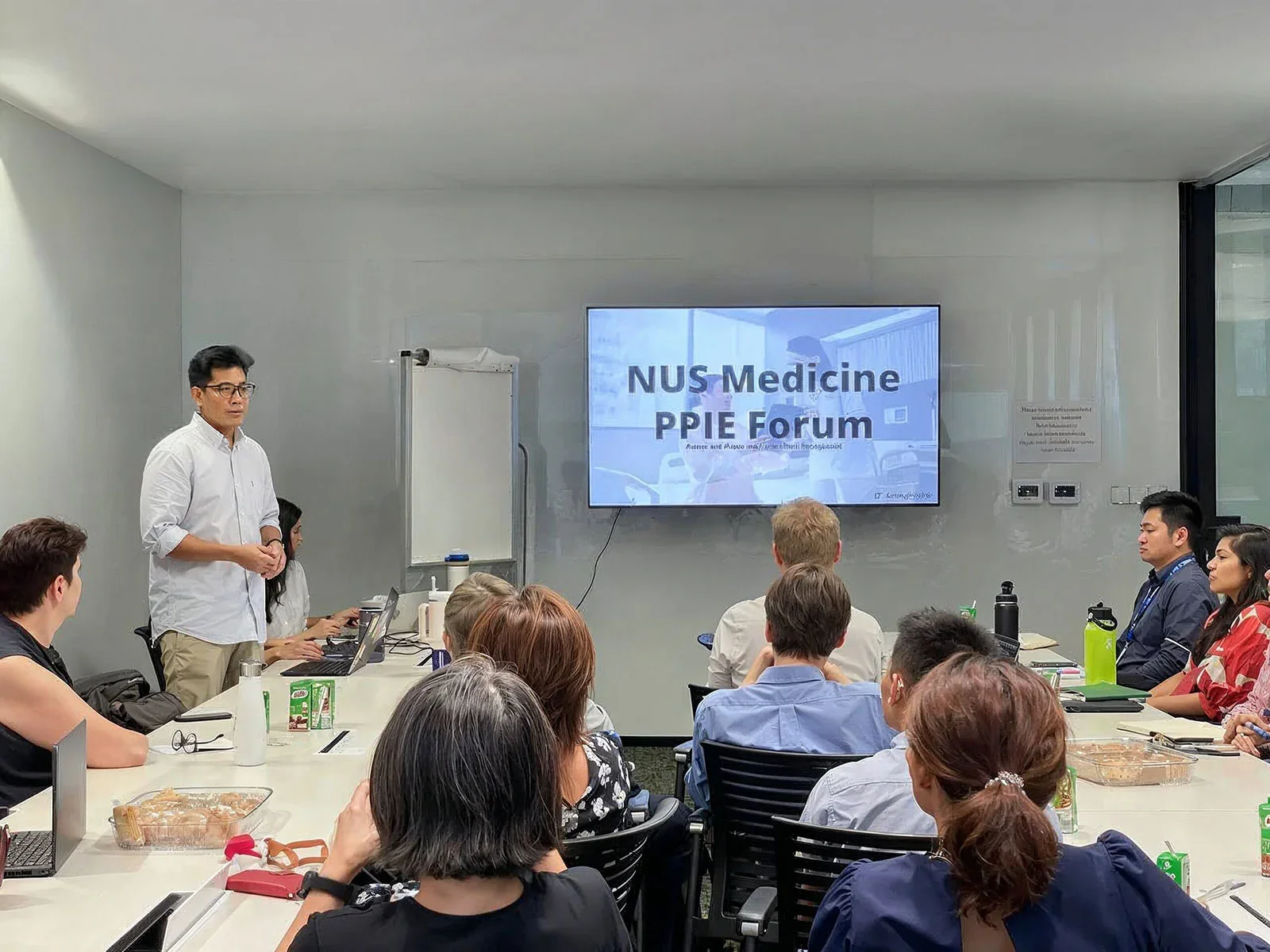
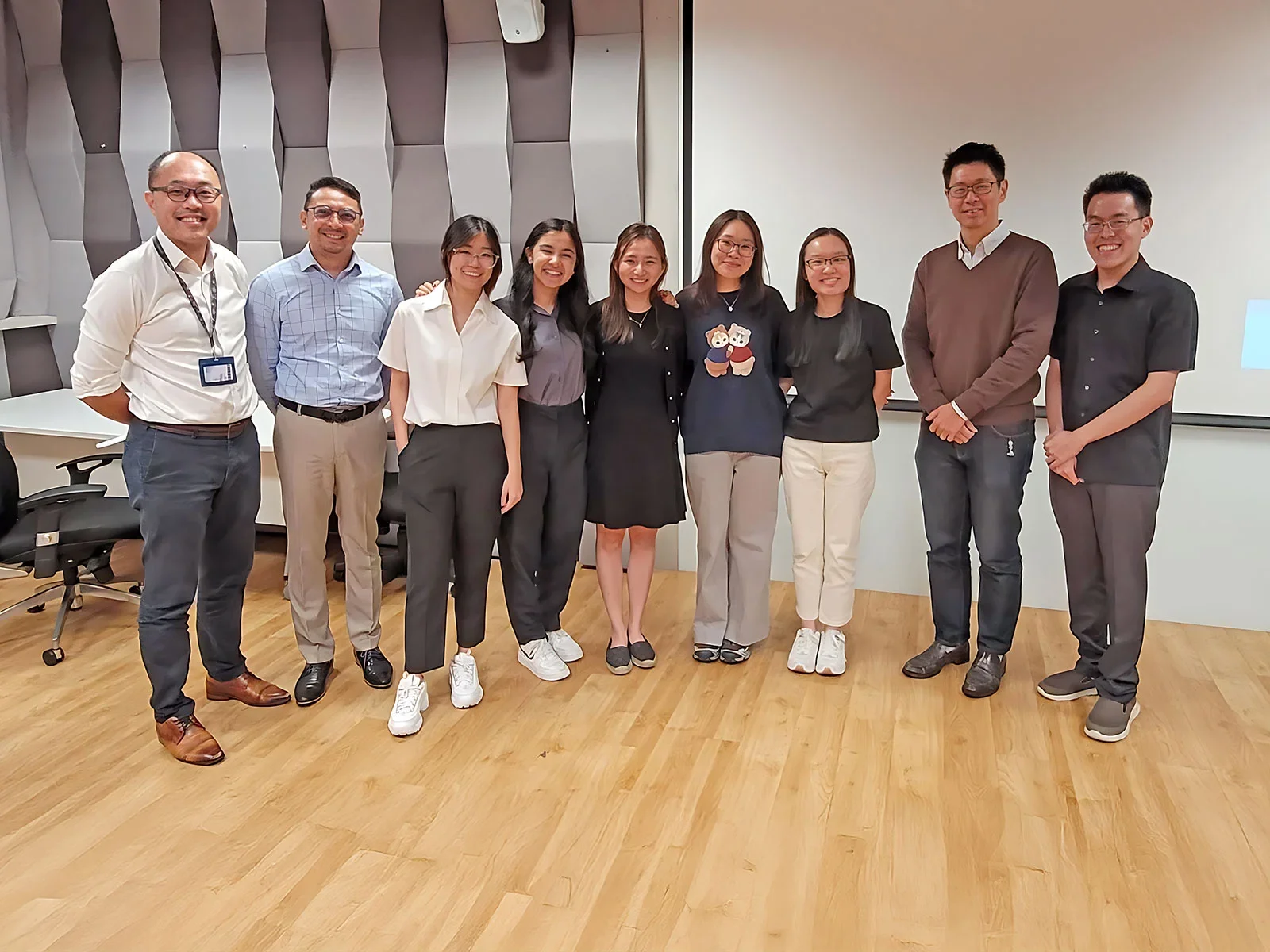
On 17 February 2025, Yong Loo Lin School of Medicine, National University of Singapore (NUS Medicine) held its first forum dedicated to reimagining how health research can meaningfully serve the people it seeks to benefit. Through four compelling presentations, experts from academia and clinical practice conveyed a unifying conviction: patients and the public are not mere participants but vital collaborators whose lived experiences shape research relevance, rigour and ethical integrity.
Professor Lucy Frith of the University of Manchester opened proceedings by charting the evolution of Patient and Public Involvement and Engagement (PPIE) from grassroots advocacy to policy imperative, drawing on case studies from the UK’s National Institute for Health and Care Research (NIHR) and the US Patient-Centered Outcomes Research Institute (PCORI). Her account highlighted a key insight: research that proceeds without stakeholder co-creation risks becoming an academic exercise divorced from real-world needs. By embedding patient and public perspectives at every stage, studies gain democratic accountability, strengthen public trust and yield findings primed for genuine uptake in clinical practice.
Associate Professor Yiyun Shou from Saw Swee Hock School of Public Health, National University of Singapore, then turned the spotlight on recruitment and consent challenges in Asian contexts. Drawing on interviews and field observations, she described how language barriers, time constraints and familial decision-making can deter enrolment, while consent forms ill-suited to local cultures exacerbate confusion. Her recommendations— co–designed consent templates, multilingual peer educators and community ambassadors—offer a clear blueprint for nurturing participant confidence and safeguarding autonomy across the region’s diverse populations.
Building on these themes, Associate Professor Keri McCrickerd and Dr Jumana Hashim from the Centre for Behavioural and Implementation Science Interventions (BISI) demonstrated how co–designed and community–led methods translate principles into practice. From interactive workshops with caregivers to participatory screening campaigns in local neighbourhoods, their evidence synthesis underscored that flexibility, reciprocity and culturally attuned communication form the bedrock of truly meaningful engagement.
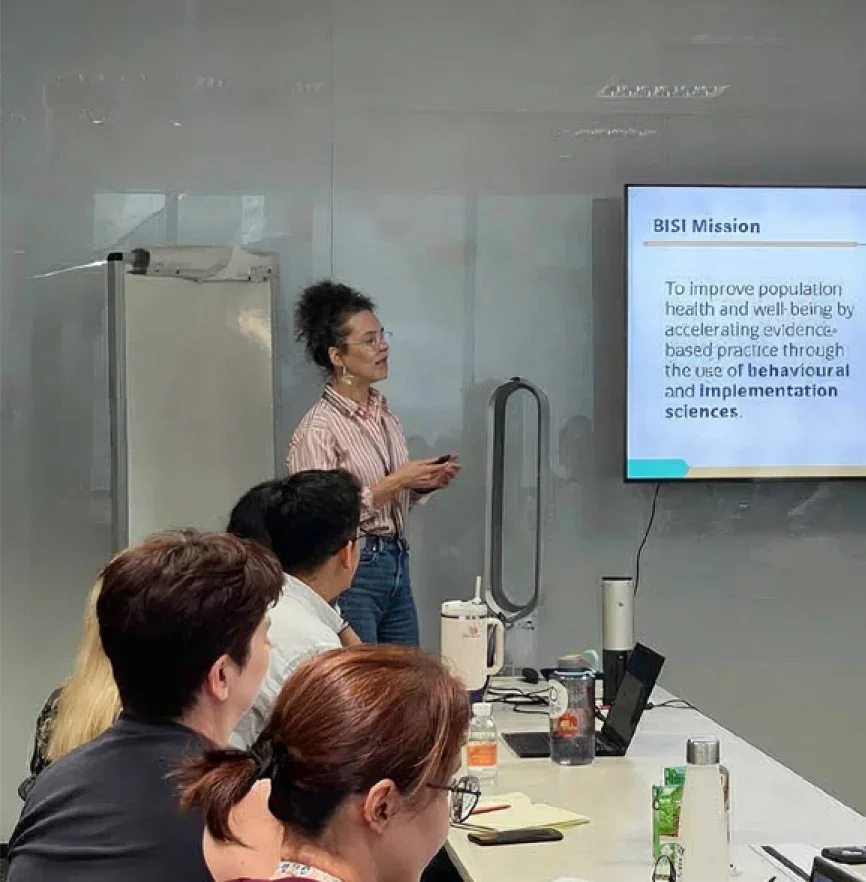
Assistant Professor Keri McCrickerd sharing her insights on participatory approaches in population health research.
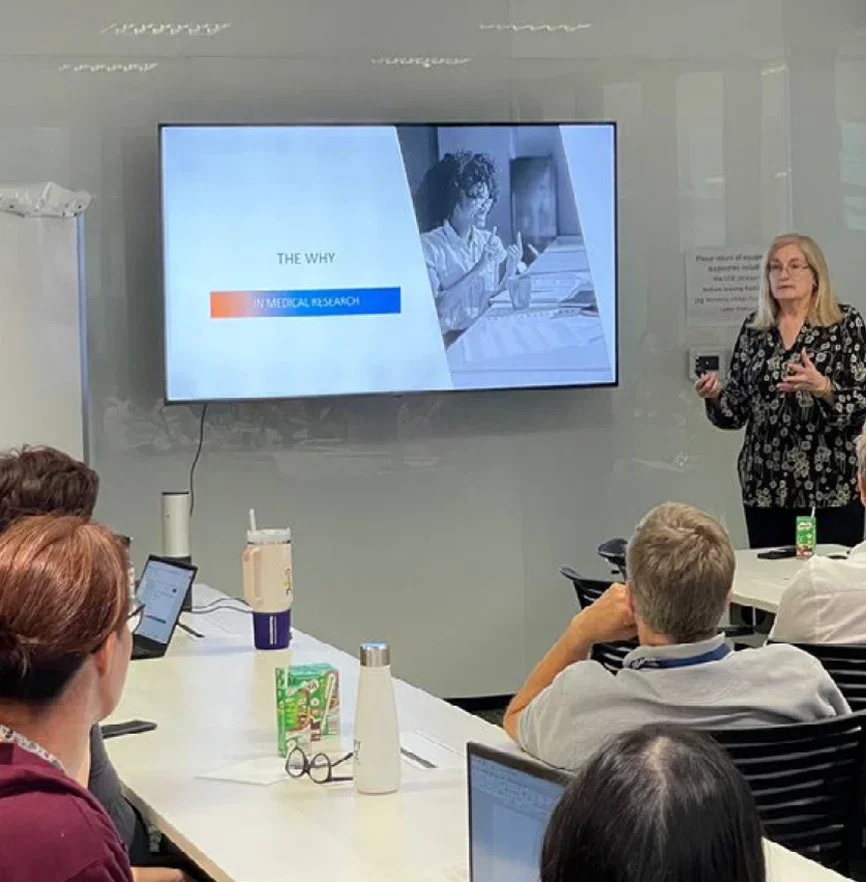
“Understanding PPIE in research”—a talk by Professor Lucy Firth.
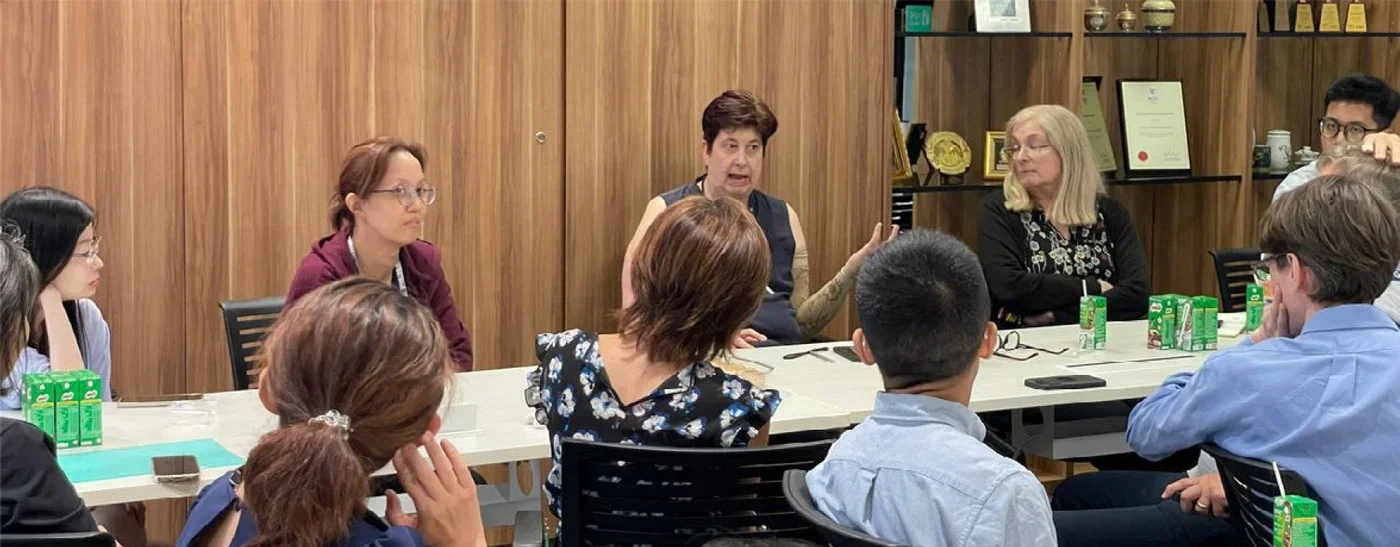
Dr Laurie J. Goldsmith (middle) emphasising PPIE insights from primary care research, spanning local and international perspectives.
Lastly, Dr Laurie Goldsmith, Senior Research Fellow, Division of Family Medicine, NUS Medicine, and Professor José M. Valderas, Director of the Centre for Research on Health Systems Performance, and Head of Department of Family Medicine at the National University Health System offered primary care perspectives on Singapore’s burgeoning PPIE ecosystem. By showcasing how patient experience panels have refined research scopes and realigned priorities towards outcomes that matter most to communities, they signalled significant local advances in infrastructure and funding—affirming Singapore’s commitment to embedding PPIE at the heart of health services research.
As the forum drew to a close, the pathway forward was clear: sustainable, justice-oriented PPIE requires dedicated resources, ongoing capacity building and equitable representation to flourish. For researchers and funders alike, the message resonates: when patients and communities act as co-investigators rather than subjects, health research achieves the relevance, rigour and resonance essential for advancing public health and well-being.
More from this issue

ETHICALLY SPEAKING
Weighing up Ozempic