



Abstract:
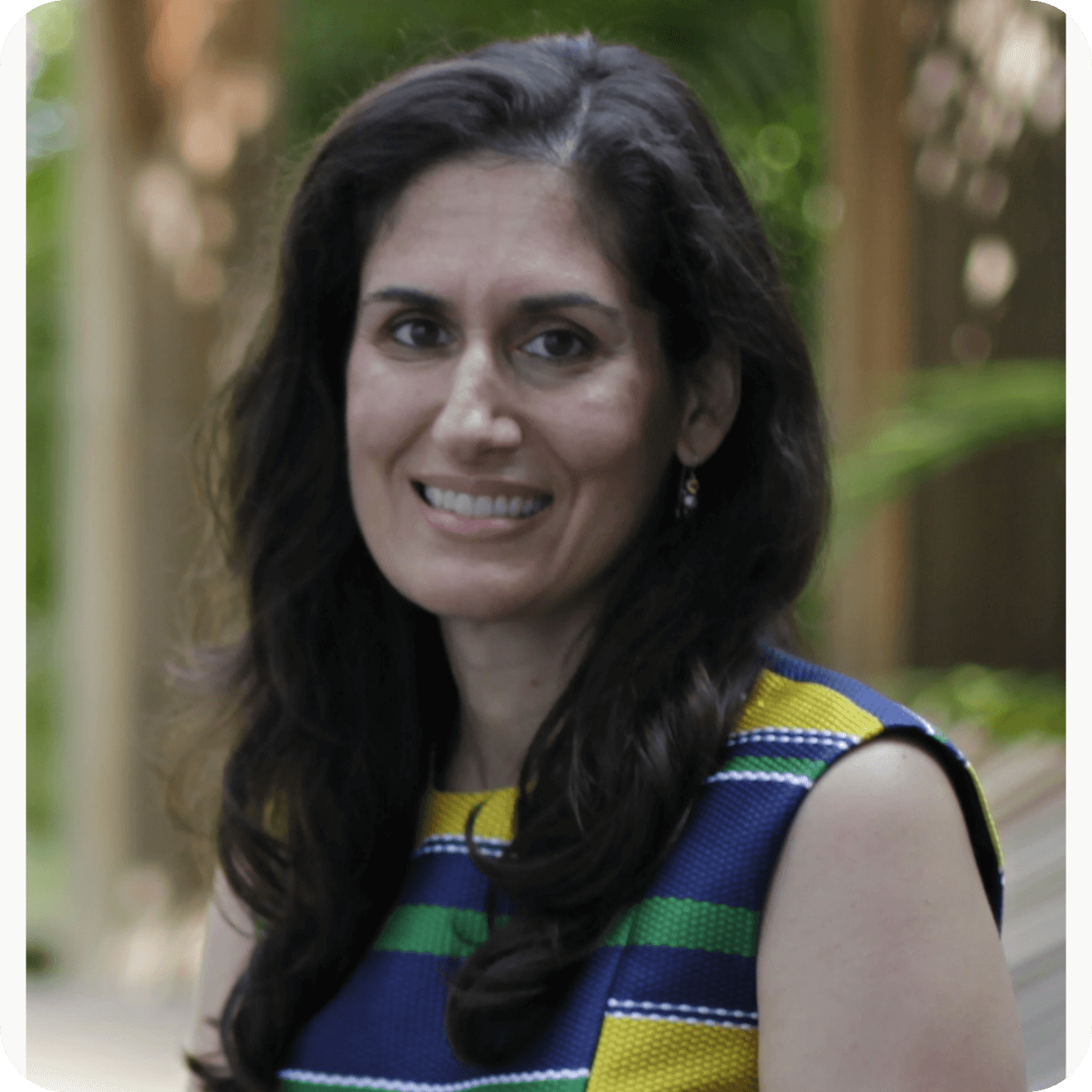
In my previous research, I employed computational methods to investigate the adaptation mechanisms and phage-host interactions within the human gut microbiome. I was motivated by the challenge that healthy microbes often struggle to survive in patients’ gut environments after fecal microbiota transplantation. During my analysis, I found limitations in existing tools for microbial sequence analysis. To address this, my team developed Mapper for sequence alignment and QuickVariants for variant identification. These tools are specifically tailored to microbial data to improve accuracy and efficiency. Moving forward, my lab at SBS and SCELSE aims to develop AI models to explore broader microbial mechanisms, including flexible genetic exchange, regulatory networks, phage defense, and environmental sensing.
Bibliography:
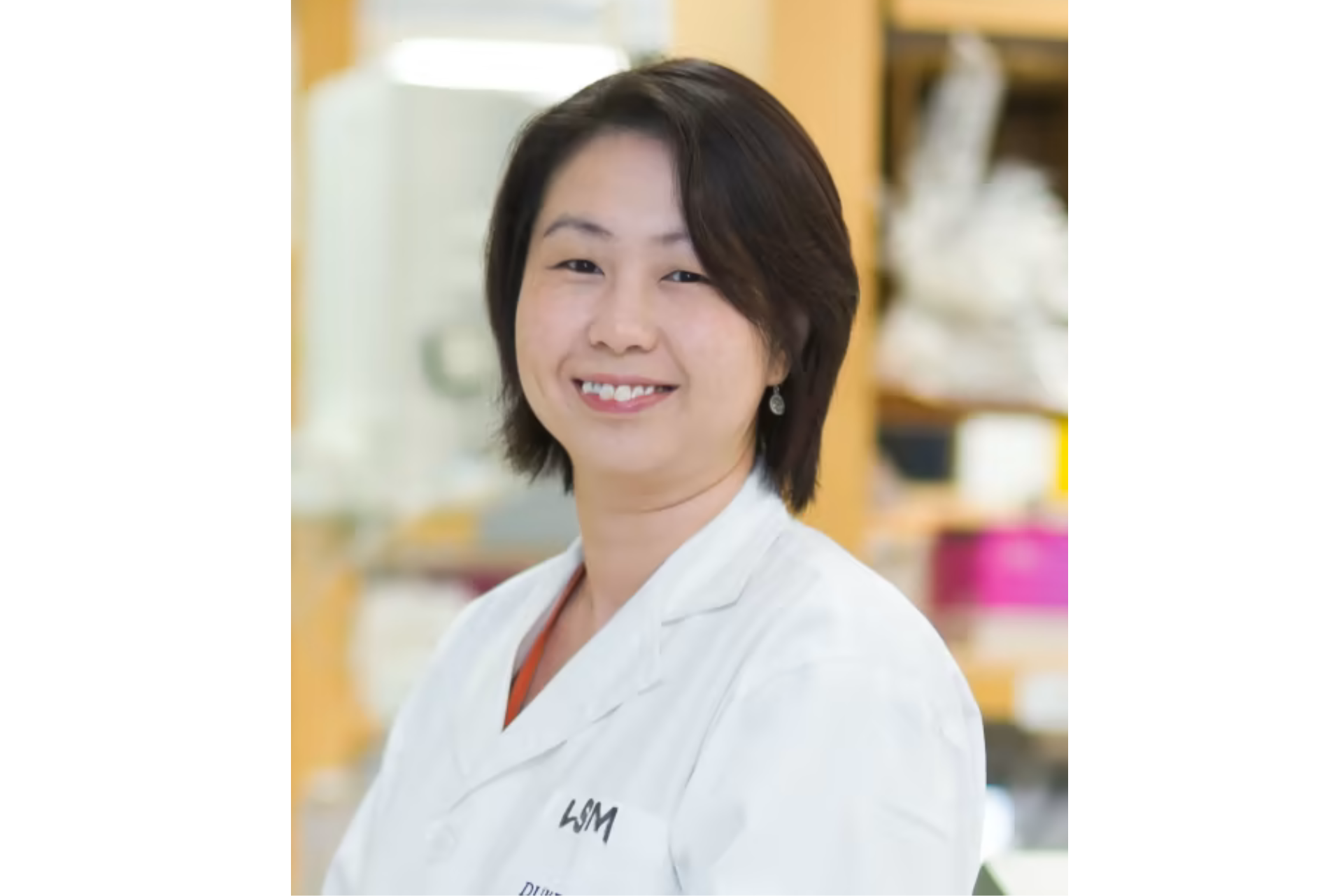
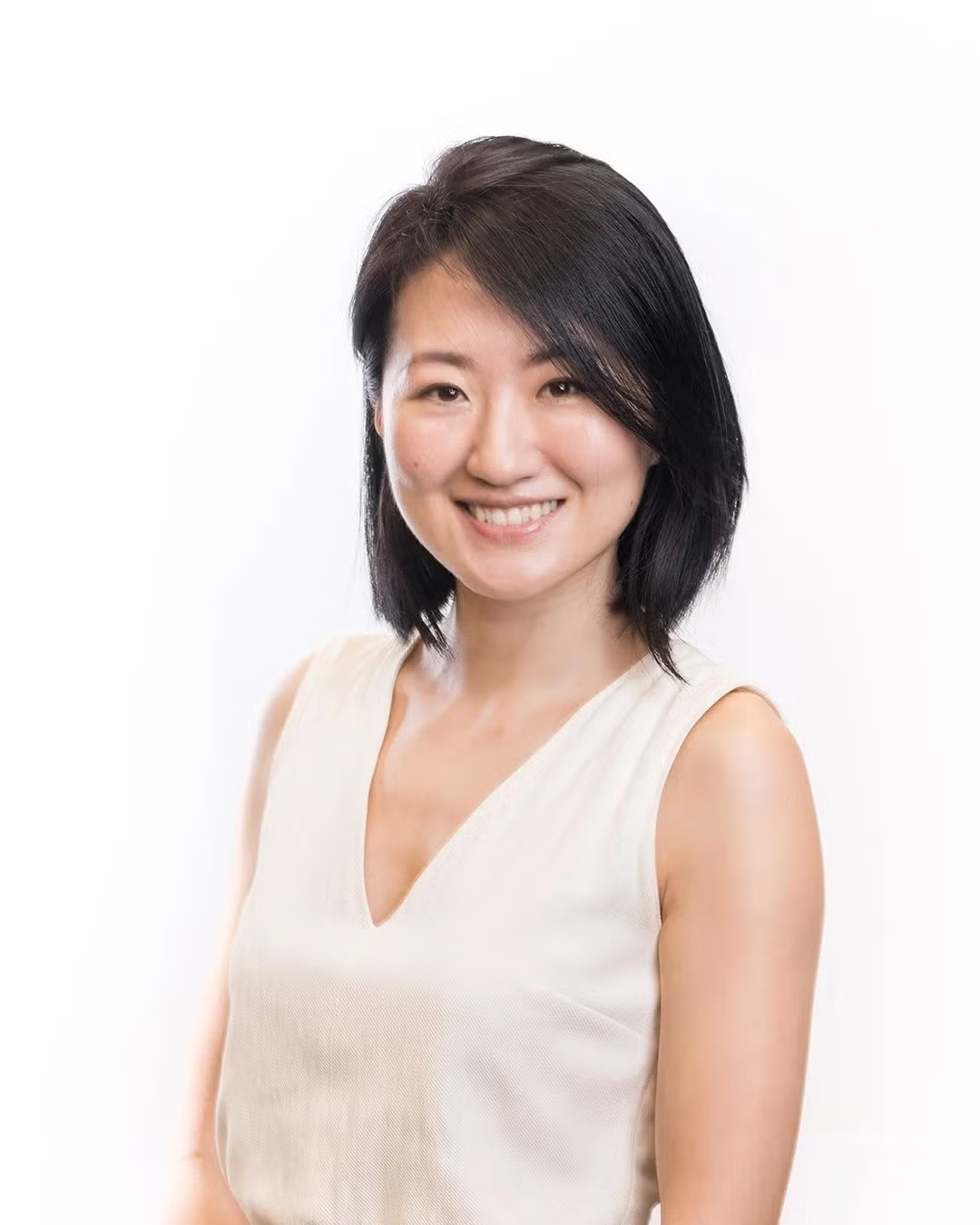
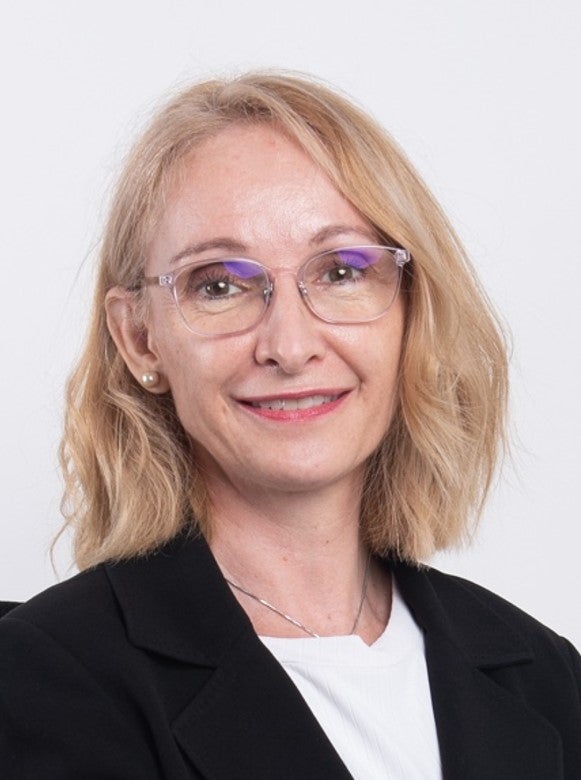
Before joining NTU, Anni was a Research Scientist at the Alm Lab at MIT from 2023-2024, where she previously held a postdoctoral position from 2018 to 2023. Her research during this period focused on identifying bacteria-phage interactions within human gut microbiomes and developing faster, more accurate tools for sequencing alignment and variant identification.
Anni earned her PhD in Environmental Engineering from the University of Hong Kong in 2018. Her doctoral research was centred on identifying high-risk antibiotic resistance genes in environmental microbiomes via bioinformatics into microbial genomes and metagenomes. She completed her Bachelor of Science in Environmental Biology at Nanjing University in 2014. During her undergraduate, she studied antimicrobial resistance mechanisms in yeasts.