



Abstract:
Antibiotic resistance in bacteria has become a serious threat to public health. Therefore, there is an urgent need to develop new classes of antimicrobial agents. Nowadays, natural antimicrobial peptides (AMPs) and their synthetic derivatives are considered as promising alternatives to traditional antibiotics. The broad molecular diversity of AMPs, in terms of sequences and structures, suggests that their activity does not depend on specific features of amino acid sequence or peptide conformation. We therefore selected two common properties of AMPs, (high percentage of hydrophobic and cationic amino acids), to develop a novel approach to synthesize random antimicrobial peptide mixtures (RPMs). We have discovered that RPMs of hydrophobic and cationic α-amino acids, such as phenylalanine and lysine, display strong and broad antimicrobial activity towards Gram-negative, Gram-positive, clinically isolated antibiotic resistant “superbugs”, and several plant pathogenic bacteria. In my talk, I will share with you our efforts to explore the mode of action of RPMs and their potential as bioactive agents for multiple applications. RPMs rapidly killed both Pseudomonas aeruginosa and Staphylococcus aureus efficiently, and disrupted preformed biofilms by both pathogens. Importantly, RPMs were efficacious against both pathogens in mouse models of bacteremia and acute pneumonia. Interestingly, we demodtrated that S. aureus was not able to develop resistance towards RPMs comapred to individual sequnce antimicrobial peptides demonstrating the vadility of combination therapy also in the area of antimicrobial peptides. Our results demonstrate illustrate the effectiveness of RPMs and their great potential as novel antimicrobial agents.
Bio:
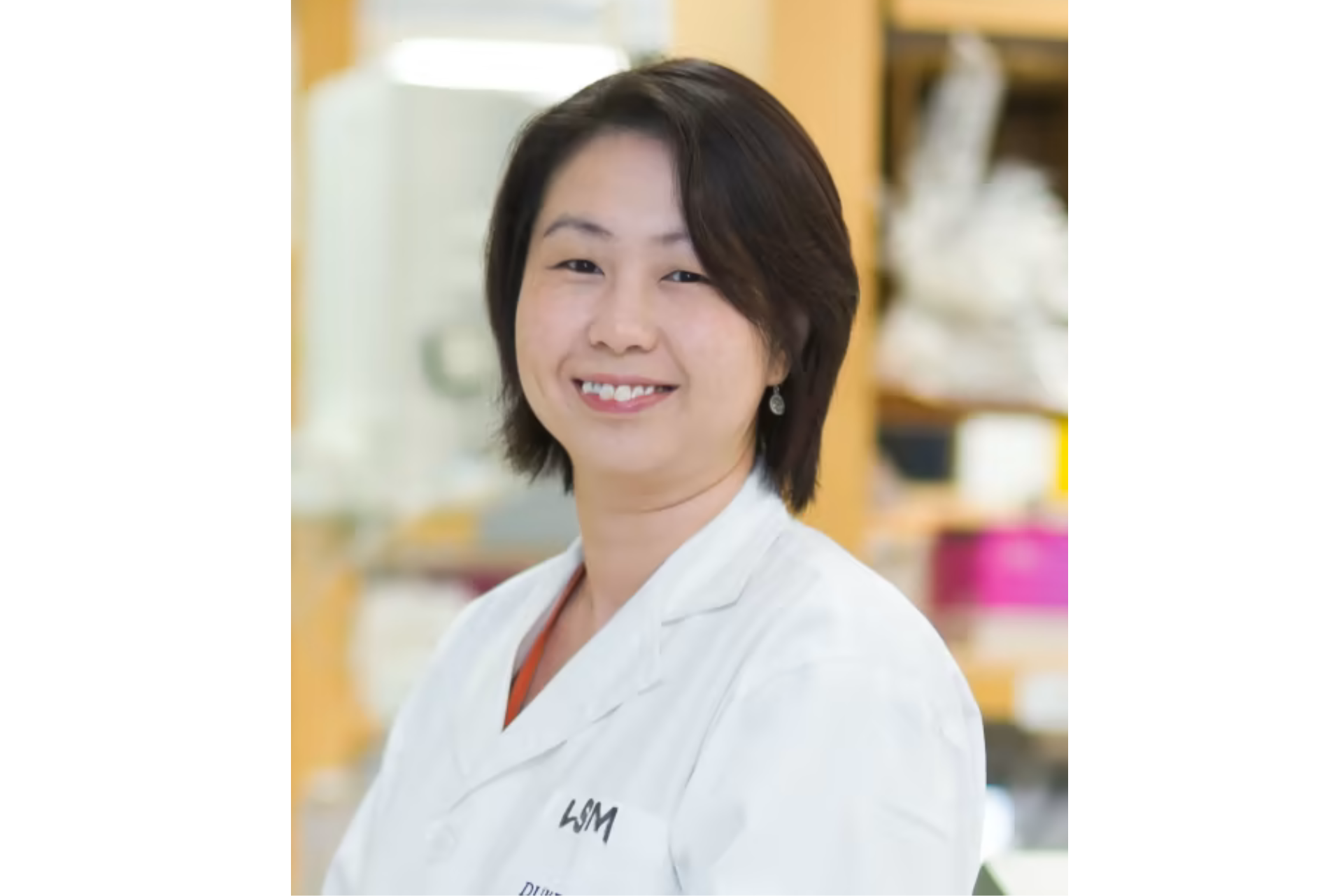
Prof. Zvi Hayouka was born in Jerusalem, Israel in 1979. He performed all his studies at The Hebrew University of Jerusalem, Israel. Zvi obtained his PhD in Chemistry in 2011 (Summa cum laude). In 2012 as a Fulbright scholar, he moved to the chemistry department at the University of Wisconsin-Madiosn to Prof. Samuel Gellman’s lab, where he designed and characterized novel antimicrobial copolymers and peptides. In 2014 he joined the Institute of Biochemistry Food science and Nutrition at the Hebrew University as a faculty member and established his own research lab that focuses on the development of novel antimicrobial agents to tackle pathogenic bacteria (https://biochem-food-nutrition.agri.huji.ac.il/zvihayouka).
My research group combines the fields of organic chemistry, peptide chemistry, food microbiology and biochemistry to design and evaluate novel peptide-based antimicrobial agents for food and clinical applications. Pathogenic infections are an ongoing threat to human health. Furthermore, anti-infective therapeutics are becoming less effective due to the emergence of antimicrobial resistance, which has been caused by the overuse of antibiotics in agriculture and the clinic. One of my major research goals is to develop peptide-based, antimicrobial agents to tackle pathogenic bacteria. My laboratory is currently investigating three unique classes of compounds: antimicrobial random peptide mixtures, bacterial toxin-antitoxin protein-protein interaction inhibitors and quorum-sensing quenchers (to disrupt bacterial cell-to-cell communication). These anti-infective strategies have immense potential as treatments to combat pathogenic bacteria, which will improve human health and food safety. Zvi is a member of several scientific committees and was awarded several prestigious prizes as Levine-Jortner Award from the Israel Chemical Society for excellent PhD students (2008), Dimitris Chorafas Prize for excellent PhD students (2009), The Schlomiuk prize for outstanding PhD thesis, The Hebrew University of Jerusalem (2011), Fulbright Post-doctoral Fellowship (2012), Kaye award for Innovation from the Hebrew University of Jerusalem (2022). Zvi has published 85 peer reviewed publications and 10 patents applications. In the last three years he has established two startup companies in the area of food safety Prevera and Bountica.
Recommended Readings:
- Goldberg et al, Cell-autonomous innate immunity by proteasome-derived defence peptides, Nature, 2025 Mar;639(8056):1032-1041. doi: 10.1038/s41586-025-08615-w.
- Lau et al, Antibacterial efficacy of an ultra-short palmitoylated random peptide mixture in mouse models of infection by carbapenem-resistant Klebsiella pneumoniae, Antimicrob Agents Chemother, 2023 Nov 15;67(11):e0057423. doi: 10.1128/aac.00574-23.
- Maron et al, Uncovering the genetic basis of Staphylococcus aureus resistance to single antimicrobial peptides and their combinations, iScience, 2025 May 14;28(6):112671. doi: 10.1016/j.isci.2025.112671.
- Yehuda et al, The quorum-sensing peptidic inhibitor rescues host immune system eradication: A novel infectivity mechanism, Proc Natl Acad Sci U S A, 2023 Aug 29;120(35):e2301045120. doi: 10.1073/pnas.2301045120.