



Abstract:
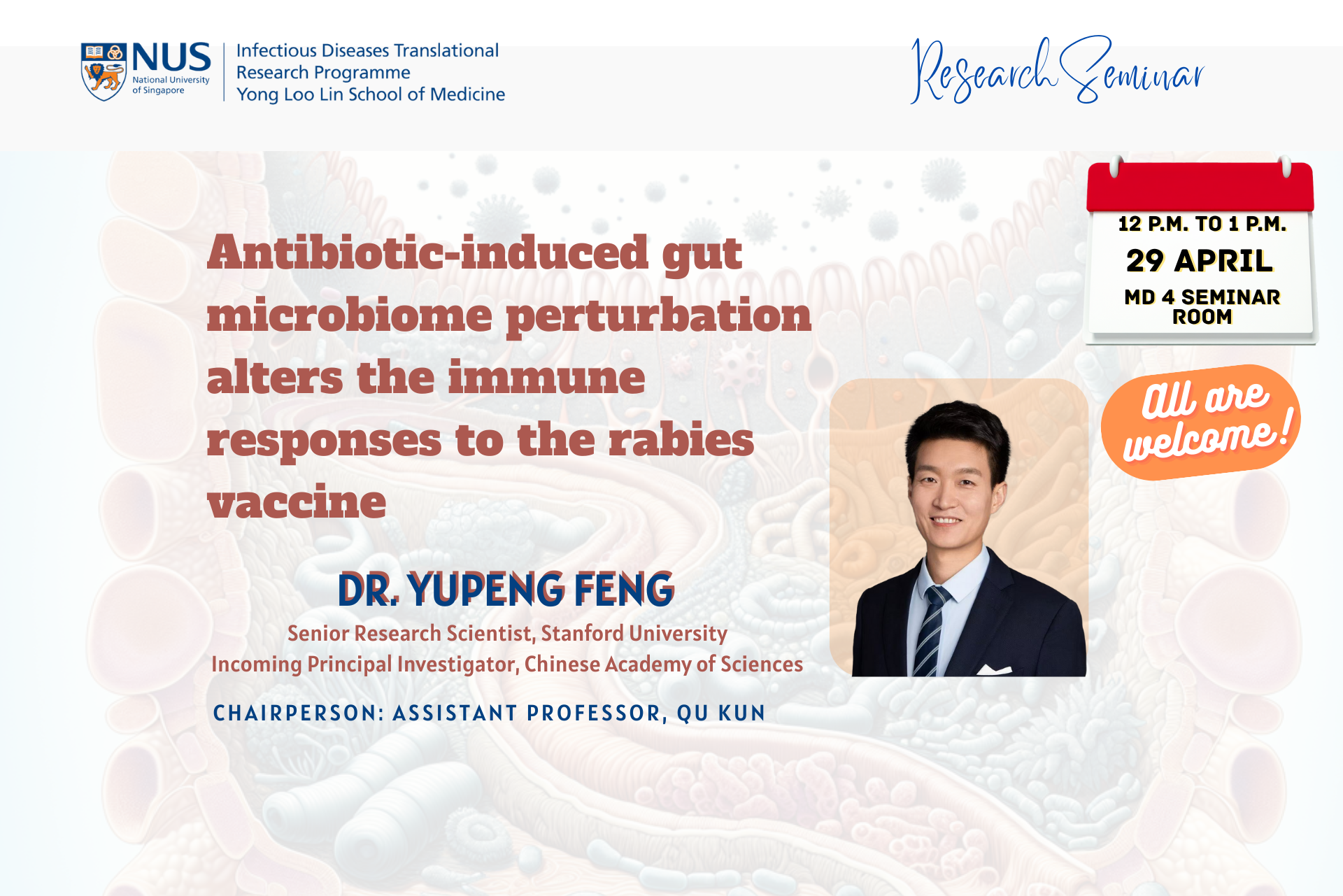
The gut microbiome plays a crucial role in modulating human immunity. Previously, we reported that antibiotic-induced microbiome perturbation affects influenza vaccine responses, depending on pre-existing immunity levels. Here, we employed a systems biology approach to analyze the impact of antibiotic administration on both primary and secondary immune responses to the rabies vaccine in humans. Antibiotic administration reduced the gut bacterial load, with a long-lasting reduction in commensal diversity. This alteration was associated with reduced rabies-specific humoral responses. Multi-omics profiling revealed that antibiotic administration induced (1) an enhanced pro-inflammatory signature early after vaccination, (2) a shift in the balance of vaccine-specific T-helper 1 (Th1) to T-follicular-helper response toward Th1 phenotype, and (3) profound alterations in metabolites, particularly in secondary bile acids in the blood. By integrating multi-omics datasets, we generated a multiscale, multi-response network that revealed key regulatory nodes, including the microbiota, secondary bile acids, and humoral immunity to vaccination.
Bibliography:
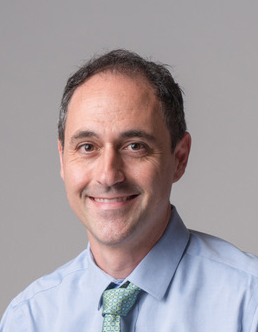
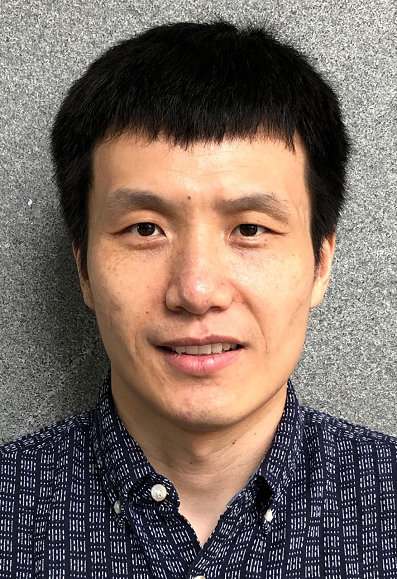
Dr. Yupeng Feng is a Senior Research Scientist at Stanford University, specializing in vaccine immunology, B cell regulation, and antibody durability. He received his Ph.D. in immunology from the Guangzhou Institutes of Biomedicine and Health, Chinese Academy of Sciences, and trained as a postdoctoral fellow in systems vaccinology under Prof. Bali Pulendran at Stanford.
Dr. Feng’s research integrates systems biology, multi-omics approaches, and non-human primate models to dissect the mechanisms that govern long-lived plasma cell (LLPC) formation, broadly neutralizing antibody responses, and immune variability across individuals. His work has revealed critical insights into how gut microbiota, adjuvants, and early immune activation shape vaccine efficacy, with publications in Cell Host & Microbe, Science Translational Medicine, Science Immunology, and invited commentary in Nature Immunology. His research has also contributed to the clinical advancement of two novel vaccines, SKYCovione™ and Covifenz™.
Dr. Feng is transitioning to a Principal Investigator role at the Chinese Academy of Sciences, where he will continue advancing next-generation vaccine design, immune baseline profiling, and precision immunology strategies to support global health and biosecurity.