


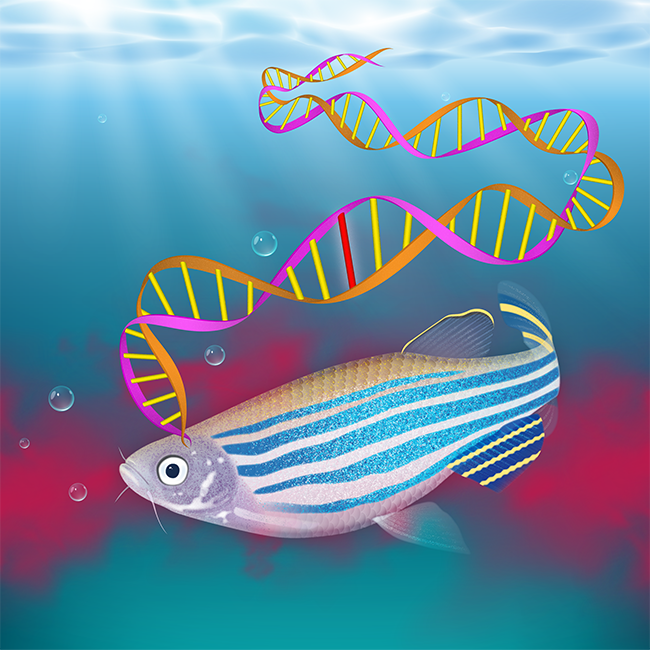
A new study on these small aquatic vertebrates, published in the Journal of Neuroscience, helps us to better understand how chrna3 variants may put some people at higher risk of alcohol dependence. This study has important implications for personalised medicine, an emerging field which uses an individual’s genetic profile to guide treatment. A stronger understanding of the genetic underpinnings of addiction may help doctors decide which patients need more help or drug treatments, said Mathuru. The study contributes to an emerging global effort Genetically Informed Neurobiology of Addiction (GINA) framework, by adding to its empirically tested knowledge base of genetic variants that influence addiction risk. It also proves that the zebrafish model can be a versatile and powerful tool in the evolving toolkit for neurobiological research.
Read more: NUS Research