Publications

Gut microbiota and their influence in brain cancer milieu

Abstract
Microbial communities are not simply remnants of the past but dynamic entities that continuously evolve under the selective pressures of nature, reflecting the intricate and adaptive processes of evolution. The microbiota residing in the various regions of the human body has numerous roles in different physiological processes such as nutrition, metabolism, immune regulation, etc. In the zeal of achieving empirical insights into the ambit of the gut microbiome, the research over the years led to the revelation of reciprocal interaction between the gut
microbiome and the cognitive functioning of the human body. Dysbiosis in the gut microbial composition disturbs the homeostatic cognitive functioning of the human body. This dysbiosis has been associated with various chronic diseases, including brain cancer, such as glioma, glioblastoma, etc. This review explores the mechanistic role of dysbiosis-mediated progression of brain cancers and their subtypes. Moreover, it demonstrates the regulatory role of microbial metabolites produced by the gut microbiota, such as short-chain fatty acids, amino acids, lipids, etc., in the tumour progression. Further, we also provide valuable insights into the microbiota mediating the efficiency of therapeutic regimens, thereby leveraging gut microbiota as potential biomarkers and targets for improved treatment outcomes.

Full article: https://doi.org/10.1186/s12974-025-03434-2

Gut microbiota and their influence in brain cancer milieu Read More »

Formoterol, the Most Effective Bronchodilator, Has No Anti-Inflammatory nor Metabolic Modulatory Effects in Severe Asthma Induced by Aspergillus fumigatus

Abstract

In an increasing number of asthma studies, modulation of pulmonary metabolic reprogramming using therapeutic agents targeting metabolic enzymes promoted bronchodilatory, anti-inflammatory, and antiremodeling effects. Although formoterol is the bronchodilator of choice for asthma management, its anti-inflammatory and metabolic modulatory effects in severe asthma have not been investigated. The present study aimed to explore formoterol’s anti-inflammatory and metabolic modulatory potential in Aspergillus fumigatus (Af)-induced severe asthma model to establish additional benefits in the difficult-to-treat severe asthma subtype. Formoterol was administered via nebulization in an Af-induced severe asthma mouse model. Airway hyperresponsiveness (AHR), airway inflammation, airway remodeling, and metabolic pathways on glycolysis and oxidative phosphorylation in the lungs were assessed. An in-depth analysis of formoterol’s effect on airway smooth muscle metabolism was also performed. Inhaled formoterol significantly inhibited methacholine-induced AHR in Af-induced severe asthma in a dose-dependent manner (p < 0.001). However, it did not reduce airway immune cell counts, inflammation score of hematoxylin and eosin-stained lung sections, airway mucus hypersecretion, lung levels of proinflammatory cytokines and chemokines, and α-smooth muscle actin-positive airway smooth muscle wall thickness. In addition, formoterol did not show any effects on lung single-cell glycolytic and oxidative phosphorylation activities or on the levels of metabolic enzymes in lung tissues and α-smooth muscle actin-positive airway smooth muscle in Af-induced severe asthma. Inhaled formoterol is an entirely potent and effective bronchodilator against Af-induced severe asthma, with no effect on airway inflammation, airway remodeling, and pulmonary metabolism.

Full article: https://pubs.acs.org/doi/10.1021/acsptsci.4c00672

Formoterol, the Most Effective Bronchodilator, Has No Anti-Inflammatory nor Metabolic Modulatory Effects in Severe Asthma Induced by Aspergillus fumigatus Read More »

Gene therapy for age-related macular degeneration: a promising frontier in vision preservation

Abstract

Age-related macular degeneration (AMD) is a leading cause of central vision loss, progressively impairing the retina and affecting millions worldwide. By 2040, global cases of AMD are projected to reach 300 million, posing a significant public health challenge. While early AMD may only cause mild visual impairment, advanced stages, particularly neovascular (wet) and non-neovascular (dry) AMD, can lead to severe vision loss or legal blindness, substantially affecting daily life. The introduction of anti-angiogenic therapies has revolutionized wet AMD treatment, offering a high probability of preserving or improving vision. However, these therapies do not halt AMD progression, and no definitive treatments exist for dry AMD. The limitations of current therapies, such as frequent injections and treatment resistance, underscore the urgent need for novel strategies. Gene therapy, which has shown success in treating other hereditary retinal diseases, offers a promising long-term solution for AMD by targeting retinal cells to produce therapeutic proteins. This review explores the potential of gene therapy for AMD, examining recent clinical trials and future treatment directions.

Full article: https://biosignaling.biomedcentral.com/articles/10.1186/s12964-025-02246-4

Gene therapy for age-related macular degeneration: a promising frontier in vision preservation Read More »

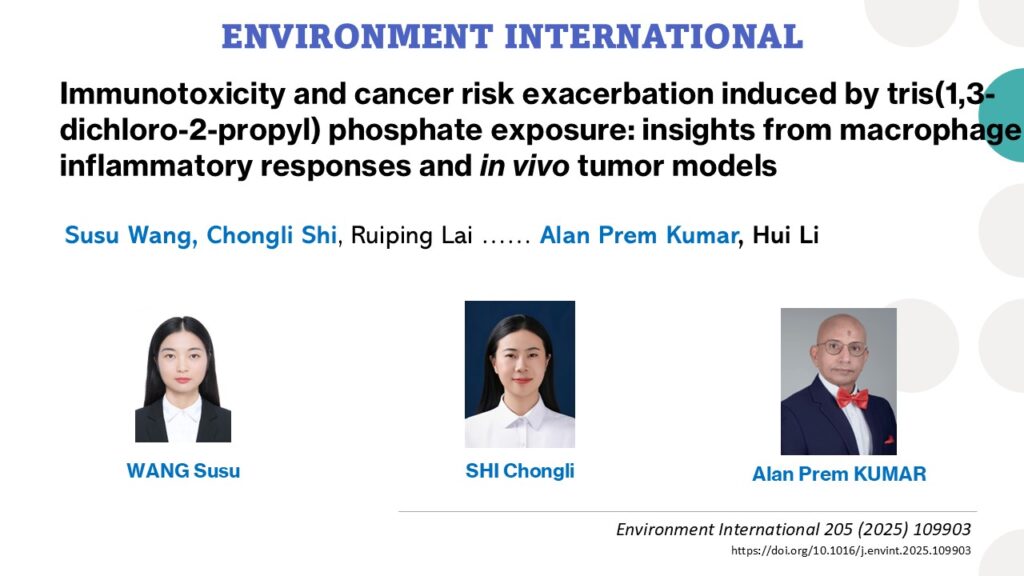
Endocrine disruption of Triphenyl Phosphate via VIT-2 in Caenorhabditis elegans: A comparative analysis with estradiol and 4-hydroxytamoxifen

Abstract

Triphenyl phosphate (TPHP) is widely used as a flame retardant and plasticizer in consumer products and is frequently detected in the environment. TPHP competitively binds to estrogen receptors, exhibiting both estrogenic and anti-estrogenic effects, leading to ongoing debate about its role. This study demonstrates that TPHP shows a higher affinity for the estrogen receptor NHR-14 in Caenorhabditis elegans (C. elegans) compared to the typical estrogen estradiol (E2) and the estrogen antagonist 4-hydroxytamoxifen (4-HT). The study also examines the production, distribution, and transport of the estrogen biomarker Vitellogenin family member 2 (VIT-2) following exposure to TPHP, E2, and 4-HT. Environmentally-relevant concentrations of TPHP significantly increased VIT-2 transcription and protein expression levels in C. elegans during early pregnancy, similar to the effects observed with E2. However, during peak pregnancy, TPHP exposure led to abnormal accumulation of VIT-2, primarily due to an increase in the Gibbs Free Energy of the VIT-2_RME-2 complex, which reduced their affinity and subsequently impaired the normal transport of VIT-2. These findings provide novel insights into the toxic mechanisms of TPHP in oviparous animals, highlighting its broader environmental impacts and emphasizing the urgency for further research and regulatory actions to mitigate its risks.

Full Article: https://doi.org/10.1016/j.jhazmat.2025.138546

“Our research study presents compelling molecular evidence that Triphenyl Phosphate (TPHP), a widely used organophosphate flame retardant, exhibits a higher binding affinity for the estrogen receptor NHR-14 in C. elegans than endogenous estradiol or 4-hydroxytamoxifen. TPHP-induced endocrine disruption significantly impairs vitellogenin (VIT-2) gene regulation and protein trafficking, leading to adverse effects on growth, reproduction, and embryonic development. Our findings therefore underscore the toxicological risks posed by TPHP and reinforce the need for more stringent environmental and regulatory measures for endocrine-disrupting chemicals”

Endocrine disruption of Triphenyl Phosphate via VIT-2 in Caenorhabditis elegans: A comparative analysis with estradiol and 4-hydroxytamoxifen Read More »

Calcaratarin D, a labdane diterpenoid, attenuates bleomycin-induced pulmonary fibrosis by blocking Wnt/β-catenin signaling pathway


Abstract

Idiopathic pulmonary fibrosis (IPF) is one of the most common interstitial lung diseases with a high mortality rate. Calcaratarin D (CalD), a labdane diterpenoid, has been shown to possess anti-inflammatory properties. The present study evaluated the therapeutic potential of CalD in pulmonary fibrosis. A single dose of bleomycin (BLM, 2.5 mg/kg) was instilled intratracheally in mice for up to 21 days to develop lung fibrosis. Oral CalD (50 mg/kg) reduced BLM-induced inflammatory cell infiltration, especially pro-fibrotic Arg1-expressing interstitial macrophages in the bronchoalveolar lavage fluid. During the late fibrotic phase, CalD decreased BLMinduced mortality and body weight loss. In addition, CalD ameliorated lung histopathology, reduced collagen
deposition and mucus hypersecretion, and improved lung functions in BLM-exposed mice. Furthermore, CalD modulated the levels of pro-inflammatory cytokines, chemokines, and growth factors in BAL fluid and lung tissues. In mouse lungs, BLM selectively upregulated Wnt10A level and promoted β-catenin nuclear translocation. CalD not only blocked Wnt10A/β-catenin signaling pathway but also reduced pro-fibrotic markers such as collagens, α-SMA and FHL2. In normal human lung fibroblasts, CalD inhibited TGF-β1-stimulated pro-fibrotic markers and Wnt/β-catenin signaling pathway by reducing Wnt10A production, upregulating endogenous Wnt antagonist DKK1 level, dephosphorylating Wnt ligand co-receptor LRP6, and preventing β-catenin and YAP/TAZ nuclear translocation. The antifibrotic action of CalD was shown to be dependent on its α,β-unsaturated γ-butyrolactone structure that is essential for CalD to form covalent interaction with cellular protein targets. Our results imply that CalD could be a novel antifibrotic agent for IPF, acting through blockade of the Wnt/β-catenin signaling pathway.


Full article: https://doi.org/10.1016/j.phrs.2025.107756


Calcaratarin D, a labdane diterpenoid, attenuates bleomycin-induced pulmonary fibrosis by blocking Wnt/β-catenin signaling pathway Read More »

Age-associated reduction in ER-Mitochondrial contacts impairs mitochondrial lipid metabolism and autophagosome formation in the heart

ABSTRACT

The accumulation of dysfunctional giant mitochondria is a hallmark of aged cardiomyocytes. This study investigated the core mechanism underlying this phenomenon, focusing on the disruption of mitochondrial lipid metabolism and its effects on mitochondrial dynamics and autophagy, using both naturally aging mouse models and etoposide-induced cellular senescence models. In aged cardiomyocytes, a reduction in endoplasmic reticulum-mitochondrial (ER-Mito) contacts impairs lipid transport and leads to insufficient synthesis of mitochondrial phosphatidylethanolamine (PE). A deficiency in phosphatidylserine decarboxylase (PISD) further hinders the conversion of phosphatidylserine to PE within mitochondria, exacerbating the deficit of PE production.
This PE shortage disrupts autophagosomal membrane formation, leading to impaired autophagic flux and the accumulation of damaged mitochondria. Modulating LACTB expression to enhance PISD activity and PE production helps maintain mitochondrial homeostasis and the integrity of aging cardiomyocytes. These findings highlight the disruption of mitochondrial lipid metabolism
as a central mechanism driving the accumulation of dysfunctional giant mitochondria in aged cardiomyocytes and suggest that inhibiting LACTB expression could serve as a potential therapeutic strategy for mitigating cardiac aging and preserving mitochondrial function.

Cell Death & Differentiation; https://doi.org/10.1038/s41418-025-01511-w


Age-associated reduction in ER-Mitochondrial contacts impairs mitochondrial lipid metabolism and autophagosome formation in the heart Read More »

A combination of alveolar type 2–specific p38a activation with a high-fat diet increases inflammatory markers in mouse lungs


Abstract

Chronic respiratory diseases such as asthma and chronic obstructive pulmonary disease afflict millions of individuals globally and are significant sources of disease mortality. While the molecular mechanisms underlying such diseases are unclear, environmental and social factors, such as cigarette smoke and obesity, increase the risk of disease development. Yet, not all smokers or obese individuals will develop chronic respiratory diseases. The mitogen-activated protein kinase p38α is abnormally active in such maladies, but its contribution, if any, to disease etiology is unknown. To assess whether p38α activation per se in the lung could impose disease symptoms, we generated a transgenic mouse model allowing controllable expression of an intrinsically active variant, p38αD176A+F327S, specifically in lung alveolar type 2 pneumocytes. Sustained expression of p38αD176A+F327S did not appear to induce obvious pathological outcomes or to exacerbate inflammatory outcomes in mice challenged with common respiratory disease triggers. However, mice expressing p38αD176A+F327S in alveolar type 2 cells and fed with a high-fat diet exhibited increased numbers of airway eosinophils and lymphocytes, upregulated levels of proinflammatory cytokines and chemokines including interleukin-1β and eotaxin, as well as a reduction in levels of leptin and adiponectin within the lung. Neither high-fat diet nor p38αD176A+F327S alone induced such outcomes. Perhaps in obese individuals with associated respiratory diseases, elevated p38α activity which happens to occur is the factor that promotes their development.


Full article: https://doi.org/10.1016/j.jbc.2025.108425


A combination of alveolar type 2–specific p38a activation with a high-fat diet increases inflammatory markers in mouse lungs Read More »

Fluid-based biomarkers for neurodegenerative diseases

ABSTRACT

Neurodegenerative diseases, such as Alzheimer’s Disease (AD), Multiple Sclerosis (MS), Parkinson’s Disease (PD), and Amyotrophic Lateral Sclerosis (ALS) are increasingly prevalent as global populations age. Fluid biomarkers, derived from cerebrospinal fluid (CSF), blood, saliva, urine, and exosomes, offer a promising solution for early diagnosis, prognosis, and disease monitoring. These biomarkers can reflect critical pathological processes like amyloid-beta (Aβ) deposition, tau protein hyperphosphorylation, α-syn misfolding, TDP-43 mislocalization and aggregation, and neuronal damage, enabling detection long before clinical symptoms emerge. Recent advances in blood-based biomarkers, particularly plasma Aβ, phosphorylated tau, and TDP-43, have shown diagnostic accuracy equivalent to CSF biomarkers, offering more accessible testing options. This review discusses the current challenges in fluid biomarker research, including variability, standardization, and sensitivity issues, and explores how combining multiple biomarkers with clinical symptoms improves diagnostic reliability. Ethical considerations, future directions involving extracellular vehicles (EVs), and the integration of artificial intelligence (AI) are also highlighted. Continued research efforts will be key to overcoming these obstacles, enabling fluid biomarkers to become crucial tools in personalized medicine for neurodegenerative diseases.

Fluid-based biomarkers for neurodegenerative diseases Read More »

Privileged natural product compound classes for anti-inflammatory drug development


Abstract

Privileged compound classes of anti-inflammatory natural products are those where there are many reported members that possess anti-inflammatory properties. The identification of these classes is of particular relevance to drug discovery, as they could serve as valuable starting points in developing effective and safe anti-inflammatory agents. The privileged compound classes of natural products include the polyphenols, coumarins, labdane diterpenoids, sesquiterpene lactones, isoquinoline and indole alkaloids, each offering a variety of molecular scaffolds and functional groups that enable diverse interactions with biological targets. From a medicinal chemistry point of view, natural products are both a boon and a bane. The multi-targeting nature of natural products is a boon in the treatment of multi-factorial diseases such as inflammation, but promiscuity, poor potency and pharmacokinetic properties are significant hurdles that must be addressed to ensure these compounds can be effectively used as therapeutics. In addition, there are continued controversies regarding the efficacies of some of these natural products that will continue to polarise their use. In this review, examples of natural products of six privileged compound classes will be discussed for their potential use and possible further development as anti-inflammatory drugs.


Full article: https://doi.org/10.1039/d4np00066h


Privileged natural product compound classes for anti-inflammatory drug development Read More »

Histone lysine crotonylation accelerates ACSL4-mediated ferroptosis of keratinocytes via modulating autophagy in diabetic wound healing

ABSTRACT

Dysfunction of keratinocytes affects diabetic wound healing, but underlying mechanisms have not been understood. This study examines crotonylation’s role in ferroptosis and autophagy in keratinocytes, particularly regarding ACSL4, using STZ-induced diabetic rats and high glucose-exposed keratinocytes to assess these processes. The ACSL4 knockdown was achieved using adenovirus in wounds to examine the impact of ferroptosis modulation on healing diabetic wounds. MB-3 was utilized to block the H3K27 crotonylation (H3K27cr) in order to clarify the regulatory function of crotonylation in both autophagy and ferroptosis. In STZ-induced diabetic skin and high glucose-exposed keratinocytes, ferroptosis mediated by ACSL4 and suppression of autophagic flux were demonstrated. Moreover, the downregulation of ACSL4 triggered ferroptosis in adjacent wounds of diabetic rats and improved wound healing. The degradation of ACSL4 may be observed via the autophagy-lysosome pathway in keratinocytes. Downregulation of SQSTM1 in diabetic keratinocytes leads to autophagy inhibition and modulates the protein level of ACSL4. Mechanistically, total crotonylation levels and H3K27cr were remarkably elevated in the skin and keratinocytes of diabetic rats; blocking high glucose-induced H3K27cr with MB-3 can enhance SQSTM1 transcription and expression while promoting autophagy and reducing ACSL4- induced ferroptosis in keratinocytes. Therefore, H3K27cr influences autophagy by adjusting SQSTM1 to facilitate ACSL4-triggered ferroptosis in diabetic keratinocytes. This study clarifies the relationships between acylation modifications, autophagy, and ferroptosis, while also offering mechanistic insights and potential therapeutic targets for issues associated with diabetic wound healing.

Histone lysine crotonylation accelerates ACSL4-mediated ferroptosis of keratinocytes via modulating autophagy in diabetic wound healing Read More »

Scroll to Top