
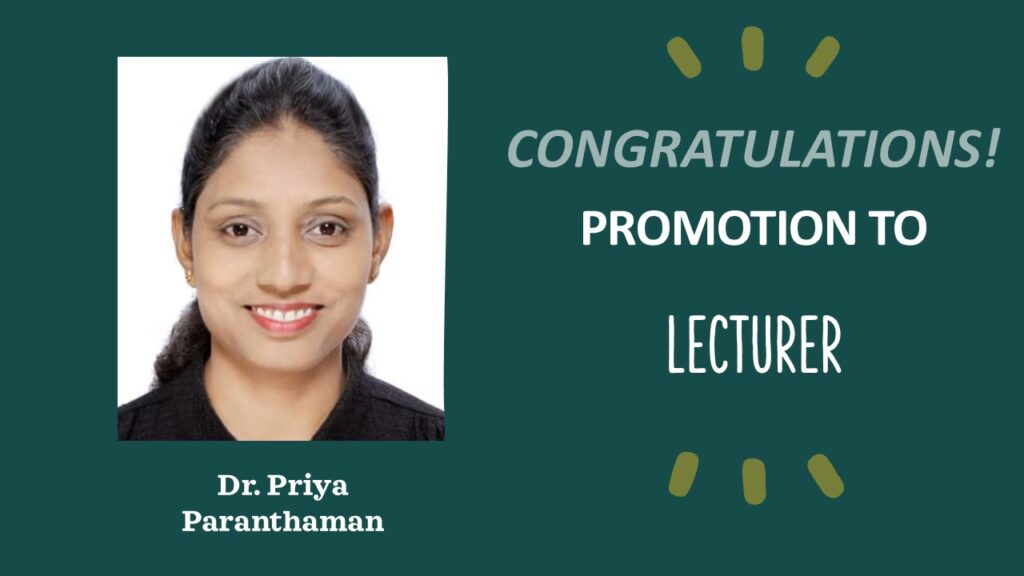
Promotion to Lecturer: Dr. Priya Paranthaman
Congratulations to Dr. Priya Paranthaman on her promotion to Lecturer (Department of Pharmacology)
Promotion to Lecturer: Dr. Priya Paranthaman Read More »
Congratulations to Dr. Priya Paranthaman on her promotion to Lecturer (Department of Pharmacology)
Promotion to Lecturer: Dr. Priya Paranthaman Read More »
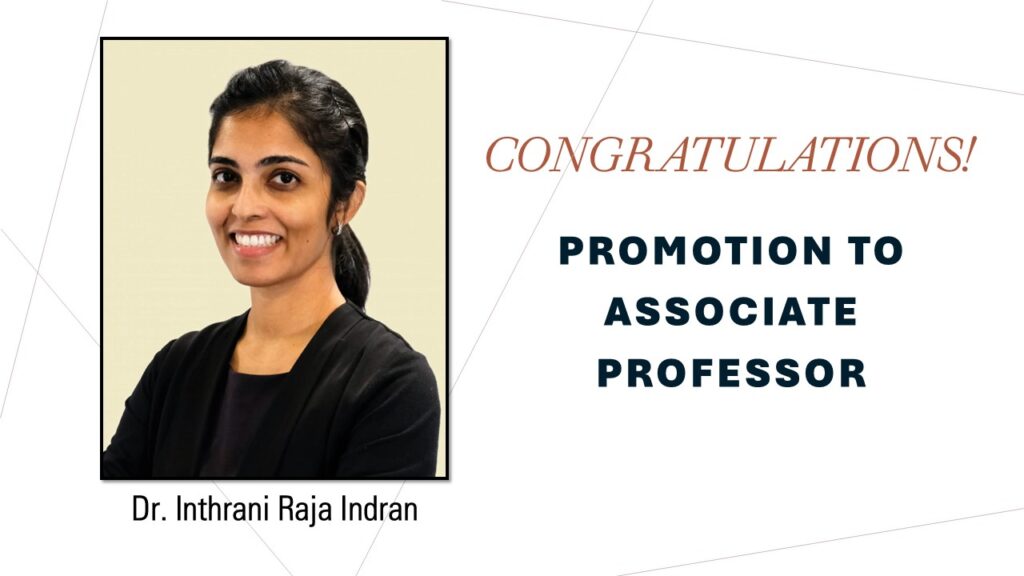
The Department of Pharmacology congratulates Dr. Inthrani Raja Indran on her well-deserved promotion to Associate Professor, in recognition of her outstanding dedication and leadership in medical education.
Dr Inthrani has played a transformational role in enhancing student learning and mentorship since she joined NUS Medicine and her ongoing work will ensure sustainable growth of a student‑centred learning ecosystem at NUS Medicine.
Promotion to Associate Professor: Dr. Inthrani Raja INDRAN Read More »
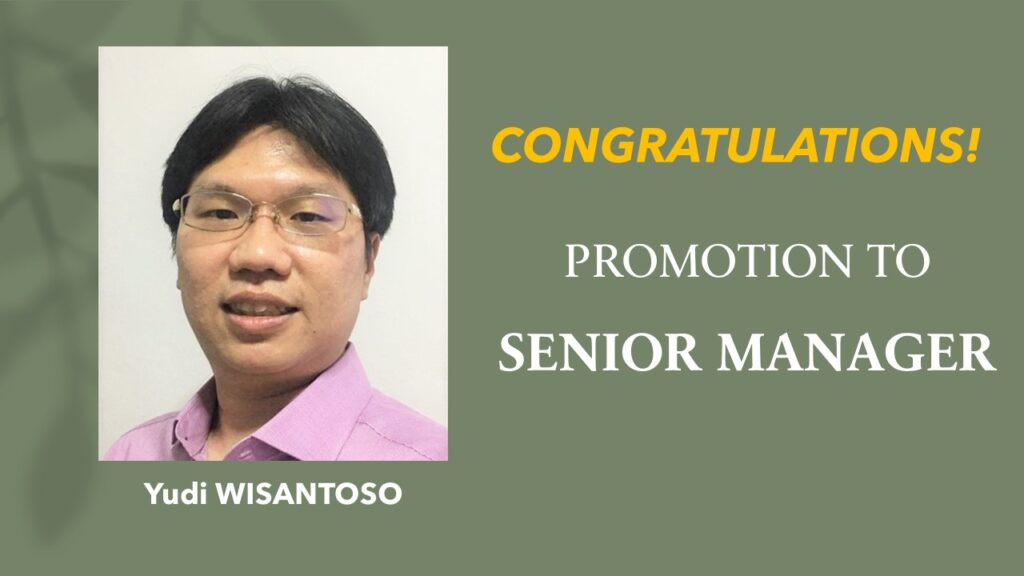
Department of Pharmacology congratulates Mr. Yudi WISANTOSO on his promotion to Senior Manager.
Promotion to Senior Manager: Yudi WISANTOSO Read More »
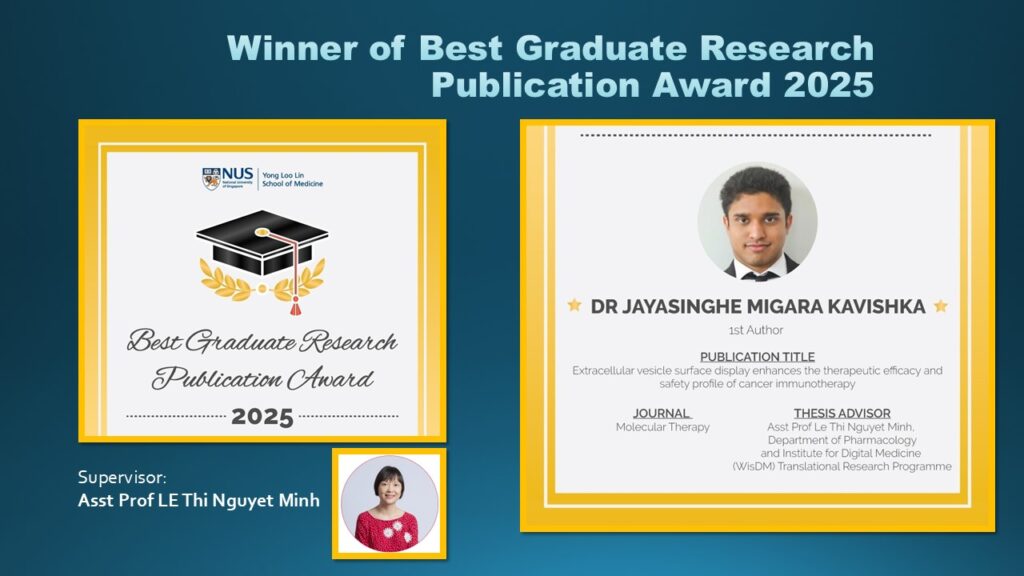
Congratulation to Dr. Jayasinghe Migara KAVISHKA for winning the Best Graduation Research Publication Award 2025!
Publication Title: Extracellular vesicle surface display enhances the therapeutic efficacy and safety profile of cancer immunotherapy
Journal: Molecular Therapy
Thesis Advisor: Asst Prof LE Thi Nguyet Minh
Winner of Best Graduate Research Publication Award 2025: Dr Jayasinghe Migara KAVISHKA Read More »
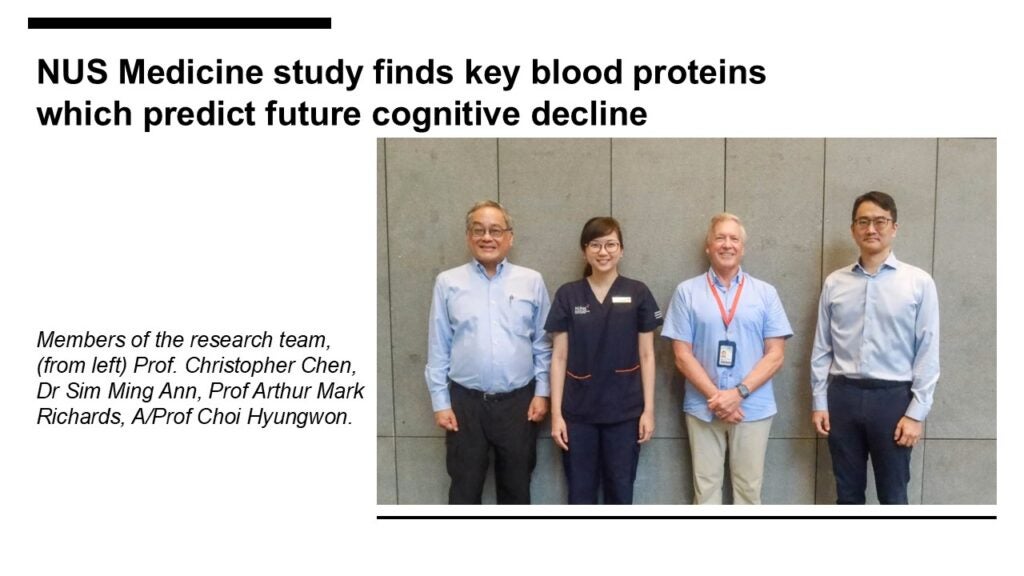

In a study that holds significance for individuals with cerebrovascular disease, scientists from the Yong Loo Lin School of Medicine, National University of Singapore (NUS Medicine), have found proteins in the blood that predict future cognitive decline and dementia.
Led by Professor Christopher Chen, Deputy Chair of the Healthy Longevity Translational Research Programme (TRP) at NUS Medicine, this first-of-its-kind study in Singapore analysed more than 1,000 proteins in the blood of a local patient cohort. The study was conducted on 528 patients from memory clinics at the National University Hospital (NUH) and St Luke’s Hospital in Singapore.
Professor Arthur Mark Richards, co-senior author of the paper published in Alzheimer’s and Dementia, said, “One of our findings was the characterisation of a blood protein signature for future cognitive decline. Using advanced proteomic technologies, we profiled over a thousand blood proteins tied to neurodegeneration, inflammation, and vascular dysfunction, which are key contributors to dementia.” Prof Richards is from the Cardiovascular-Metabolic Diseases TRP at NUS Medicine.
The team found that people with dysregulated levels of these proteins were more likely to develop future dementia and cognitive deterioration, even after accounting for age and other health conditions. These proteins are also linked to changes in brain structure, such as shrinkage in brain volume and signs of small vessel disease, which are early warning signs of dementia. When these biomarkers were combined with clinical risk factors, prognosis of cognitive decline was significantly enhanced, highlighting the potential of integrating blood-based tests with routine clinical assessments for earlier and more accurate diagnosis.
The team further validated these findings in a separate group of patients of Caucasian descent, using cerebrospinal fluid—which refers to fluid that surrounds the brain and spinal cord. The replicated protein markers remained strong predictors of cognitive decline, suggesting these biomarkers may be reliable across different biological fluids and diverse populations.
NUS Medicine News: https://medicine.nus.edu.sg/news/nus-medicine-study-finds-key-blood-proteins-which-predict-future-cognitive-decline/
Press Release: https://medicine.nus.edu.sg/wp-content/uploads/2025/06/2025-06-16_Press-release_Plasma-proteomics-and-dementia.pdf
Research Article: https://alz-journals.onlinelibrary.wiley.com/doi/10.1002/alz.14577
NUS Medicine study finds key blood proteins which predict future cognitive decline Read More »
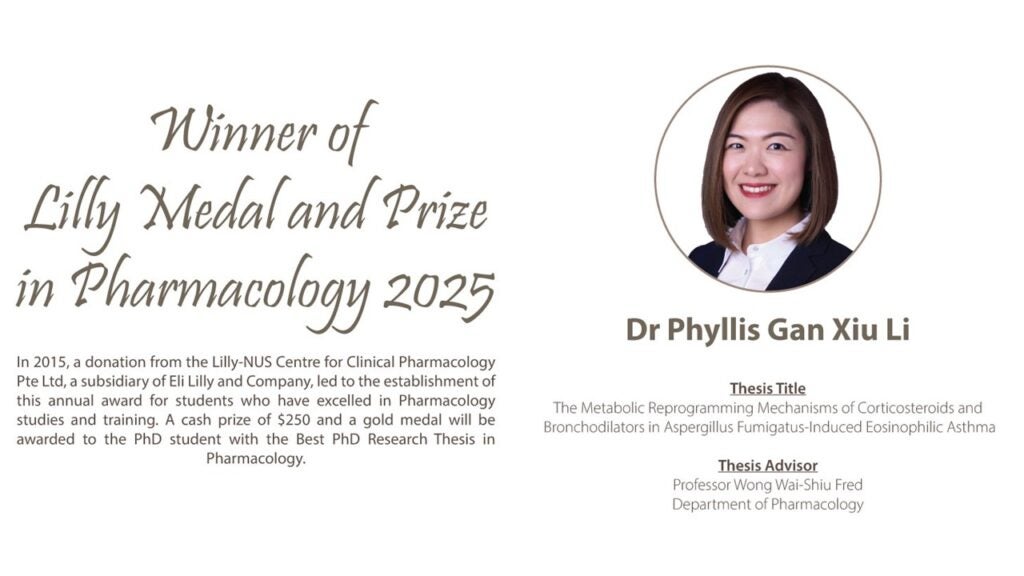
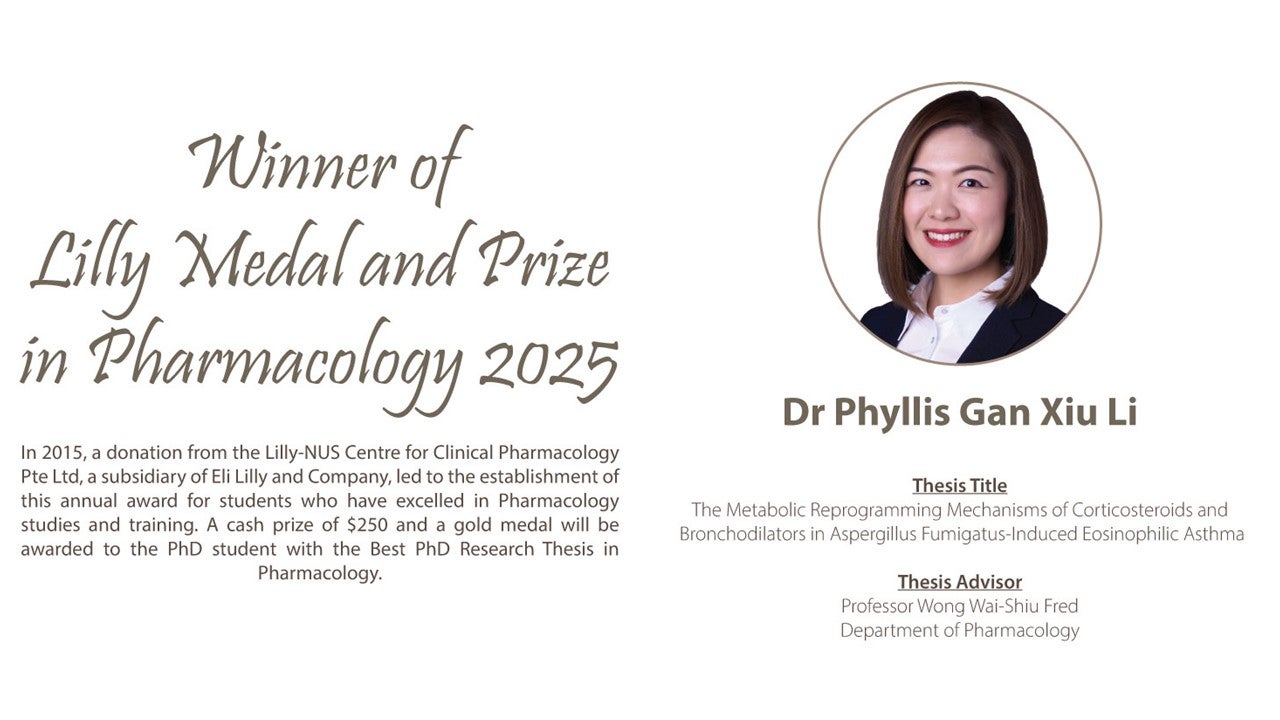
Congratulations to Dr. Phyllis GAN Xiu Li on winning the Lilly Medal and Prize in Pharmacology 2025.
Winner of Lilly Medal and Prize in Pharmacology 2025: Dr Phyllis Gan Read More »
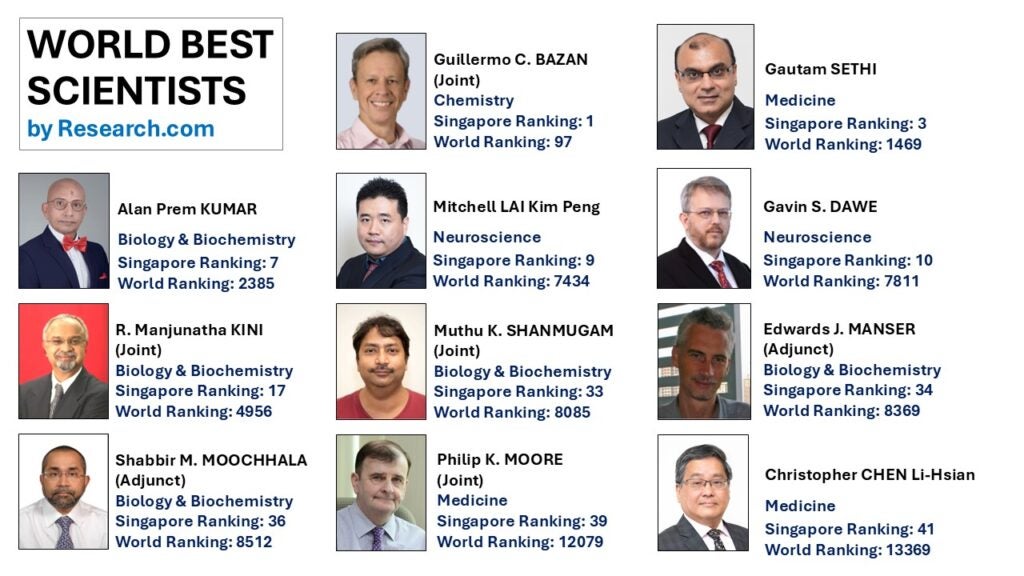
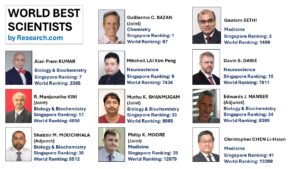
Congratulations to faculty members from the Department of Pharmacology featured in the latest Research.com global rankings of best scientists by discipline. These rankings recognise leading experts based on their research performance and contributions to their respective fields.
Notably, Professor Guillermo C. Bazan was ranked 1st in Singapore and 97th globally in Chemistry. Other distinguished faculty members, including A/P Gautam Sethi, Dr. Alan Prem Kumar, Dr. Mitchell Lai Kim Peng, A/P Gavin S. Dawe, Prof. Manjunatha Kini, Dr. Muthu Shanmugam, A/P Edward Manser, A/P Shabbir Moochhala, Prof. Phillip K. Moore, and Prof. Christopher Chen Li-Hsian, were also acknowledged across disciplines such as Medicine, Neuroscience, and Biology & Biochemistry.
These recognitions reflect the department’s commitment to excellence in biomedical research and its impact both locally and internationally.
NUS Pharmacology Faculty Recognized as World Best Scientists by Research.com Read More »
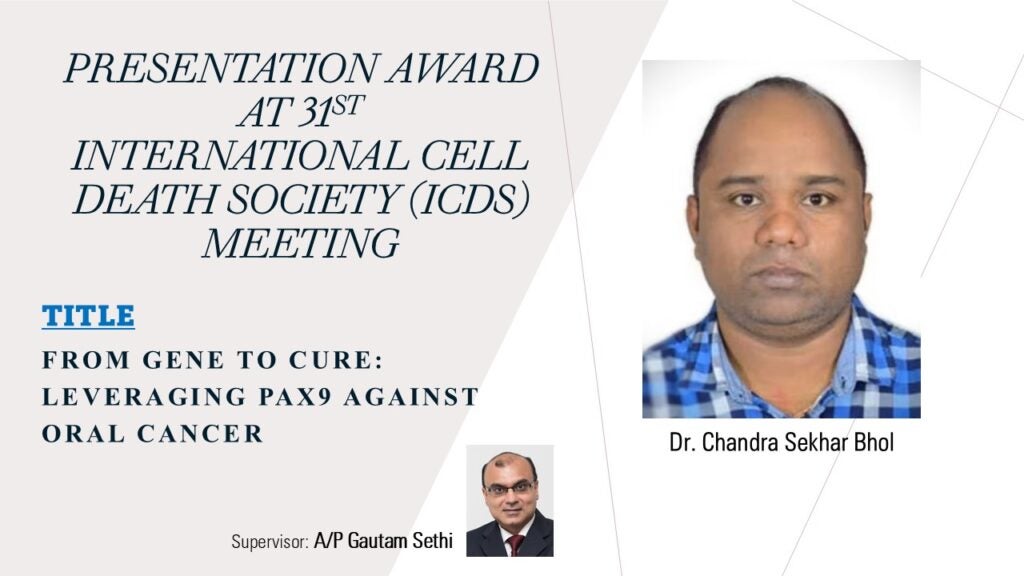

Congratulations to Dr. Chandra Sekhar Bhol on receiving an award under special category for his presentation titled “From Gene to Cure: Leveraging PAX9 Against Oral Cancer” at the 31st International Cell Death Society (ICDS) Meeting.
The award was presented by Professor Dhyan Chandra from Roswell Park Comprehensive Cancer Center, New York, USA, recognizing the significance of Dr. Chandra Bhol’s research contribution.
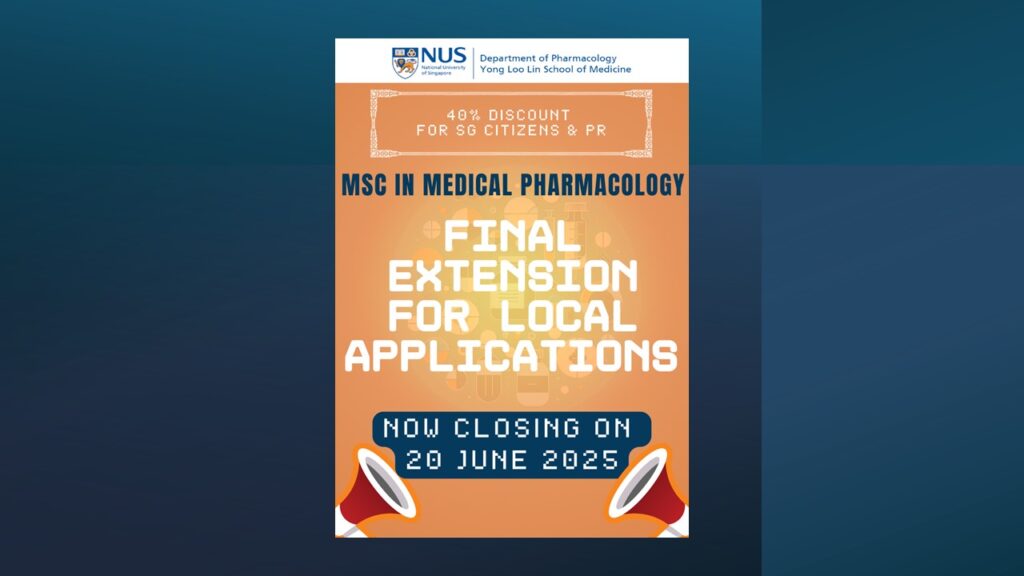
Thinking of advancing your career in Medical Pharmacology? This is your last opportunity to join our August 2025 intake!
We’ve extended the local application deadline one final time to 20 June 2025 to accommodate final submissions.
✅ Future-focused curriculum with strong industry and academic components
✅ One-year intensive programme or Two-years at your own pace
✅ Aligned with Biotech sector growth in Singapore & Asia-Pacific
👉 Apply now: https://medicine.nus.edu.sg/graduatestudies/education/msc-in-medical-pharmacology/
#Pharmacology #PostgraduateStudies #MedicalScience #DrugDevelopment #GradSchool
📣 Final Call: Local MSc Applications Close 20 June Read More »

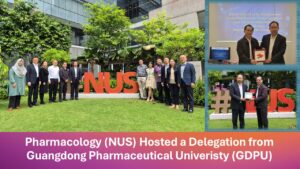
On 19th May 2025, Department of Pharmacology at the Yong Loo Lin School of Medicine hosted President Zhai Lixiang and his delegation from Guangdong Pharmaceutical University (GDPU) under an invitation by Head of Department Assoc Prof Gavin Dawe.
Assoc Prof Low Chian Ming (Deputy Head) and Assoc Prof Wang Lingzhi (MSc Admission Lead, China) extended a warm welcome to President Zhai and his team. Understanding from President Zhai that GDPU sets their mission on science-industry-education integration, the meeting involved enthusiastic and constructive discussions. It began by presentations from our department representatives Asst Prof Minh Le (research), Dr. Mitchell Lai and Dr. Mustafa (Huda) (education; SCALE short-term courses and MSc in Medical Pharmacology programme) followed by an introductory video showcasing GDPU vison and mission in education and research.
GDPU team showed strong interests in pursuing collaborations in research and education through faculty and student exchange, especially exploring plausible formats to integrate our MSc in Medical Pharmacology with their undergraduate programmes. The meeting opened exciting opportunities and strong desire to strengthen communication so as to initiate in-depth discussions between both institutions.


