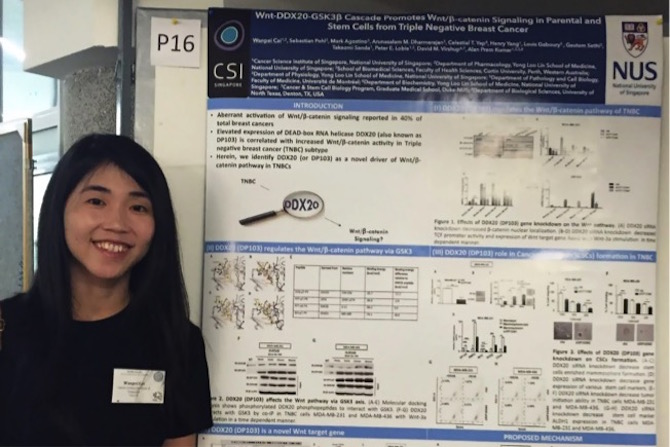
Congratulations to Ms Wang Chao, PhD student of Dr Alan Prem Kumar at the Department of Pharmacology, Yong Loo Lin School of Medicine, for being awarded US$1000 from Korean Breast Cancer Foundation for the Oral Presentation at Global Breat Cancer Conference 2017 in Jeju Island, South Korea.
Congratulations to Ms Dong Jinrui (left photo), PhD student of A/P Fred Wong, and Ms Masturah Bte Mohd Abdul Rashid (right photo), PhD student of Dr Edward Chow, for winning the Best Poster Presentations at the 7th Annual Graduate Scientific Congress 2017.
Congratulations to Hwa Chong Institution students, Poon Wynne Hsing and Van Dan Thu, attached to Associate Professor Gavin Dawe’s laboratory at the Department of Pharmacology, Yong Loo Lin School of Medicine, for winning not only first in the Medicine and Health category but also the prestigious Young Scientist Award at the 2017 Taiwan International Science Fair (TISF). Poon Wynne Hsing was presented with the Young Scientist Award by the President of Taiwan, Tsai Ing-Wen, at the award ceremony.
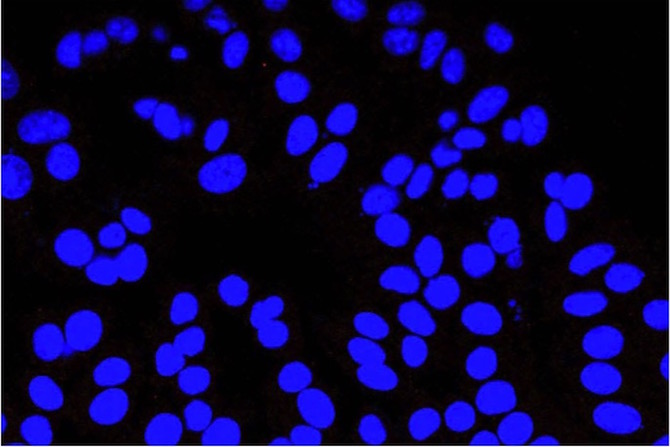
Congratulations to Dr Alan Prem Kumar from the Cancer Science Institute of Singapore (CSI Singapore) at NUS and NUS Yong Loo Lin School of Medicine, together with Professor Shazib Pervaiz and Associate Professor Marie-Veronique Clement from NUS Yong Loo Lin School of Medicine for the discovery.
Congratulations to Associate Professor Sim Meng Kwoon, retired faculty member of the Department of Pharmacology, at NUS Medicine, for developing an oral anti-diabetic drug and have successfully completed Phase I clinical trial. The drug improves the action of insulin and reduces damaging chronic inflammation that accompanies diabetes.
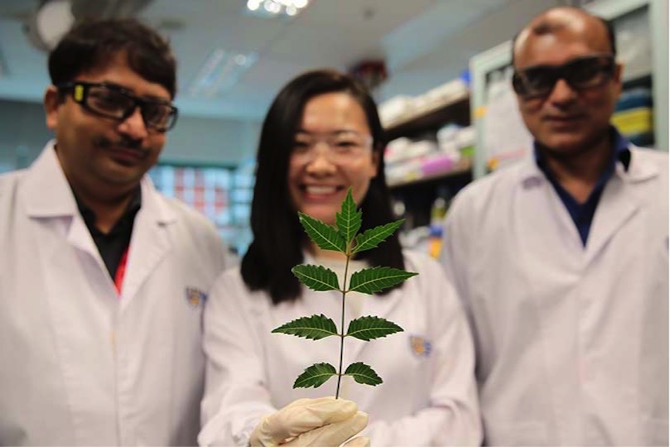
Congratulation to Associate Professor Gautam Sethi from the Department of Pharmacology at the Yong Loo Lin School of Medicine, who led a team of international researchers, at the National University of Singapore (NUS), has found that nimbolide, a bioactive terpenoid compound derived from Azadirachta indica or more commonly known as the neem plant, could reduce the size of prostate tumour by up to 70 per cent and suppress its spread or metastasis by half.
Congratulation to Ms Cai Wanpei, PhD student of Dr Alan Prem Kumar, for receiving an EMBO Travel Grant (€500) based on her abstract to present her work at the annual international Wnt Meeting in Brno, Czech Republic 14-17 September 2016. She’s the only one in Singapore who got this Travel Grant.
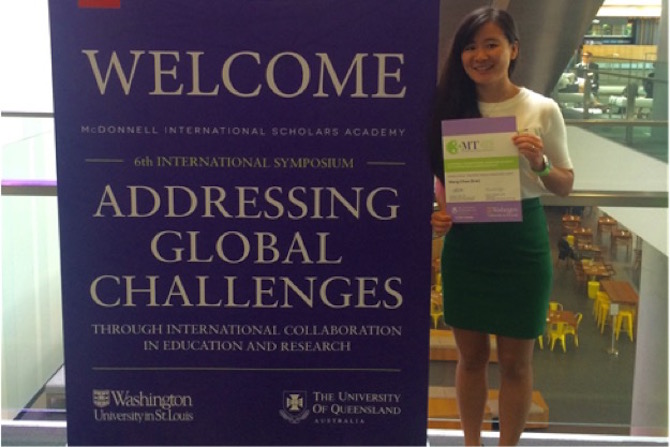
Congratulation to Ms Wang Chao, PhD student of Dr Alan Prem Kumar, for winning of the McDonnell International Scholars Academy 6th International Symposium in Brisbane, Australia (22-25 Sept 2016) – People’s Choice Award for the Population Aging and Global Health 3MT competition.
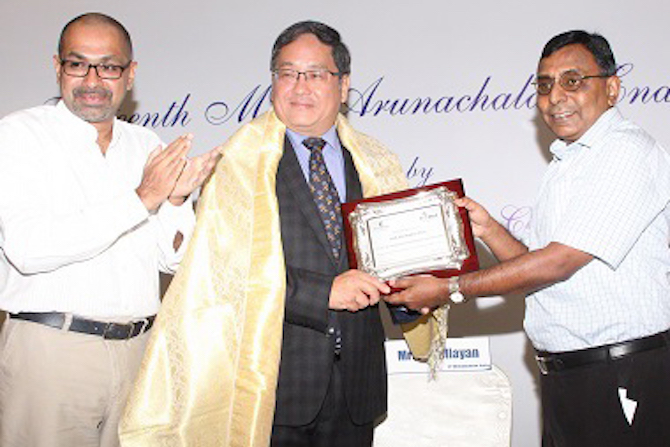
The MV Arunachalam Oration is organised annually to provide public education and to raise awareness on complex neurological disease and disability. The program is curated by Dr. Ennapadam S. Krishnamoorthy, Neuropsychiatrist and supported by the Vellayan Chettiar Trust represented by Mr. A Vellayan, Trustee, Director of Murugappa Group and son of Shri. MV Arunachalam.
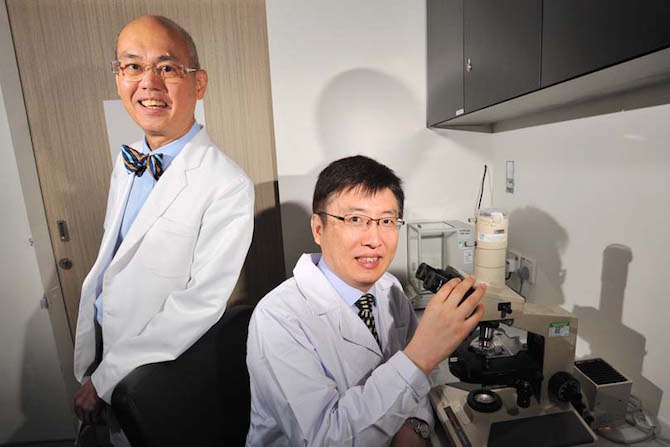
Hydrogen sulphide, a gas known for its rotten egg smell, may be able to help men improve the quality of their sperm and thus their fertility, if an NUS study on animals is translatable to humans. Published in the journal Nitric Oxide, the new findings can potentially give rise to new approaches in treating male infertility.
In experiments conducted on mice, researchers from the Yong Loo Lin School of Medicine discovered that hydrogen sulphide protected the male spermatozoa from heat-related damage which can result in infertility. The work was co-led by Professor P C Wong from the Department of Obstetrics and Gynaecology and Associate Professor Bian Jinsong from the Department of Pharmacology.
The stinky gas, which is produced naturally in small quantities by the body, protects the heart, brain, and cells due to its antioxidant effect, said Assoc Prof Bian. When facing oxidative stress — a situation when the body is overwhelmed by harmful free radicals — cells can be damaged or even killed.
Hydrogen sulphide can produce antioxidative effect to counter oxidative stress, but its efficacy decreases with falling levels. The team’s animal model study showed that heat reduced levels of the gas, leading to lower sperm activity. If sufficient gas is provided to balance the internal deficiency in the body, the level can be corrected, Assoc Prof Bian explained. However, determining the right concentration of the gas is a challenge, he admitted, and further tests will be needed.
Hydrogen sulphide is widely studied for its antioxidative properties, but the NUS investigation represents the first on male reproductive cells.
Prof Wong pointed out that sperm can be affected by factors such as ageing, smoking, drugs, alcohol, heat, stress, toxins, infection and others. Current treatments for male infertility include oral drugs, male hormone products and injections, but they do not succeed in all patients.
Although their findings are exciting, Prof Wong underscored that many steps are required to ensure the same experiments work for humans, before figuring out how to administer the gas. “We hope this can transform into something we can treat people with,” he said, but cautioned that “we must not jump the gun”.