
Traditional medicine has a role to play in treating heat injuries, but more research is needed

Traditional practices and conventional medical treatments could work together to help treat heat injuries, but more research is needed in this area, said an expert at a heat health conference on Jan 10.
Degrees of danger: Beating the heat in South-east Asia

South-east Asia is one of the regions most vulnerable to rising temperatures caused by climate change and rapid urbanisation. What will it take to heat-proof the region?
Official Launch of Global Heat Health Information Network Southeast Asia Hub at NUS Medicine

The Heat Resilience & Performance Centre (HRPC) at the Yong Loo Lin School of Medicine, National University of Singapore (NUS Medicine) has been officially designated as the Global Heat Health Information Network (GHHIN) Southeast Asia Hub, a recognition that underscores its leading role in advancing heat resilience.
Use fan with air-con set at higher temperature to stay cool, save energy: Expert at heat forum
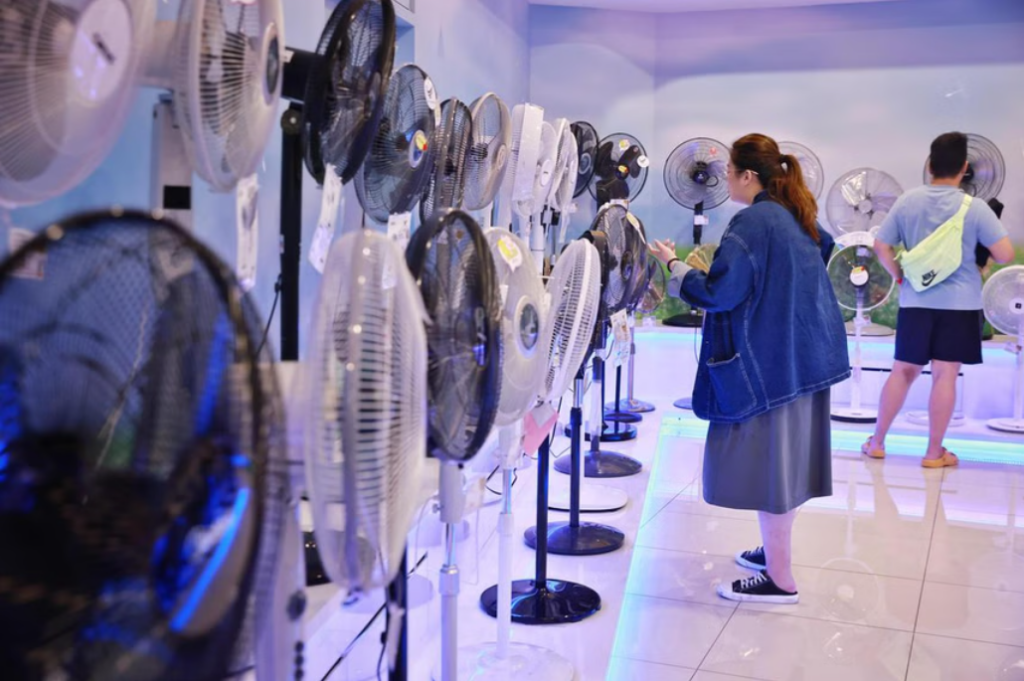
To feel cooler on a hot day, set the air-conditioner at a higher temperature than you intended and also turn on the fan – doing this conserves energy, too.
The “hybrid cooling” solution was piloted at an office space in the Zero Energy Plus Building at the BCA Academy in Singapore.
‘Heat stress is a silent killer’: How heat can affect mental health in workers
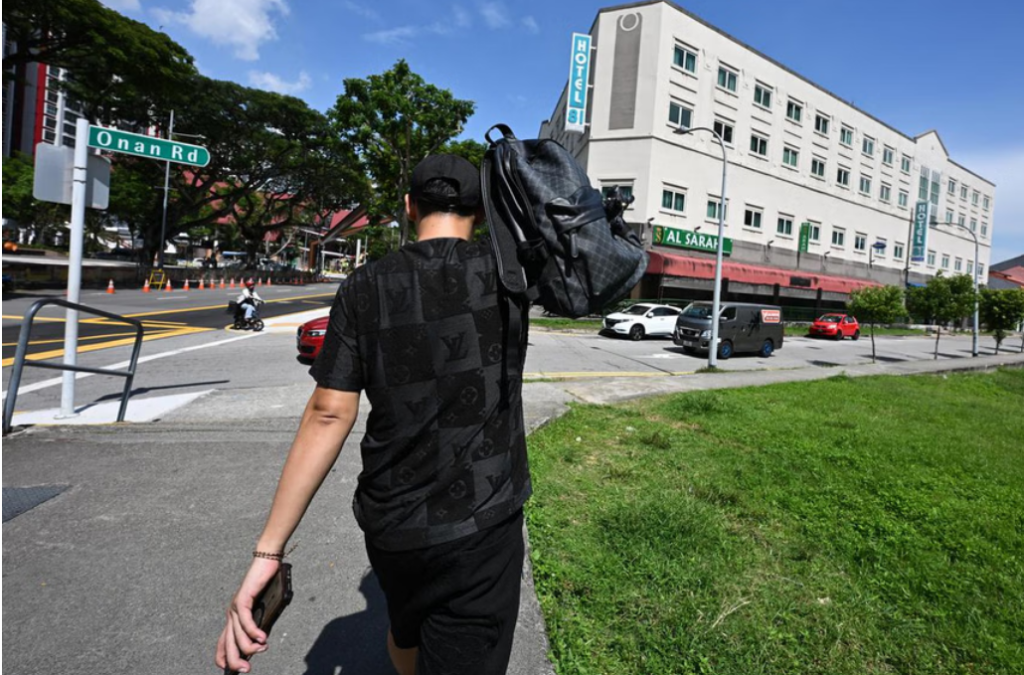
As temperatures rise, workers could be more susceptible to mental health issues, leading to conflicts in the workplace, impaired decision-making and lower productivity, said Dr Ken C. Shawa, a senior economist at the International Labour Organisation (ILO).
NUS-based hub to build a regional network that can respond to South-east Asia’s heat problem
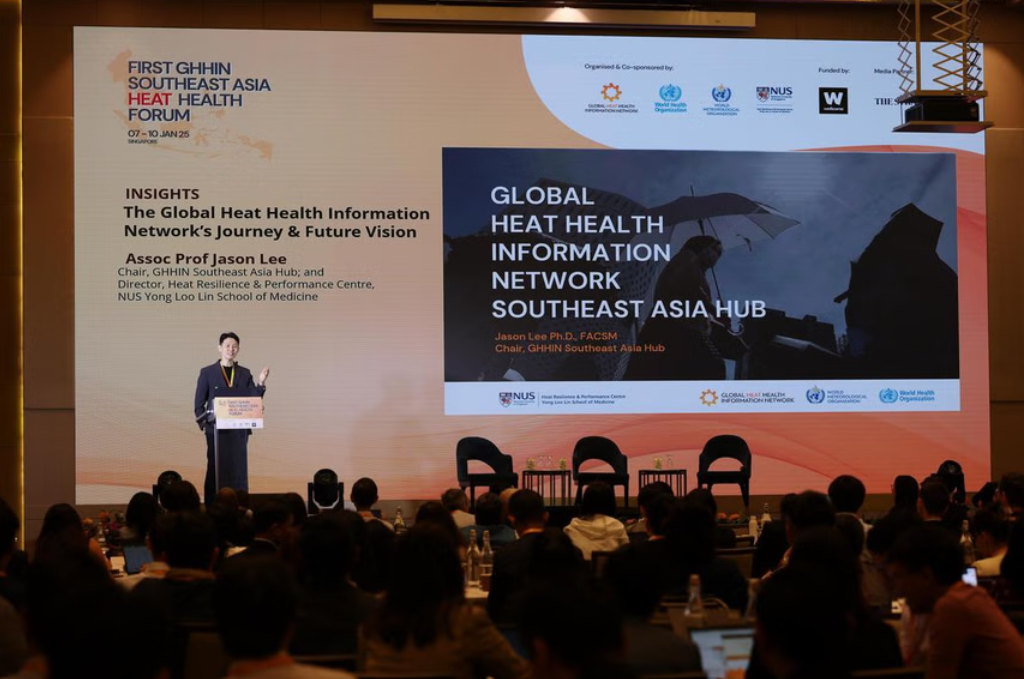
A multidisciplinary regional hub based in Singapore aims to help communities across South-east Asia build resilience against rising temperatures.
It plans to grow a network that will involve a wide range of people such as academics and policymakers, as extreme heat in the region is a crisis that the healthcare sector cannot tackle alone.
Singapore had 122 more dangerous heat days in 2024 due to climate change
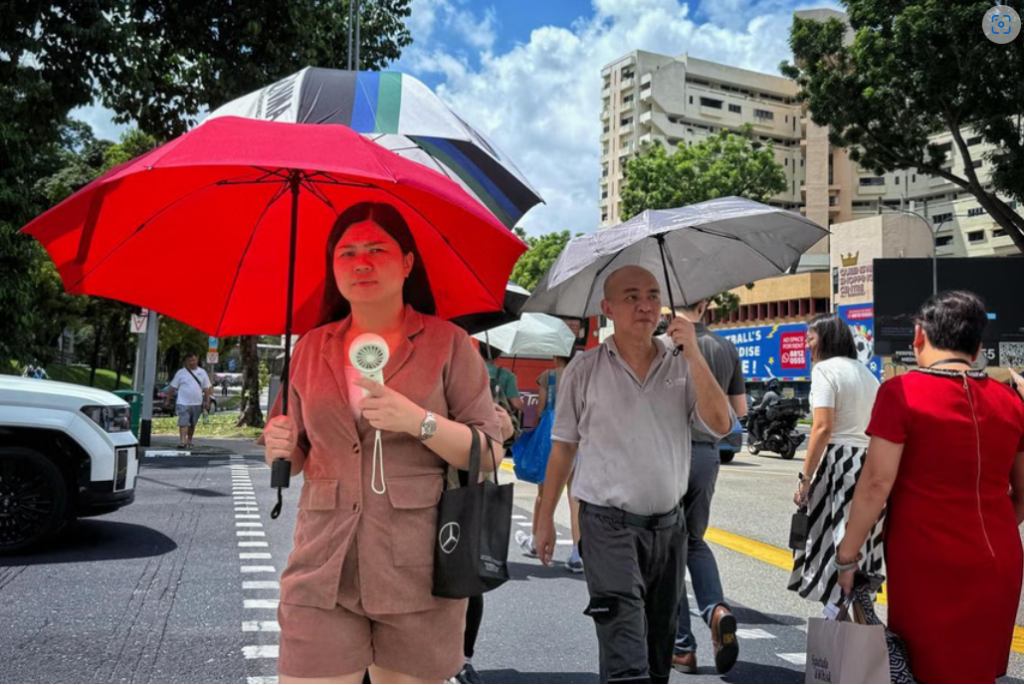
The impacts of climate change on Singapore’s weather are already being felt, with scientists estimating that the Republic experienced 122 extra days of dangerous heat in 2024.
Confronting the Climate Crisis – experts warn of more deadly extreme weather fueled by global warming.

Experts warn of more deadly extreme weather fueled by global warming.
SportSG, NUS join hands in enhancing athlete performance in hot climates

Singapore’s sports science and sports medicine experts say the country’s tropical climate gives it an opportunity to carve out a niche in heat management expertise for athletes. To develop this field, the national sports body is teaming up with a local university to develop a framework for athletes to enhance their training under extreme heat.
11th NUS-Cambridge Joint Symposium on Climate and Heat Health – Confronting global Challenges amidst escalating temperatures
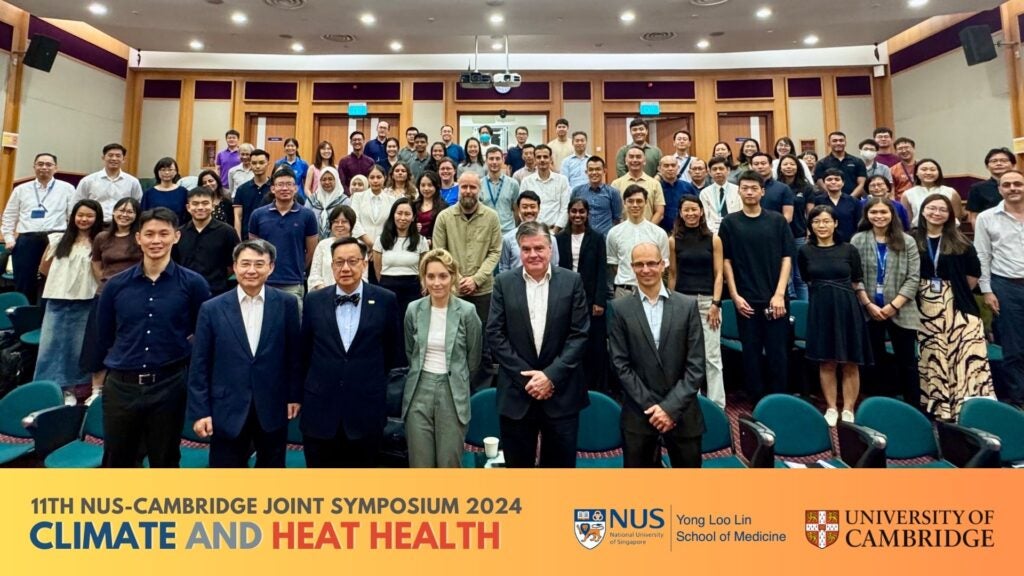
The 11th NUS-Cambridge Joint Symposium on Climate and Heat Health convened a diverse array of experts, clinicians, and young researchers to tackle the pressing health impacts of climate change.