HealthHack is for Real Solutions
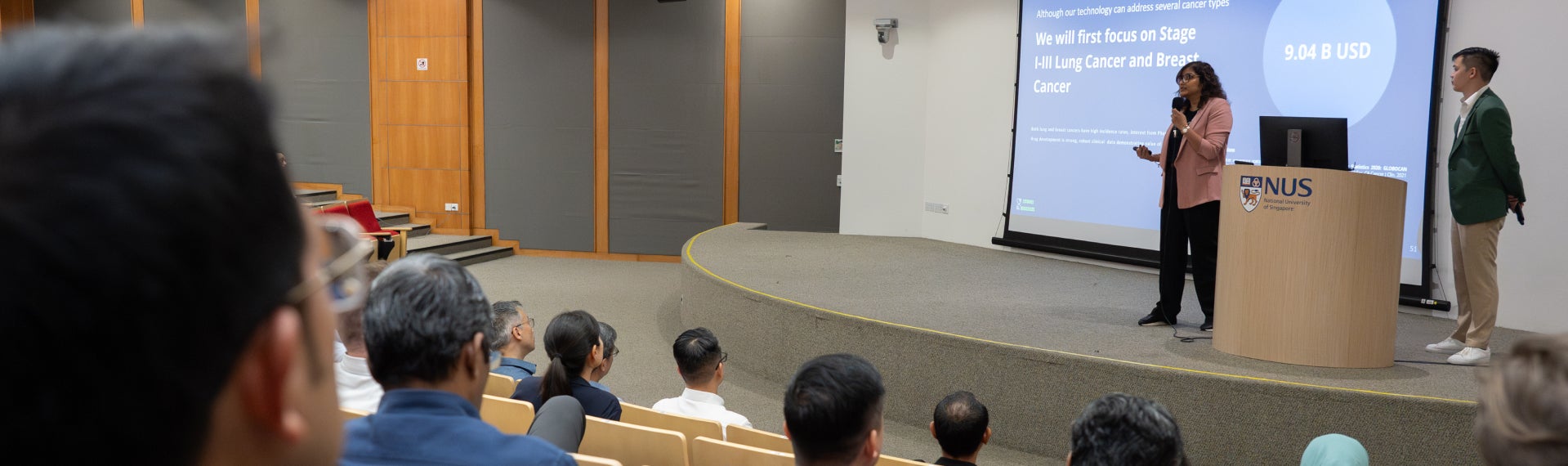
HealthHack began with the belief that breaking down silos to bring the right people together could unlock solutions to pressing healthcare challenges. Across two editions, the hackathon brought together more than 2,300 participants from 11 countries, including clinicians, engineers, students, patients, and caregivers, to create practical solutions for genuine problems. HealthHack was designed to be a space where anyone, regardless of background, could engage with healthcare challenges and attempt to solve them.
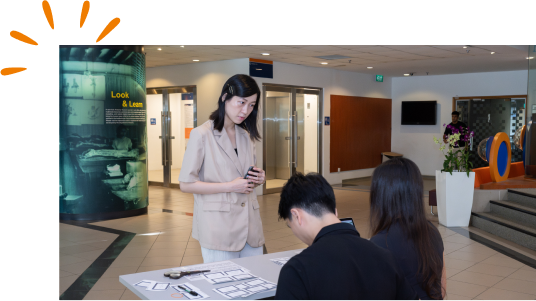
Here are the stories of three of the many teams that progressed beyond HealthHack.




Progress Beyond HealthHack

Marymount Labs
Marymount Labs was started by two brothers; an NUS Computer Science student and an AI/Machine Learning researcher, after winning 1st Prize at HealthHack 2024. When large language models were still nascent, they combined behavioural science and LLMs to engage patients through multi-turn WhatsApp conversations and encourage health behaviours such as screening and vaccination.
Since then, the team has received pre-seed funding through NUS Medicine’s Digital Health Accelerator and expanded beyond patient activation. Marymount now builds autonomous AI care workers for healthcare and social care organisations, covering workflows from engaging socially isolated seniors and preventive health to clinical and administrative work. Its technology is deployed across GP practices and Active Ageing Centres, with multiple pilots underway with Singapore’s public healthcare institutions.
HerLens
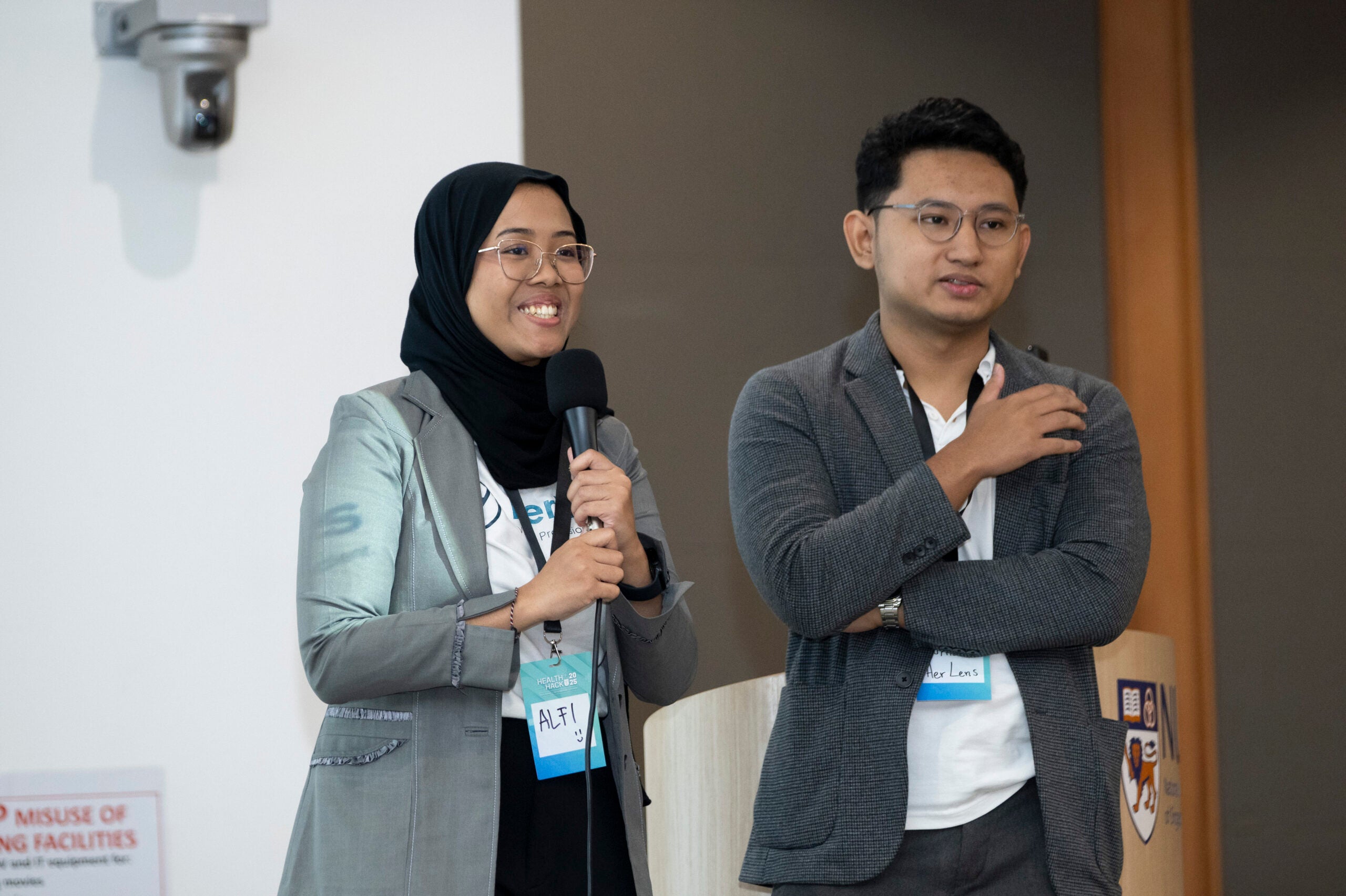
Hailing from Indonesia, HerLens was shaped by a deeply personal problem. A team member had lost a loved one due to a missed diagnosis of cervical cancer. At HealthHack 2025, they pitched their solution to improve the performance of VIA-based screening in low-resource settings, and won the HealthHack 2025 Value-based Healthcare 1st prize.
The team was selected for DATA’s second Digital Health Accelerator cohort, where they received pre-seed funding. Through the accelerator, they developed a regulatory strategy based on their initial target countries, refined their market-entry strategy, pricing model, and identified potential avenues for generating first customer interest in each market. They are now working towards integrating their digital solution with hardware and expanding screening to underserved communities. Clinical trials are underway with Indonesia’s largest and most influential hospital, enabling adoption across more than 500 affiliated health centres in rural areas.
Reflexion
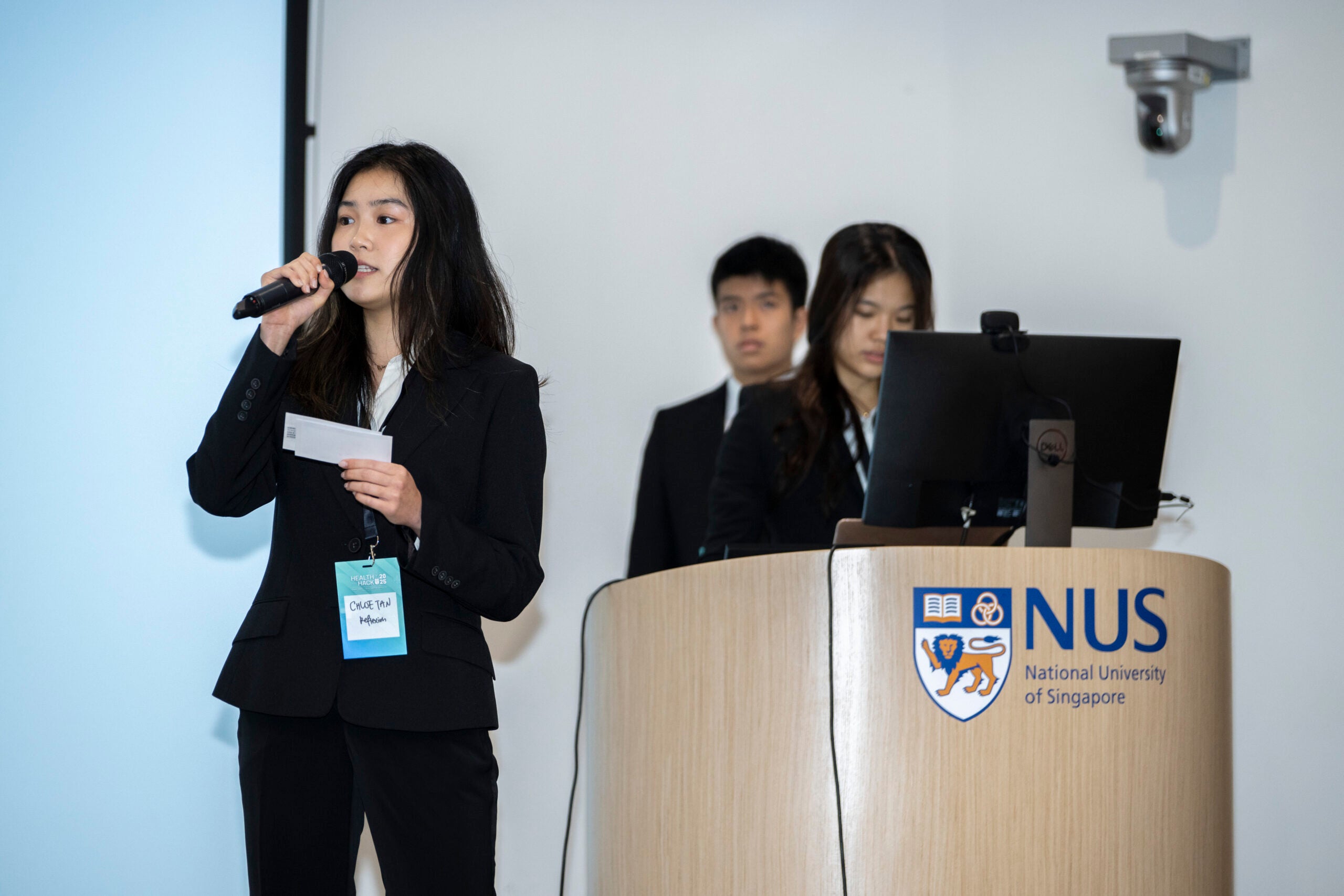
Winners of HealthHack 2025 Silver Generation 1st prize, Reflexion consists of 2 NUS Medicine students and a National serviceman. They designed a smart mirror to help detect signs of dementia early and slow progression by seamlessly embedding longitudinal cognitive assessments and exercises into daily routines. Linked to a companion app for seniors, caregivers, and doctors, their solution also couples with Edge AI processing to ensure data privacy on local hardware.
After HealthHack 2025, they went on to become 2nd Runners Up at Huawei Tech4City 2025, and won the MapleTree Business Entrepreneurship Competition 2026, receiving a SGD10,000 Venture Fund and retail booth at VivoCity in August 2026. They also took 1st place at TigerLaunch Asia Regionals 2026, advancing to the Global Finals at Princeton University. They have also been accepted to Block71’s Global Startup Runway programme.