NUS Medicine Startups Present at NIC Singapore Conference 2025
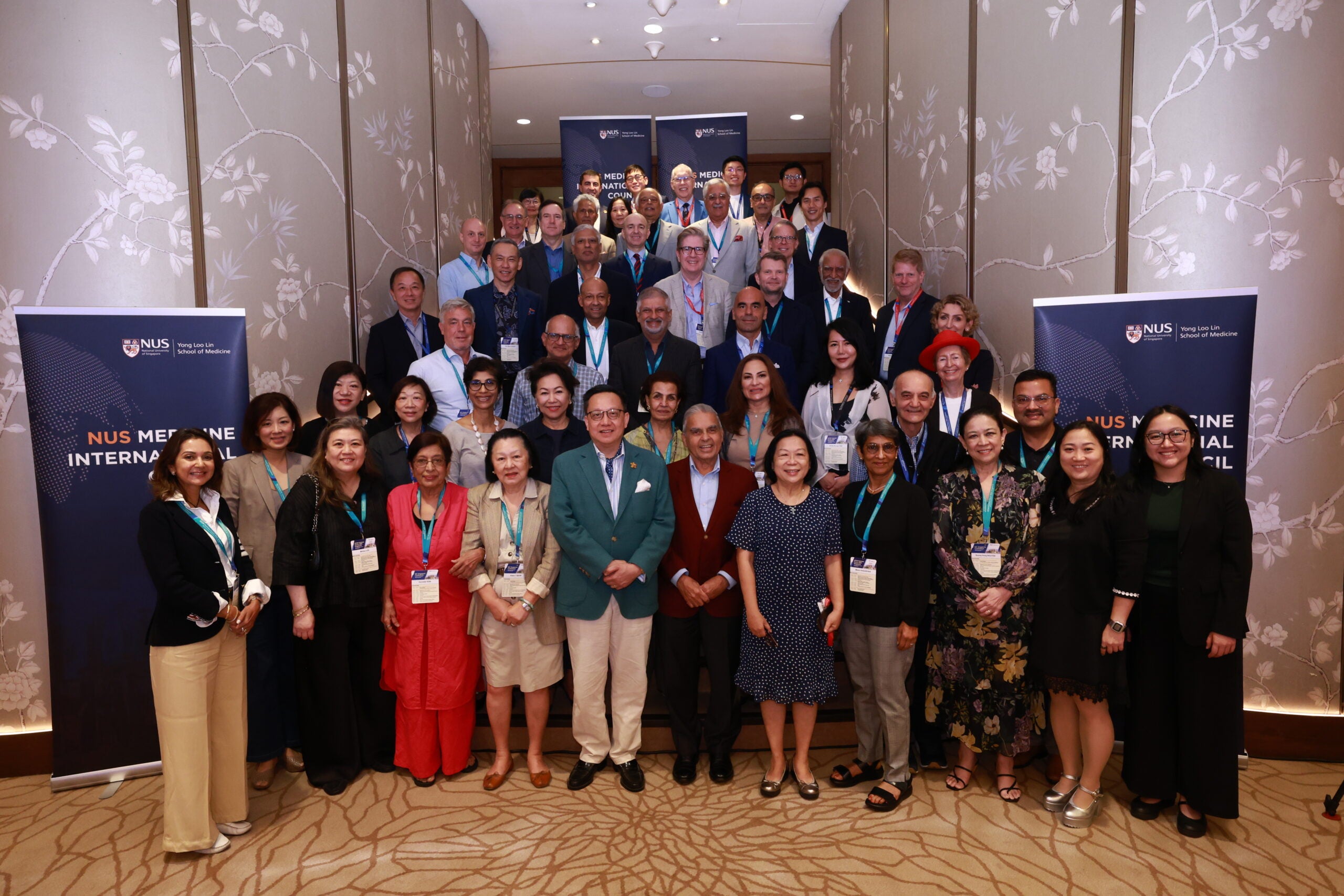


Scaling healthcare innovation from Singapore to underserved populations across Asia—startups pitch solutions to global investors and philanthropists
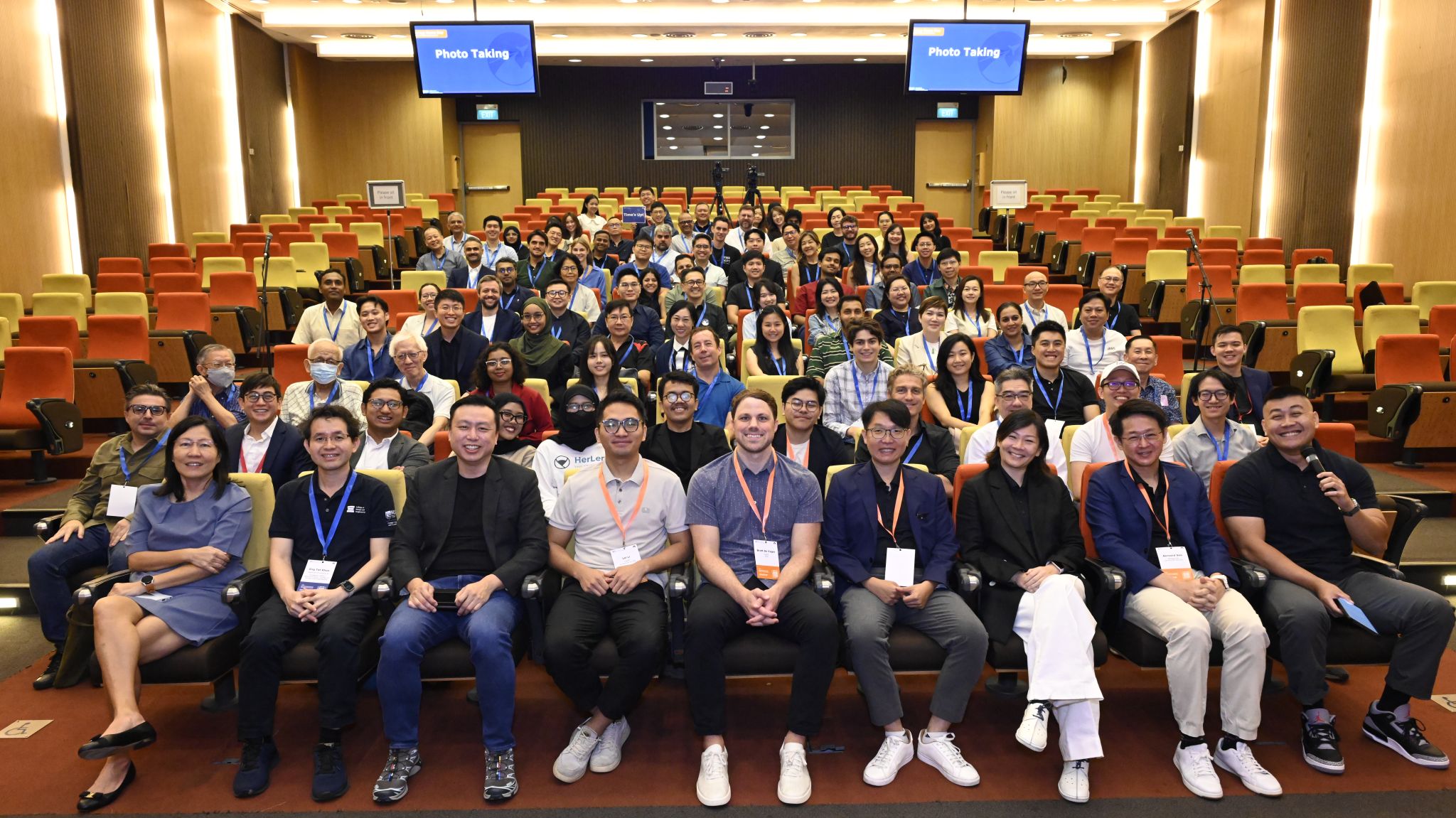
The NUS Medicine International Council (NIC) Singapore Conference 2025 spotlighted how emerging technologies can tackle some of healthcare’s most pressing challenges. Digital health startups from the NUS Medicine Digital Advanced Technology Accelerator (DATA) presented innovations to an audience of investors, business leaders, and philanthropists—demonstrating scalable solutions for underserved patient populations across Asia and beyond.
Innovations Addressing Critical Healthcare Gaps
The session explored three priority areas where technology can transform patient outcomes:
- Women’s Cancer Detection
Early screening technologies that increase accessibility and accuracy, particularly in underserved communities where traditional screening infrastructure is limited.
- Chronic Disease Management
Digital platforms addressing the rising burden of non-communicable diseases (NCDs) through proactive monitoring and personalised interventions.
- Children’s Mental Health
Youth-focused mental wellness tools designed to reach young people through engaging, accessible digital channels.
Featured Startups
Three founders presented their solutions and shared insights on scaling healthcare innovation:
- Muhammad Naufal Nabiel, HerLens: AI-powered cervical cancer screening that transforms smartphones into diagnostic tools, expanding access to life-saving early detection
- Lazarus Chok, Marymount Labs: Rapid clinical insight generation to accelerate women’s health research and decision-making
- Renee Chong, MangaChat: AI-driven emotional journalling platform supporting mental health and ADHD management in young people
Session moderated by Ted Souder
Bridging Innovation and Implementation
Beyond product demonstrations, the session addressed fundamental challenges in healthcare technology adoption: regulatory pathways, clinical validation requirements, reimbursement models, and integration with existing healthcare systems. These discussions highlighted the multi-stakeholder collaboration required to move innovations from development to widespread clinical use.







Other Related News