

News
25 SEP 2026
Artificial intelligence and biosecurity in ASEAN: implications for surveillance and responseArtificial intelligence and biosecurity in ASEAN: implications for surveillance and response (Xu et al.)
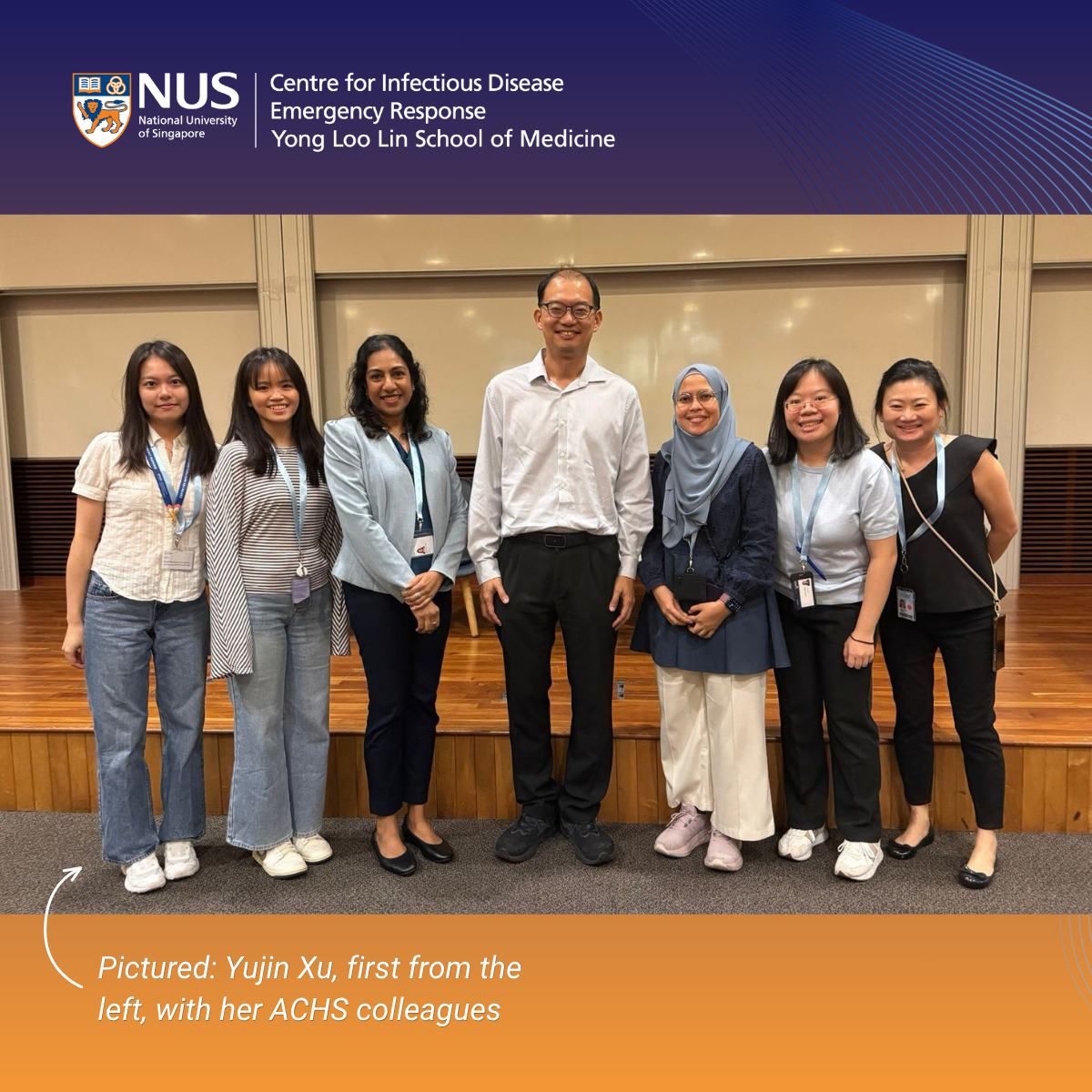 Congratulations to our Class of 2026 graduate, Yujin Xu, on her first-author publication, “Artificial intelligence and biosecurity in ASEAN: implications for surveillance and response,” in the Western Pacific Surveillance and Response journal.
Co-authored with Dr. Alvin Qijia Chua, Prof. Mely Caballero-Anthony, and Prof. Li Yang Hsu during her internship at the NUS Asia Centre for Health Security (ACHS), the paper explores a critical and timely issue – the intersection of AI and biosecurity in ASEAN.
While AI is accelerating biomedical research, it also introduces complex dual-use vulnerabilities that challenge our current biosecurity surveillance systems. The paper highlights a pressing regulatory gap that currently, only Singapore and Thailand have dedicated biosecurity legislation in place, underscoring the urgent need for broader regional alignment.
To mitigate these risks, the authors recommend proactive safeguards, including active “red-teaming” by developers and mandating pre-deployment biosecurity reviews for dual-use AI models before they enter biomedical lab settings.
Yujin is currently applying her expertise as an Epidemiologist at Khoo Teck Puat Hospital. Congratulations to her and the ACHS team for driving such a key conversation on advances in AI and in our field of work!
Read the full paper here: https://ojs.wpro.who.int/ojs/index.php/wpsar/article/view/1475