

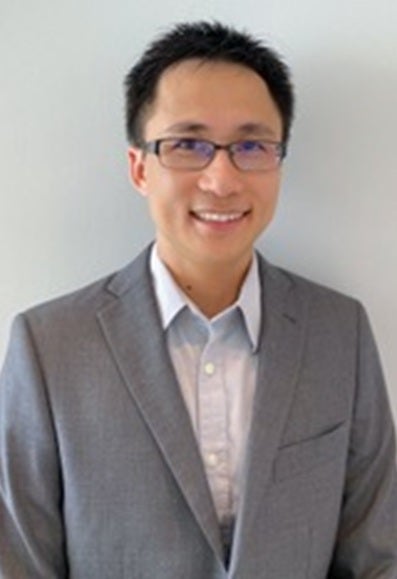
Affiliations
Principle Investigator, Synthetic Biology Translational Research Programme, NUS
Assistant Professor, Department of Biochemistry, Yong Loo Lin School of Medicine, NUS
Education
| Institution and Location | Year(s) |
| Ph.D., University of Wisconsin-Madison, Madison, USA | 2016 |
| M.Sc., Guangzhou Institute of Biomedicine and Health, Guangzhou, China | 2010 |
| B.Sc., Sun Yat-sen University, Guangzhou, China | 2007 |
Professional Experience
| Institution and Location | Year(s) |
| Altos Labs, San Diego, USA | 2022 – 2025 |
| Salk Institute for Biological Studies, San Diego, USA | 2016 – 2022 |
Research Interests
Stem cells-based modeling of developmental processes and the generation of novel cells or tissues for regenerative medicine.
Current Research Projects
The research centers on using advanced stem cell technologies and synthetic biology to create models that closely mimic early human development and specialized tissues, with a focus on improving our understanding of embryo formation and developing new therapies for degenerative diseases. By engineering stem cells to self-organize into structures known as blastoids (which resemble early embryos) and islet organoids (which mimic insulin-producing pancreas tissue), the work aims to provide new tools for studying human biology, addressing infertility, and treating diseases like diabetes.
A key innovation is the use of synthetic biology—especially engineered genetic circuits—to precisely control how these stem cell models develop, ensuring they form the right cell types and organize themselves correctly. This approach not only helps overcome current limitations in generating robust and functional tissues but also opens up possibilities for safer, more effective therapies by reducing unwanted cell types and improving the overall quality of the engineered tissues for transplantation and regenerative medicine.
The lab focuses on:
1. Modelling developmental processes using stem cells
2. Synthetic regulation of multicellular systems
3. Engineering cells to improve functions for therapeutic applications
4. Cellular reprogramming to restore and enhance cell functionality
Selected Publications
- Lu JY, Tu WB, Li R, Weng M, Sanketi BD, Yuan B, Reddy P, Esteban CR, Belmonte JCI. Prevalent mesenchymal drift in aging and disease is reversed by partial reprogramming. Cell. Elsevier; 2025 Oct 16;188(0):1–17. https://doi.org/10.1016/j.cell.2025.07.031
- Li R, Izpisua Belmonte JC. Protocol for the generation of blastocyst-like structures from mouse extended pluripotent stem cells. STAR Protocols. 2021 Sep 17;2(3):100745. https://doi.org/10.1016/j.xpro.2021.100745
- Liu H*, Li R*, Liao H-K*, Min Z, Wang C, Yu Y, Shi L, Dan J, Hayek A, Martinez Martinez L, Nuñez Delicado E, Izpisua Belmonte JC. Chemical combinations potentiate human pluripotent stem cell-derived 3D pancreatic progenitor clusters toward functional β cells. Nat Commun. Nature Publishing Group; 2021 Jun 7;12(1):3330. (* equal contribution) https://doi.org/10.1038/s41467-021-23525-x
- Li R*, Zhong C*, Yu Y*, Liu H, Sakurai M, Yu L, Min Z, Shi L, Wei Y, Takahashi Y, Liao H-K, Qiao J, Deng H, Nuñez-Delicado E, Rodriguez Esteban C, Wu J, Izpisua Belmonte JC. Generation of Blastocyst-like Structures from Mouse Embryonic and Adult Cell Cultures. Cell. 2019 Oct;179(3):687-702.e18. (* equal contribution) https://doi.org/10.1016/j.cell.2019.09.029
- Li R, Dong Q, Yuan X, Zeng X, Gao Y, Chiao C, Li H, Zhao X, Keles S, Wang Z, Chang Q. Misregulation of Alternative Splicing in a Mouse Model of Rett Syndrome. PLoS Genet. 2016;12(6):e1006129. https://doi.org/10.1371/journal.pgen.1006129
- Li R*, Liang J*, Ni S, Zhou T, Qing X, Li H, He W, Chen J, Li F, Zhuang Q, Qin B, Xu J, Li W, Yang J, Gan Y, Qin D, Feng S, Song H, Yang D, Zhang B, Zeng L, Lai L, Esteban MA, Pei D. A mesenchymal-to-epithelial transition initiates and is required for the nuclear reprogramming of mouse fibroblasts. Cell Stem Cell. 2010 Jul 2;7(1):51–63. (* equal contribution) https://doi.org/10.1016/j.stem.2010.04.014