Unfolding the culture of respect in medical education: A scoping review

Submitted: 11 February 2025
Accepted: 6 October 2025
Published online: 7 April, TAPS 2026, 11(2), 22-31
https://doi.org/10.29060/TAPS.2026-11-2/RA3871
Leonaldo Lukito Nagaria1, Sri Linuwih Menaldi2 & Diantha Soemantri1
1Department of Medical Education, 2Department of Dermatology and Venereology, Faculty of Medicine, University of Indonesia, Indonesia
Abstract
Introduction: The culture of respect is a crucial aspect of medical learning environments. It has many positive impacts on learning, inclusivity, healthcare collaboration, and healthcare quality. Since it has not been specifically described in previous studies, this review aimed to describe the nature of respect cultivation in medical education (including its definition, assessment, exemplary actions, actors, impacts, and barriers) and thus identify the potential gaps therein.
Methods: This scoping review adapted Arksey and O’Malley’s steps for scoping reviews. Five databases (PubMed, Medline, Science Direct, Google Scholar, and Wiley) were searched, using combinations of related keywords and Boolean operators. The publication year was limited to within the last 15 years. The data analysis was performed using descriptive charting and thematic analysis.
Results: Out of 3,900 articles searched, 169 were full text screened, and 23 were included for further analysis. Six discussed themes were (1) the definition of respect, (2) assessment methods of respect, (3) exemplary actions of respect, (4) contributing actors of respect, (5) the impacts of respect, and (6) barriers to cultivating respect.
Conclusion: The nature of respect in medical education was described diversely in the studies, which lacked specific assessment instruments. Barriers to cultivating respect were reported on multiple levels (personal, interpersonal, and institutional), thus requiring multilevel-based approaches. Further studies are required to explore the theoretical framework of respect in various medical educational settings and strategic approaches for cultivating respect in each context.
Keywords: Respect, Professionalism, Learning Environment, Culture, Medical Education
Practice Highlights
- Practices of respect might vary according to the medical education sociocultural context.
- No valid instrument to assess the culture of respect in medical education yet exists.
- Respect could enhance professionalism, trust, healthcare collaboration, and patient safety.
- Cultivating respect is challenging and should incorporate multilevel-based approaches.
I. INTRODUCTION
The learning environment comprises a complex interplay between the psychosocial, personal, and organizational aspects surrounding the educational setting (Gruppen, 2014). A supportive learning environment creates a safe learning climate, enhances professional identity formation, and nurtures students’ academic achievement (Alotiby et al., 2021). Conversely, a negative learning environment has been associated with medical students’ burnout, psychological distress, and suboptimal learning outcomes. Of all aspects, educational norms and cultures play a significant role in constructing the medical environment (Karani, 2015).
Medical educational culture is still perceived as hierarchical, with a disequilibrium in the distribution of power. In such a culture, individuals with higher social status have a better chance of gaining respect and becoming more influential toward others (Claramita et al., 2022). From the medical education perspective, the hierarchical culture has tended to produce a disrespectful culture and behaviours from faculty toward students, perceived as the inferior group (Lim et al., 2021). For instance, 85% of surveyed Indonesian medical students had experienced disrespectful behaviours from faculty, senior peers, or other health professionals (Rozaliyani et al., 2019).
In extreme cases, disrespectful actions might lead to negative consequences regarding patient care delivery, commonly termed disruptive behaviours (Leape et al., 2012). Dabekaussen et al. (2023) reported that 63% of 388 healthcare workers had experienced disruptive behaviours, such as humiliation, shaming, angry outbursts, insensitive comments, threats, and uncooperative behaviours. These behaviours might result in burnout, moral distress, workflow disengagement, and loss of trust among health professionals. More specifically, the loss of trust and workflow disorganization could contribute to higher risks of miscommunication, false decision-making, and medical errors, which threaten patient safety (Leape et al., 2012).
To foster safety in healthcare settings, respect should be cultivated from the training stage. Medical students who feel respected by their colleagues will treat patients in the same manner (Leape et al., 2012). However, the nature of respect in medical education has been expressed variously across studies. For instance, Karnieli-Miller et al. (2010) described respect as an intrinsic value of being non-judgmental to students and patients. Subramani and Biller-Andorno (2022) broadened the concept to describe attitudes and behaviours that reflect physician bioethics codes. This lack of agreement regarding the nature of respect might prevent us from deeply understanding this topic and subsequently recommending a plausible approach to cultivating respect in medical contexts.
A standardized tool to assess respect in medical education has also not been formulated yet (Karnieli-Miller et al., 2010). Numerous previous studies have attempted to measure expressed respect from a patient perspective, using the Patient Dignity Inventory tool (Aboumatar et al., 2015). Another study by Karnieli-Miller et al. (2010) used qualitative assessment to describe the culture of respect. Considering the wide range of descriptions, this study focused on describing the nature of respect in medical education and identifying the potential gaps in cultivating it. The study findings should provide new insights for medical institutions on how to more appropriately cultivate respect.
II. METHODS
This study adapted the Arksey and O’Malley (2005) scoping review protocol as its methodological guidance. The study method is divided into five appropriate steps, consecutively described below.
A. Identifying Research Questions and Relevant Studies
This scoping review aimed to address the nature of the cultivation of respect in medical education. Through prior literature scanning, we agreed on six leading research questions:
- What are the definitions of respect throughout studies?
- What instruments were used to assess respect throughout studies?
- Who are the contributing actors in cultivating respect throughout studies?
- What are the exemplary actions of respect throughout studies?
- What are the impacts of cultivating respect throughout studies?
- What are the barriers to cultivating respect throughout studies?
The PCC (population, concept, and context) framework was used as guidance for the literature searching and screening. The descriptors were as follows:
- Population: Any individual involved in medical education
- Concept: The nature of respect culture (definitions, assessment instruments, actors, exemplary actions, impacts, and barriers)
- Context: Medical educational settings.
B. Identifying Relevant Studies
Five online databases were used for the literature search: PubMed, Medline, Science Direct, Google Scholar, and Wiley. The search used synonymous terms (such as “respect,” “respectful,” and “dignity”), along with Boolean operators (“AND” and “OR”). The detailed search terms are described in Table 1.
The inclusion criteria were (1) studies conducted in medical education settings, (2) published during 2009–2024, and (3) written in English. The timeframe limit was selected considering that studies specifically discussing “respect” were rarely retrieved before then. The exclusion criteria comprised (1) studies that were not full-text accessible, (2) secondary studies (including reviews, commentaries, and books), and (3) studies that did not empirically assess respect. The publication years were pre-determined using the journals’ automatic search filters.
|
Database(s) |
Searching keywords |
Hits |
|
Medline |
((respect[Title/Abstract] OR respectful[Title/Abstract] OR dignity [Title/Abstract]) AND (“medical student”[Title/Abstract] OR preclinical[Title/Abstract] OR “clinical education”[Title/Abstract] OR “medical school”[Title/Abstract] OR “resident”[Title/Abstract])) AND (“learning environment”[Title/Abstract] OR culture [Title/Abstract] OR interaction [Title/Abstract] OR relationship[Title/Abstract]) |
1001 |
|
Science Direct |
(“medical education” OR “medical student” OR “medical school” OR “resident”) Year: 2004-2024 Title, abstract, keywords: (respect OR respectful OR dignity) AND (learning environment OR culture OR relationship OR interaction) |
1254 |
|
Wiley |
“respect OR respectful OR dignity” in Abstract AND “medical education OR medical student OR clinical education OR medical undergraduate OR resident” in Abstract AND “interaction OR culture OR relationship OR learning environment” anywhere |
652 |
|
Google scholar |
Allin title: (“medical student” OR medical training) AND (“respect” OR |
486 |
|
PubMed Central |
(((respect[Abstract] OR respectful[Abstract] OR dignity[abstract])) AND (medical education[Abstract] OR medical student[Abstract] OR medical undergraduate[Abstract] OR residency[Abstract] OR learning environment [Abstract])) AND (interaction OR culture OR value OR relationship) |
507 |
Table 1. Search Strategy and Keyword Combinations
C. Study Selection
The Preferred Reporting Items for Systematic Reviews and Meta-Analyses extension for Scoping Reviews (PRISMA-ScR) diagram is shown in Figure 1. The initial search of the five databases extracted 3,900 articles. After excluding duplicate articles, 2,963 were screened based on their abstracts, and 169 full-text articles underwent full-text eligibility screening. Finally, 23 articles were included.
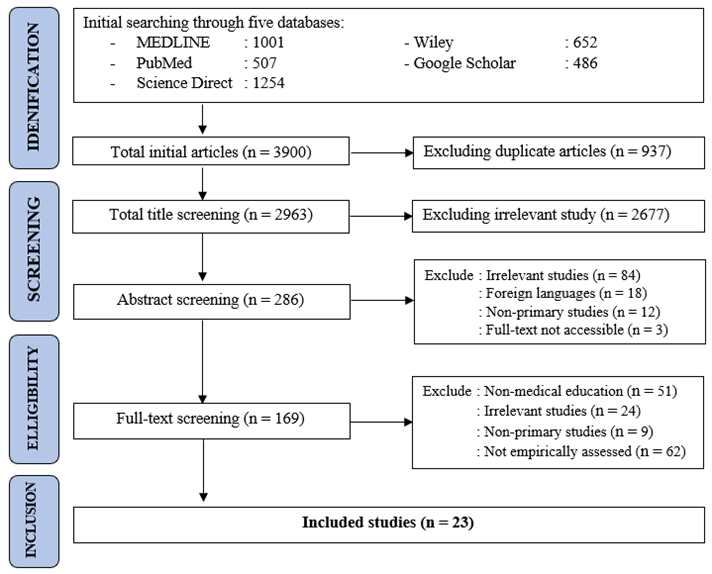
Figure 1. PRISMA-ScR Flow Chart
D. Charting the Data
The methodological characteristics of all the studies included were visualized. Several elements were recorded, such as the authors, publication year, study type, study setting, and study population. As needed, the data were visualized using tables and appropriate graphics.
E. Collecting, Summarising and Reporting
Data regarding the culture of respect in medical education were thematically analyzed into several themes in concordance with the research questions. Then, all studies’ findings were summarized using a narrative approach, manually performed by all authors (LLN, SLM, DS).
III. RESULTS
A. Study Charting Results
23 studies were considered eligible according to the study criteria. The dataset is available in Figshare (https://doi.org/10.6084/m9.figshare.28479062). Most were published in either 2021 or 2024 (three studies each). On average, fewer than three related articles were published annually during the last 15 years. Based on geographical distribution, 21 out of 23 studies were published in Western countries, of which 14 originated from the United States. Two studies originated from Eastern countries: Malaysia (Haque et al., 2016) and Iran (Hazrati et al., 2020). One study compared cultural perspectives in Canada and Thailand (Wong, 2011).
By methodology, most (nine) studies used a cross-sectional design with a self-made survey. The others comprised six mixed-methods studies, five qualitative studies, two retrospective cohort studies, and one interventional study. The interventional study evaluated pediatric residents’ skills after they underwent focused communication training (Howell et al., 2022). The study settings were either the pre-clinical (five studies) or clinical phase (18 studies). The study details are provided in Supplementary Table 1.
1. What are the definitions of “respect” throughout studies?
Five out of the 23 studies stated the definition of respect. Klinner et al. (2024) explained that respect is a multidimensional concept, projected as three distinct concepts: (1) individual intrinsic value, (2) interpersonal relationship, and (3) organizational culture or norms. Respect is a basic humanistic value, encouraging every person to treat others the way they want to be treated (Hazrati et al., 2020). Karnieli-Miller et al. (2010) believed that every individual is worthy of respect and dignity. Klinner et al. (2024) also highlighted the importance of dignity, the universal conscience implying that every person is worthy of respect.
From interpersonal perspectives, respect was defined as attitudes of upholding adversity (Weiss et al., 2021). Respectful relationships could be expressed through politeness and kindness toward others (Curry et al., 2011). Referring to the educational environment, medical staff should appropriately perceive students as individuals who are growing and hence deserving of respectful treatment during their learning (Klinner et al., 2024). One study referred to a “respectful culture” as a supportive educational environment that embraces diversity (Weiss et al, 2021).
2. What instruments were used to assess respect throughout studies?
All studies assessed respect using either questionnaires (15 studies) or qualitative interviews (eight studies). All surveys were self-made, consisting of various questions. For example, DiBrito et al. (2024) used three questions to assess the respectful behaviours of clinical mentors toward patients, learners, and other healthcare members. Haque et al. (2016) used six questions regarding self-respect. Jauregui et al. (2016) used two questions, addressing equal treatment and respect toward healthcare coworkers.
In other studies, respect was assessed as a part of other assessed aspects, such as humanism (Hazrati et al., 2020), professionalism (Gillespie et al., 2009; Haque et al., 2016; O’Flynn et al., 2014), learning environment (Gillespie et al., 2009), communication (Verhagen et al., 2024), or healthcare collaboration (Nagraj et al., 2018). No specific instruments were developed to assess the culture of respect in medical education settings.
3. Who are the contributing actors for cultivating the culture of respect?
Figure 2 conveys the contributing actors for cultivating a culture of respect in medical education. The relevant individuals consist of medical students (Curry et al., 2011), residents (Gonzalo et al., 2014), faculty (DiBrito et al., 2024; Marquardt et al., 2022), patients (Elfassy et al., 2020), senior / peers (Haque et al., 2016), and other health professionals such as nurses (Gillespie et al., 2009). Faculty, medical students, and patients were the most reported contributors to respectful actions. Three studies also showed that respectful interactions could be mutually given by students and faculty (Hazrati et al., 2020; Verhagen et al., 2024; Wong, 2011).
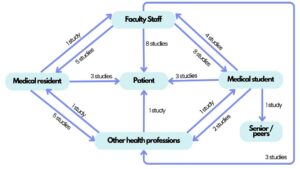
Figure 2. Respectful Relationships in Medical Education
4. What are exemplary actions of respect throughout studies?
Respect in medical education can be expressed by various actions. For instance, respect might be given to students by responding to questions properly (Marquardt et al., 2022), appreciating students’ work (Ekenze et al., 2013), and giving constructive feedback (Jung et al., 2021). On the other hand, respect toward residents was shown by providing autonomous clinical guidance (Wong, 2011) and acknowledging difficulties (Verhagen et al., 2024).
Several studies also described concrete forms of respect toward faculty staff, including polite communication and active engagement during teaching (Haque et al., 2016). The details are provided in Table 2. In medical education, respect could also be regulated by the faculty or institution in the form of targeted policies, such as workload restriction and mistreatment prevention policies. Institutions could also implement specific development programmes for students or faculty as needed (Ekenze et al., 2013).
5. What are the impacts of cultivating respect throughout studies?
Sociocultural impact was the most frequently mentioned effect of a culture of respect. Respect also enhanced trust among healthcare team members and minimized hierarchical gaps (Hazrati et al., 2020). For instance, respect could be portrayed by allowing discussion regarding medical errors and dilemmatic cases (Nagraj et al., 2018), which might foster interprofessional collaboration and improve patient care quality (Klinner et al., 2024).
A culture of respect also positively impacts psychological status. With the cultivation of respect in educational settings, students and residents might develop empathy, trust, inclusivity, and a sense of belonging in the learning process. They would be less afraid of making mistakes while learning and thus feel safer expressing their opinions in such environments (Howell et al., 2022; Karnieli-Miller et al., 2010; Klinner et al., 2024). Conversely, disrespectful culture might lead to psychological stress (Weiss et al., 2021), negativity (Karnieli-Miller et al., 2010), and moral distress (DiBrito et al., 2024).
A culture of respect might boost the academic outcomes of medical students and residents by providing more learning opportunities and clinical experiences (Gillespie et al., 2009; Klinner et al., 2024). Medical teachers also played significant roles as positive role models by giving constructive feedback to foster students’ confidence, motivation, and professionalism (Raikhel et al., 2024).
6. What are the barriers to cultivating respect throughout studies?
Extracting from 11 studies, challenges in cultivating respect involved several layers, including at the personal, interpersonal, and institutional levels. The most frequent challenge to cultivating respect was related to organizational aspects, particularly due to hierarchical cultures (Abedini et al., 2015; DiBrito et al., 2024; Klinner et al., 2024; Marquardt et al., 2022; Wong, 2011) and stressful workloads (Abedini et al., 2015; Elfassy et al., 2020; Marquardt et al., 2022; Verhagen et al., 2024).
From an interpersonal perspective, negative role models (Haque et al., 2016; Weiss et al., 2021), could also hinder the cultivation of respect because they tend to portray disrespectful behaviours toward others. In one study from Western countries, racial microaggressions also represented a barrier to health professionals’ respectful interaction.
Personal barriers derived from a lack of specific skills, namely cultural sensitivity (Weiss et al., 2021) and respectful communication. Some individuals could also perceive respect differently, seeing the same behaviours as mistreatment or disrespect. For instance, some faculty might unconsciously involve certain students less in clinical experience, for which these students might feel disrespected (Ekenze et al., 2013).
|
Orientation |
Study Count |
Exemplary Actions of Respect |
References |
|
|
Respect toward students and residents |
7 |
Acknowledging student/residents’ concerns Accepting sociocultural diversity among students |
(Ekenze et al., 2013; Gordon et al., 2012; Haque et al., 2016; Klinner et al., 2024; Marquardt et al., 2022; Raikhel et al., 2024; Weiss et al., 2021) |
|
|
Showing a respectful manner |
||||
|
Rejecting any form of bullying |
||||
|
Accepting questions from students/residents |
||||
|
Involvement in real clinical experiences |
||||
|
Appreciating students’ work and achievements |
||||
|
Giving feedback with polite language |
||||
|
Respect toward faculty |
4 |
Communicating politely |
(Ekenze et al., 2013; Haque et al., 2016; O′Flynn et al., 2014; Wong, 2011) |
|
|
Active engagement in teaching sessions |
||||
|
Greeting staff politely |
||||
|
Respect toward other health professionals |
7 |
Collaborating with other health professionals |
(Curry et al., 2011; Gillespie et al., 2009; Haque et al., 2016; Jauregui et al., 2016; Nagraj et al., 2018; Palvic et al., 2018; Verhagen et al., 2024) |
|
|
Giving clear briefings to healthcare teams |
||||
|
Respectfully resolving interdisciplinary conflict |
||||
|
Acknowledging other professionals’ contributions |
||||
|
Considering suggestions regarding patient care |
||||
|
Actively listening to other professionals’ concerns |
||||
|
Being willing to help with patient care |
||||
|
Showing gratitude for other professionals’ work |
||||
|
Courageously apologizing if necessary |
||||
|
Establishing rapport with healthcare teams |
||||
|
Respect toward patients |
12 |
Upholding patient privacy and dignity |
(Abedini et al., 2015; Curry et al., 2011; DiBrito et al., 2024; Elfassy et al., 2020; Gillespie et al., 2009; Haque et al., 2016; Howell et al., 2022; Jauregui et al., 2016; Jung et al., 2021; Karnieli-Miller et al., 2010; Klinner et al., 2024; Palvic et al., 2018) |
|
|
Treating patients equally |
||||
|
Being considerate of patients’ decisions |
||||
|
Respecting patients’ boundaries while teaching |
||||
|
Acknowledging patients’ feelings sincerely |
||||
|
Showing empathy |
||||
|
Giving compassionate care |
||||
|
Actively listening to patients’ stories |
||||
|
Showing professionalism in patient care |
||||
|
Taking history with appropriate questions |
||||
|
Communicating politely |
||||
|
Involving patients’ family members Respecting others’ time (being on time) |
||||
|
Respect for the learning environment |
1 |
Setting clear expectations for learning |
(Clay et al., 2022) |
|
|
Maintaining positivity for learning |
||||
|
Reinforcing constructive feedback |
||||
|
Respecting others’ time (being on time) |
||||
Table 2. Respectful Relationships in Medical Education
IV. DISCUSSION
Fundamentally, respect is a basic moral value that applies to all. Treating other people how we would like to be treated is a basic human obligation (Hazrati et al., 2020; Subramani & Biller-Andorno, 2022). According to Darwell, respect can be generated by valuing individuals’ merit (appraisal respect) or simply by human moral conscience (recognition respect) (Subramani & Biller-Andorno, 2022). Both concepts resonate well with the humanism concept in medical education, which depends on the “respect for others” principle (Karnieli-Miller et al., 2010). Nevertheless, the theoretical framework of respect in medical education settings is still lacking.
The unique sociocultural aspects of medical education might impact how respect should be conveyed (Subramani & Biller-Andorno, 2022). For instance, respect toward medical residents could be specifically demonstrated by giving autonomy to their clinical work (Wong, 2011), which might be irrelevant in other educational settings (Subramani & Biller-Andorno, 2022). Additionally, respect toward patients could be specifically portrayed by ensuring their confidentiality, involving their beliefs in decision-making, and delivering compassionate care (Elfassy et al., 2020; Hazrati et al., 2020; Karnieli-Miller et al., 2010). For students, respect could be portrayed by delivering constructive feedback (Jung et al., 2021) and involving them in relevant clinical work (Elfassy et al., 2020).
The authors believed that cultivating respect in medical education was important for several reasons. First, medical doctors treat patients with diverse conditions and sociocultural backgrounds (Subramani & Biller-Andorno, 2022). Internalizing respect could enhance their clinical skills, particularly in effective communication, active listening, empathy, and cultural awareness (Hazrati et al., 2020), which may benefit the quality of patient care. Second, medical doctors must collaborate with other health professionals, who have their own roles and perspectives in managing patients (Nagraj et al., 2018). In terms of mutual respect, health professionals must actively recognize others’ roles and capabilities, hence promoting mutual trust and interprofessional collaboration (Croker et al., 2016).
Generally, fostering respect could nurture students’ academic outcomes and professionalism, thus creating a supportive learning environment (Klinner et al., 2024; Raikhel et al., 2024). However, this review revealed multilevel barriers to cultivating respect in medical education. Consequently, due to hierarchical cultures, many of these disrespectful behaviours were skeptically reported or even misperceived as common culture in medical education (Claramita et al., 2022; DiBrito et al., 2024; Klinner et al., 2024). Work-related stress might also be associated with a high risk of moral distress and unprofessional behavior by fellow students or faculty. Moreover, Palvic et al. (2018) reported that some health professionals might be seen as negative role models, tending to feel superior to others, which might break the sense of teamwork and respectful interaction.
Another concerning issue was that, even with a presumably less hierarchical culture (Wong, 2011), disrespectful actions were still reported in Western medical education (DiBrito et al., 2024; Weiss et al., 2021). This might be due to individualism and a lack of social communalism in Western cultures, which leads to cynicism. Cynical people express much negativity and distrust towards others, which is the core of many disrespectful acts (Stavrova et al., 2020). Some also reported that residents from Western cultures tended to show professional arrogance, which might be another challenge to cultivating respect (Wong, 2011).
Concerning practical implications, the authors proposed that respect should be cultivated using multilevel interventional approaches. At the individual level, medical institutions should promote skills that enhance respect through various approaches, such as promoting cultural sensitivity (Weiss et al., 2021) and respectful communication skills (Elfassy et al., 2020). At the interpersonal level, the sense of interprofessional collaboration should be more emphasized, especially when encountering role conflicts. Medical faculty development programme is also warranted, particularly in developing positive role-modelling and respectful feedback delivery skills.
Lastly, at the institutional level, leaders should arrange a code of conduct for respectful interactions and promote policies of respect toward students and faculty (e.g., working hour restrictions, formal reporting system for disrespectful behaviours etc.). Concrete exemplary actions and commitments from educational leaders should be mandatory; otherwise, all codes and policies would work only on paper (Leape et al., 2012; Raikhel et al., 2024).
This scoping review also highlighted several research gaps that could be further explored. The current research lacked a theoretical framework for respect cultivation in medical education, which could be different from many perspectives. For instance, respect between faculty and medical students could be different from respect toward residents or other health professionals. Secondly, no valid instrument existed to properly assess respect culture in medical educational settings. Most studies used either self-made questionnaires or other constructs containing respect as one of their indicators (Ekenze et al., 2013; Gillespie et al., 2009). This could raise an issue regarding external validity. By comparison, other studies used more standardized assessment tools, such as the Perceived Workplace Civility Climate Scale and Nursing Civility Scale (Peng, 2023).
To the best of the authors’ knowledge, this is the first scoping review to summarize the nature of respect in the medical education context. Previous reviews have mentioned respect, but not as a single entity. Respect was more likely to be integrated with broader concepts such as professionalism (Desain et al., 2022) or cultural competence (Constantinou & Nikitara, 2023). By placing more attention on respect itself, we could further explore both the theoretical construct and practical aspects to cultivating respect in medical educational contexts. While the role of organizational-level leadership has been previously highlighted (Sokol-Hessner et al, 2021), this scoping review also emphasized the roles of personal, interpersonal, and sociocultural barriers to cultivating respect.
Several limitations are acknowledged in this study. First, the literature search and thematic analysis were performed manually by the authors, which might contribute to subjectivity. Second, studies written in non-English languages were excluded due to language barriers. Consequently, some studies discussing respect, especially from local Eastern journals, might be under-reported. Much room exists for further studies, particularly discussing the theoretical framework of respect in various medical education settings and developing specific approaches to cultivate respect in such contexts.
V. CONCLUSION
Respect in medical education is a multifaceted concept. Theoretical frameworks and specific instruments to assess the culture of respect in such settings were lacking. Therefore, medical education should focus on cultivating a culture of respect because it likely enhances academic outcomes, professional development, sense of trust, healthcare collaboration, and patient safety.
Notes on Contributors
Dr Leonaldo Lukito Nagaria developed ideas and methodology, conducted literature searching, synthesized the included data, wrote the initial draft, and finalized the manuscript.
Prof Dr Sri Linuwih Menaldi, Sp.D.V.E, Subsp.D.T, FINSDV, FAADV developed the ideas and methodology, synthesized the included data, and finalized the manuscript.
Prof Dr Diantha Soemantri, M.Med.Ed, Ph.D developed the ideas and methodology, synthesized the included data, and finalized the manuscript.
Ethical Approval
Ethical approval is not necessary as no human subjects or data were involved.
Data Availability
Extracted datasets are freely accessible at (https://doi.org/10.6084/m9.figshare.28479062).
Acknowledgement
We would like to thank all the staff from the Medical Education Department, Faculty of Medicine, University of Indonesia who also contributed to giving valuable feedback and support throughout the entire process.
Funding
This research received no specific funding or grant from any agencies in any sector.
Declaration of Interest
All authors confirmed no affiliation or conflict of interest with any related institutions regarding the study materials or issues.
References
Abedini, N. C., Danso-Bamfo, S., Kolars, J. C., Danso, K. A., Donkor, P., Johnson, T. R. B., & Moyer, C. A. (2015). Cross-cultural perspectives on the patient-provider relationship: A qualitative study exploring reflections from Ghanaian medical students following a clinical rotation in the United States. BMC Medical Education, 15(1), 161. https://doi.org/10.1186/s12909-015-0444-9
Aboumatar, H., Beach, M. C., Yang, T., Branyon, E., Forbes, L., & Sugarman, J. (2015). Measuring patients’ experiences of respect and dignity in the intensive care unit: A pilot study. Narrative Inquiry in Bioethics, 5(1A), 69A-84A. https://doi.org/10.1353/nib.2015.0005
Alotiby, A., Almaghrabi, M., Alosaimy, R., Alharthi, A., Khawandanah, B., Alansari, R., Basahal, A., & Zamil, G. (2021). Learning environment quality for medical students at umm al-qura university: A comprehensive study on stressors, sources, and solutions after introduction of a new Bachelor of Medicine and Bachelor of Surgery (MBBS) curriculum. Advances in Medical Education and Practice, 12, 1487–1497. https://doi.org/10.2147/AMEP.S343792
Arksey, H., & O’Malley, L. (2005). Scoping studies: Towards a methodological framework. International Journal of Social Research Methodology, 8(1), 19-32. https://doi.org/10.1080/1364557032000119616
Claramita, M., Findyartini, A., Samarasekera, D., & Nishigori, H. (2022). Challenges and opportunities in health professions education (1st ed). Springer. https://doi.org/10.1007/978-981-16-7232-3_14
Clay, A. S., Leiman, E. R., Theiling, B. J., Song, Y., Padilla, B. B. I., Hudak, N. M., Hartman, A. M., Hoder, J. M., Waite, K. A., Lee, H.-J., & Buckley, E. G. (2022). Creating a win-win for the health system and health profession’s education: A direct observation clinical experience with feedback in real-time (DOCENT) for low acuity patients in the emergency department. BMC Medical Education, 22(1), 66. https://doi.org/10.1186/s12909-022-03133-z
Constantinou, C. S., & Nikitara, M. (2023). The culturally competent healthcare professional: The RESPECT competencies from a systematic review of delphi studies. MDPI, 13(5), 127. https://doi.org/10.3390/soc13050127
Croker, A., Higgs, J., & Trede, F. (2016). Collaborating in healthcare: Reinterpreting therapeutic relationships (1st ed). Sense Publishers. https://doi.org/10.1007/978-94-6300-806-8
Curry, S. E., Cortland, C. I., & Graham, M. J. (2011). Role-modelling in the operating room: Medical student observations of exemplary behaviour. Medical Education, 45(9), 946–957. https://doi.org/10.1111/j.1365-2923.2011.04014.x
Dabekaussen, K. F. A. A., Scheepers, R. A., Heineman, E., Haber, A. L., Lombarts, K. M. J. M. H., Jaarsma, D. A. D. C., & Shapiro, J. (2023). Health care professionals’ perceptions of unprofessional behaviour in the clinical workplace. PLOS ONE, 18(1), Article e0280444. https://doi.org/10.1371/journal.pone.0280444
Desai, M. K., Kapadia, J. D. (2022). Medical professionalism and ethics. Journal of Pharmacology and Pharmacotherapeutics, 13(2), 113-118. https://doi.org/10.1177/0976500X221111448
DiBrito, S., Mago, J., Reczek, A., Suresh, D., Kim, D., Jacoby, L., & Shelton, W. (2024). Medical student perspectives on professionalism in a third-year surgery clerkship – A mixed methods study. Journal of Surgical Education, 81(11), 1720–1729. https://doi.org/10.1016/j.jsurg.2024.08.018
Ekenze, S. O., Ugwumba, F. O., Obi, U. M., & Ekenze, O. S. (2013). Undergraduate surgery clerkship and the choice of surgery as a career: Perspective from a developing country. World Journal of Surgery, 37(9), 2094–2100. https://doi.org/10.1007/s00268-013-2073-y
Elfassy, M. D., Duncan, L., Green, A., Sun, H., Guimond, T., Tzanetos, K., & Nyhof-Young, J. (2020). Patients as teachers: Evaluating the experiences of volunteer inpatients during medical student clinical skills training. Canadian Medical Education Journal, 11(6), e8-16. https://doi.org/10.36834/cmej.70158
Gillespie, C., Paik, S., Ark, T., Zabar, S., & Kalet, A. (2009). Residents’ perceptions of their own professionalism and the professionalism of their learning environment. Journal of Graduate Medical Education, 1(2), 208–215. https://doi.org/10.4300/JGME-D-09-00018.1
Gonzalo, J. D., Heist, B. S., Duffy, B. L., Dyrbye, L., Fagan, M. J., Ferenchick, G., Harrell, H., Hemmer, P. A., Kernan, W. N., Kogan, J. R., Rafferty, C., Wong, R., & Elnicki, D. M. (2014). Identifying and overcoming the barriers to bedside rounds: A multicenter qualitative study. Academic Medicine, 89(2), 326–334. https://doi.org/10.1097/ACM.0000000000000100
Gordon, J., Markham, P., Lipworth, W., Kerridge, I., & Little, M. (2012). The dual nature of medical enculturation in postgraduate medical training and practice. Medical Education, 46(9), 894–902. https://doi.org/10.1111/j.1365-2923.2012.04301.x
Gruppen, L. D. (2014). Humility and respect: Core values in medical education. Medical Education, 48(1), 53–58. https://doi.org/10.1111/medu.12269
Haque, M., Zulkifi, Z., Zohurul Haque, S., Kamal, Z., Salam, A., Bhagat, V., Ghazi Alattraqchi, A., & A Rahman, N. I. (2016). Professionalism perspectives among medical students of a novel medical graduate school in Malaysia. Advances in Medical Education and Practice, 7, 407–422. https://doi.org/10.2147/AMEP.S90737
Hazrati, H., Bigdeli, S., Gavgani, V. Z., Soltani Arabshahi, S. K., Behshid, M., & Sohrabi, Z. (2020). Humanism in clinical education: A mixed methods study on the experiences of clinical instructors in Iran. Philosophy, Ethics, and Humanities in Medicine, 15(1), 5. https://doi.org/10.1186/s13010-020-00088-1
Howell, H. B., Desai, P. V., Altshuler, L., McGrath, M., Ramsey, R., Vrablik, L., Levy, F. H., & Zabar, S. (2022). Teaching and assessing communication skills in pediatric residents: How do parents think we are doing? Academic Pediatrics, 22(2), 179–183. https://doi.org/10.1016/j.acap.2021.06.011
Jauregui, J., Gatewood, M., Ilgen, J., Schaninger, C., & Strote, J. (2016). Emergency medicine resident perceptions of medical professionalism. Western Journal of Emergency Medicine, 17(3), 355–361. https://doi.org/10.5811/westjem.2016.2.29102
Jung, S., Greenberg, J., O’Rourke, A. P., Minter, R. M., Foley, E., & Voils, C. I. (2021). Comparison of the perspectives of medical students and residents on the surgery learning environment. Journal of Surgical Research, 258, 187–194. https://doi.org/10.1016/j.jss.2020.08.070
Karani, R. (2015). Enhancing the medical school learning environment: A complex challenge. Journal of General Internal Medicine, 30(9), 1235–1236. https://doi.org/10.1007/s11606-015-3422-3
Karnieli-Miller, O., Taylor, A. C., Cottingham, A. H., Inui, T. S., Vu, T. R., & Frankel, R. M. (2010). Exploring the meaning of respect in medical student education: An analysis of student narratives. Journal of General Internal Medicine, 25(12), 1309–1314. https://doi.org/10.1007/s11606-010-1471-1
Klinner, C., Dario, A. B., Bell, A., Nisbet, G., Penman, M., & Monrouxe, L. V. (2024). Beyond mere respect: New perspectives on dignity for healthcare workplace learning. Frontiers in Medicine, 10, Article 1274364. https://doi.org/10.3389/fmed.2023.1274364
Leape, L. L., Shore, M. F., Dienstag, J. L., Mayer, R. J., Edgman-Levitan, S., Meyer, G. S., & Healy, G. B. (2012). Perspective: A culture of respect, part 2: Creating a culture of respect. Academic Medicine: Journal of the Association of American Medical Colleges, 87(7), 853–858. https://doi.org/10.1097/ACM.0b013e3182583536
Lim, S., Goh, E. Y., Tay, E., Tong, Y. K., Chung, D., Devi, K., Tan, C. H., & Indran, I. R. (2022). Disruptive behavior in a high-power distance culture and a three-dimensional framework for curbing it. Health Care Management Review, 47(2), 133–143. https://doi.org/10.1097/HMR.0000000000000315
Marquardt, D., Langdale, L., Kim, S., Leroux, B., Friedrich, J., Schreuder, A. B., & Wood, D. E. (2022). Closing the gap: Triangulation of surgeons’ respectful behaviours perceived by medical students, residents, and patients. Surgery, 172(1), 96–101. https://doi.org/10.1016/j.surg.2021.11.036
Nagraj, S., Harrison, J., Hill, L., Bowker, L., & Lindqvist, S. (2018). Promoting collaboration in emergency medicine. The Clinical Teacher, 15(6), 500–505. https://doi.org/10.1111/tct.12762
O′Flynn, S., Power, S., Horgan, M., & O′Tuathaigh, C. M. P. (2014). Attitudes towards professionalism in graduate and non-graduate entrants to medical school. Education for Health, 27(2), 200–204. https://doi.org/10.4103/1357-6283.143770
Pavlic, A., Liu, D., Baker, K., House, J., Byrd, M., Martinek, T., O’Leary, D., & Santen, S. (2018). Behind the curtain: The nurse’s voice in assessment of residents in the emergency department. Western Journal of Emergency Medicine, 20(1), 23–28. https://doi.org/10.5811/westjem.2018.10.39821
Peng, X. (2023). Advancing workplace civility: A systematic review and meta-analysis of definitions, measurements, and associated factors. Frontiers in Psychology, 14, Article 1277188. https://doi.org/10.3389/fpsyg.2023.1277188
Raikhel, A. V., Starks, H., Berger, G., & Redinger, J. (2024). Through the looking glass: Comparing hospitalists’ and internal medicine residents’ perceptions of feedback. Cureus, 16(6), Article e63459. https://doi.org/10.7759/cureus.63459
Rozaliyani, A., Wasisto, B., Santosa, F., Sjamsuhidajat, R., & Setiabudy, R. (2019). Bullying (perundungan) di lingkungan pendidikan kedokteran [Bullying in medical education]. Jurnal Etika Kedokteran Indonesia, 3(2), 56–60.
Sokol-Hessner, L., Folcarelli, P. H., Annas, C. L., Brown, S. M., Fernandez, L., Roche, S. D., Lee, B. S., & Sands, K. E. (2018). A road map for advancing the practice of respect in health care: The results of an interdisciplinary modified delphi consensus study. The Joint Commission Journal on Quality and Patient Safety, 44(8), 463-476. https://doi.org/10.1016/j.jcjq.2018.02.003
Stavrova, O., Ehlebracht, D., & Vohs, K. D. (2020). Victims, perpetrators, or both? The vicious cycle of disrespect and cynical beliefs about human nature. Journal of Experimental Psychology: General, 149(9), 1736–1754. https://doi.org/10.1037/xge0000738
Subramani, S., & Biller-Andorno, N. (2022). Revisiting respect for persons: Conceptual analysis and implications for clinical practice. Medicine, Health Care and Philosophy, 25(3), 351–360. https://doi.org/10.1007/s11019-022-10079-y
Verhagen, M. J., Frouws, M. A., Timmer, R. A., Schepers, A., Brunsveld-Reinders, A. H., De Vos, M. S., & Hamming, J. F. (2024). How to support communication between nurses and residents during shift work: A mixed-methods study into local practices and perceptions. Journal of Surgical Education, 81(8), 1034–1043. https://doi.org/10.1016/j.jsurg.2024.05.017
Weiss, J., Balasuriya, L., Cramer, L. D., Nunez-Smith, M., Genao, I., Gonzalez-Colaso, R., Wong, A. H., Samuels, E. A., Latimore, D., Boatright, D., & Sharifi, M. (2021). Medical students’ demographic characteristics and their perceptions of faculty role modeling of respect for diversity. JAMA Network Open, 4(6), e2112795. https://doi.org/10.1001/jamanetworkopen.2021.12795
Wong, A. K. (2011). Culture in medical education: Comparing a thai and a canadian residency programme. Medical Education, 45(12), 1209–1219. https://doi.org/10.1111/j.1365-2923.2011.04059.x
*Leonaldo Lukito Nagaria
Department of Medical Education
Faculty of Medicine, University of Indonesia
Jalan Salemba Raya No 6,
Jakarta 10430, Indonesia
Email: leonaldo.lukito@ui.ac.id
Announcements
- Best Reviewer Awards 2025
TAPS would like to express gratitude and thanks to an extraordinary group of reviewers who are awarded the Best Reviewer Awards for 2025.
Refer here for the list of recipients. - Most Accessed Article 2025
The Most Accessed Article of 2025 goes to Analyses of self-care agency and mindset: A pilot study on Malaysian undergraduate medical students.
Congratulations, Dr Reshma Mohamed Ansari and co-authors! - Best Article Award 2025
The Best Article Award of 2025 goes to From disparity to inclusivity: Narrative review of strategies in medical education to bridge gender inequality.
Congratulations, Dr Han Ting Jillian Yeo and co-authors! - Best Reviewer Awards 2024
TAPS would like to express gratitude and thanks to an extraordinary group of reviewers who are awarded the Best Reviewer Awards for 2024.
Refer here for the list of recipients. - Most Accessed Article 2024
The Most Accessed Article of 2024 goes to Persons with Disabilities (PWD) as patient educators: Effects on medical student attitudes.
Congratulations, Dr Vivien Lee and co-authors! - Best Article Award 2024
The Best Article Award of 2024 goes to Achieving Competency for Year 1 Doctors in Singapore: Comparing Night Float or Traditional Call.
Congratulations, Dr Tan Mae Yue and co-authors! - Best Reviewer Awards 2023
TAPS would like to express gratitude and thanks to an extraordinary group of reviewers who are awarded the Best Reviewer Awards for 2023.
Refer here for the list of recipients. - Most Accessed Article 2023
The Most Accessed Article of 2023 goes to Small, sustainable, steps to success as a scholar in Health Professions Education – Micro (macro and meta) matters.
Congratulations, A/Prof Goh Poh-Sun & Dr Elisabeth Schlegel! - Best Article Award 2023
The Best Article Award of 2023 goes to Increasing the value of Community-Based Education through Interprofessional Education.
Congratulations, Dr Tri Nur Kristina and co-authors! - Best Reviewer Awards 2022
TAPS would like to express gratitude and thanks to an extraordinary group of reviewers who are awarded the Best Reviewer Awards for 2022.
Refer here for the list of recipients. - Most Accessed Article 2022
The Most Accessed Article of 2022 goes to An urgent need to teach complexity science to health science students.
Congratulations, Dr Bhuvan KC and Dr Ravi Shankar. - Best Article Award 2022
The Best Article Award of 2022 goes to From clinician to educator: A scoping review of professional identity and the influence of impostor phenomenon.
Congratulations, Ms Freeman and co-authors.