Innovative teaching-learning methods of pandemic module: A qualitative needs assessment in India

Submitted: 10 March 2026
Accepted: 13 July 2026
Published online: 6 October, TAPS 2026, 11(4), 54-64
https://doi.org/10.29060/TAPS.2026-11-4/OA4042
Yuvaraj Krishnamoorthy1, Arivarasan Barathi2, Dhanajayan Govindan2, Suthanthira Kannan2, Venmathi Elangovan2 & Deivasigamani Kuberan3
1Head, Evidence Synthesis Unit, Partnership for Research, Opportunities, Planning, Upskilling and Leadership (PROPUL) Evidence LLP, Chennai, India; 2Department of Community Medicine, ESIC Medical College and Hospital, Chennai, India; 3Department of Community Medicine, ESIC Medical College and Hospital, Bengaluru, India
Abstract
Introduction: COVID-19 pandemic has underscored critical deficits in global health preparedness. Traditional lecture-based teaching is frequently criticised for its limited effectiveness in practical skills required for real-world crisis response, creating significant “readiness gap”. Hence, this study was done to evaluate perceived necessity and importance of innovative teaching-learning methods for the pandemic module amongst medical undergraduates.
Methods: Qualitative needs assessment was conducted using an interpretive description approach to explore stakeholder perspectives regarding the existing pandemic management teaching module and public health preparedness training within the undergraduate Community Medicine curriculum. Three focus group discussions were held with 28 purposively sampled participants at tertiary care teaching hospital, comprising faculty from Community Medicine (n=10), medical students who had completed pandemic training (n=10), and students awaiting training (n=8). Data were audio-recorded, transcribed verbatim, and analysed using manual thematic analysis.
Results: Analysis identified four central themes. First, profound theory-practice gap in existing teaching, inadequately preparing students for real-world scenarios. Second, simulation and gamification were widely endorsed as promising, engaging solutions for teaching complex skills like outbreak investigation. Third, significant implementation barriers were anticipated, including resource limitations (time, technology), faculty capacity gaps, and need for cultural contextualisation. Fourth, stakeholders advocated for fundamental shift in assessment strategy towards practical, formative methods like OSCEs and peer feedback to align with innovative teaching.
Conclusion: This study provides clear, stakeholder-driven mandate for transforming pandemic module through experiential learning. While simulation and gamification are seen as viable solutions, successful integration requires structured approach addressing faculty development, resource allocation, co-design with stakeholders and realigned assessment framework.
Keywords: Needs Assessment, Medical Education, Pandemic Preparedness, Simulation, Gamification, Qualitative Research, Competency-Based Education
Practice Highlights
- Medical undergraduates perceive a significant gap between theoretical and real-world teaching.
- Simulation and gamification are strongly endorsed by both faculty and students as engaging method
- Resource constraints, faculty training needs, and technological limitations are key barriers
- Participants recommended shifting toward practical and formative assessment methods
- Stakeholder-driven curriculum redesign, is essential for effective pandemic preparedness education.
I. INTRODUCTION
The 21st century has been marked by recurrent public health emergencies, from SARS and H1N1 to the profound global disruption caused by the COVID-19 pandemic (Pollard et al., 2020). These events have starkly revealed vulnerabilities in health systems and underscored the non-negotiable need for a medically literate workforce proficient in pandemic prevention, preparedness, response, and recovery competencies (Joseph & Kutty Narayanan, 2022). For medical undergraduates, who will form the front line of future health crises, acquiring these competencies is not merely an academic exercise but a fundamental professional obligation (Frenk et al., 2010).
In the Indian undergraduate medical curriculum, the “pandemic module” refers to a structured component within Community Medicine training that addresses principles of outbreak investigation, infection prevention and control, surveillance systems, risk communication, public health emergency response, and interdisciplinary coordination during pandemics and epidemics. Following the COVID-19 pandemic, the National Medical Commission (NMC) emphasised competency-based approaches to public health preparedness; however, implementation across institutions has largely remained lecture-oriented with limited experiential or simulation-based training. Consequently, students often receive theoretical exposure without adequate opportunities to develop applied crisis-management competencies.
Historically, teaching in public health and community medicine, including pandemic management, has often relied heavily on didactic lectures and seminar-based formats. While efficient for transmitting foundational knowledge, these traditional pedagogical approaches have been criticised for their limited effectiveness in fostering higher-order cognitive skills, clinical reasoning, and the practical, often interprofessional, capabilities required in real-world crisis scenarios (Norman, 2012). The complex, dynamic, and high-stakes nature of pandemic management, encompassing outbreak investigation, risk communication, ethical decision-making under resource constraints, and systems-thinking, demands educational strategies that move beyond passive knowledge transfer (Voges et al., 2023).
In India, the Competency-Based Medical Education (CBME) curriculum introduced by the NMC emphasises the development of competencies related to public health preparedness, outbreak response, communication, teamwork, and health systems understanding. Although pandemic-related topics are incorporated primarily within Community Medicine training, implementation across many institutions continues to rely predominantly on didactic lectures and seminar-based teaching. Previous educational efforts during and after the COVID-19 pandemic demonstrated substantial variability in preparedness training, with limited integration of structured simulation exercises, interdisciplinary drills, or experiential learning approaches. Consequently, many undergraduate students remain insufficiently exposed to practical crisis-response scenarios despite curricular expectations for competency-based learning.
In recent years, health professions education has increasingly embraced technology-enhanced and experiential learning methodologies. The COVID-19 pandemic accelerated the adoption of innovative educational strategies worldwide, including virtual learning, simulation-based education, serious gaming, and technology-enabled collaborative learning approaches (Tan et al., 2022). Simulation-based education (SBE) and gamification have emerged as powerful tools. SBE creates realistic, controlled environments where learners can practice skills, make decisions, and experience consequences without risk to patients (Elendu et al., 2024). Gamification applies game-design elements (e.g., points, levels, challenges, immediate feedback) in non-game contexts to increase motivation, engagement, and persistence in learning (Wulan et al., 2024). These methods align with adult learning principles and have shown promise in improving knowledge retention, skill performance, and learner satisfaction in various medical domains (Cook et al., 2013; van Gaalen et al., 2021).
However, the integration of such innovations into established curricula is not without challenge. It requires significant investment in faculty development, technological infrastructure, and curricular time (Davis & Jacobsen, 2014). More critically, it necessitates a clear understanding of the specific educational needs, contextual realities, and stakeholder perceptions, a process foundational to any successful educational design (Thomas et al., 2022).
Guided by frameworks for translational research in education, this phase represents the crucial “idea generation” and stakeholder engagement step (Ryder & Jacob, 2022). It seeks to answer whether there is a perceived need for change, what that change should look like, and what barriers must be surmounted. By capturing the voices of both learners (students at different stages of exposure) and teachers (faculty), this study aims to generate an evidence-based foundation for the subsequent co-design and implementation of an innovative, effective, and contextually relevant pandemic management curriculum. Hence, this needs assessment study was done to evaluate perceived necessity and importance of innovative teaching-learning methods for pandemic module amongst medical undergraduates.
II. METHODS
A. Research Design and Approach
This qualitative study employed an interpretive description approach. This methodological framework is suited to applied disciplines like health professions education. Interpretive description was specifically selected over methodologies such as phenomenology or grounded theory because the objective of this study was not to generate theory or explore lived experiences in isolation, but rather to develop practice-oriented insights directly applicable to curriculum design and educational implementation. This approach is particularly valuable in health professions education research where the goal is to generate clinically and educationally meaningful understanding capable of informing pragmatic interventions and curricular reform.
B. Study Setting
The study was conducted at the Department of Community Medicine in a large, publicly funded tertiary care and teaching hospital at Chennai, Tamil Nadu, India. The department is responsible for delivering the pandemic management module to third-year medical undergraduates (part of the Bachelor of Medicine, Bachelor of Surgery – MBBS program). The existing module, prior to this assessment, was primarily delivered through lectures and seminars.
C. Study Participants
A purposive sampling strategy was used to ensure a diverse range of perspectives and to capture experiences from different vantage points related to the pandemic module. Maximum variation was sought within the defined stakeholder groups. The participant groups were:
- Departmental Faculty (n=10): Teaching staff from the Department of Community Medicine with direct experience in designing and/or delivering the pandemic module using existing methods.
- Post-Pandemic Training Students (n=10): Medical students in their third professional year, part-I MBBS, who had already completed the pandemic module training as per the existing curriculum
- Pre-Pandemic Training Students (n=8): Medical students in their second professional year MBBS who were scheduled to undertake the pandemic module in the upcoming academic year.
This tripartite structure allowed for the exploration of retrospective experiences, anticipatory expectations, and instructional perspectives, ensuring a comprehensive needs assessment. All participants provided written informed consent.
D. Data Collection
Data were collected through Focus Group Discussions (FGDs). Three separate FGDs were conducted, one for each participant group, to foster open dialogue within peer cohorts and reduce power dynamics. Each FGD was planned for 60-90 minutes and was facilitated by a trained moderator not involved in the students’ assessment to encourage candid discussion. The discussions were held in a quiet meeting room within the institution.
A semi-structured discussion guide was developed to ensure consistency while allowing for emergent topics. The guide covered:
- Experiences and perceptions of existing teaching-learning methods for the pandemic
- Perceived strengths and weaknesses of current
- Learning preferences, needs, and expectations for innovative methods (simulation, gamification).
- Anticipated challenges in implementing new
- Suggestions for evaluating new teaching-learning
With participant consent, all FGDs were audio-recorded. Detailed field notes and a sociogram were also maintained during each session to capture non-verbal cues, group dynamics, and interaction patterns.
E. Data Analysis
The audio recordings were transcribed verbatim. A manual thematic analysis was employed, using both deductive and inductive approaches. Two independent investigators initially familiarised themselves with the data. An initial coding framework was developed deductively based on the broad topics of the discussion guide. The transcripts were then coded line-by-line, allowing for new, inductive codes to emerge from the data itself.
Two investigators compared their coding, and discrepancies were resolved through discussion or by consulting a third senior investigator to enhance analytical rigor and trustworthiness. Codes were then collated into potential themes and sub-themes, which were reviewed, refined, and defined. A thematic framework focused on “Current Practices, Innovations, and Challenges of Pandemic Module Teaching” was finalised. Vivid and illustrative quotations that encapsulated the essence of each theme were identified and extracted. To enhance interpretive credibility, summary interpretations of the identified themes were informally discussed with a subset of participants from each stakeholder group to ensure that the findings adequately reflected their perspectives and experiences. Data collection and analysis proceeded iteratively until thematic saturation was reached, defined as the point at which no substantially new codes, categories, or thematic insights emerged from subsequent discussions.
Thematic saturation was monitored concurrently with data collection and analysis. Following each focus group discussion, transcripts were reviewed and coded independently by two investigators. Emerging codes and categories were compared across participant groups using a constant comparative approach. By the third focus group discussion, no substantially new codes, categories, or conceptual insights relevant to the study objectives emerged. The research team conducted consensus meetings after each round of coding and concluded that additional discussions were unlikely to generate novel thematic information. Therefore, thematic saturation was considered achieved after the third focus group discussion.
F. Ethics Approval
Ethical approval for this study was obtained from the Institutional Review Board (IRB) of the tertiary care teaching hospital. All procedures performed were in accordance with the ethical standards of the IRB and with the 1964 Helsinki declaration and its later amendments.
III. RESULTS
In total, three FGDs were conducted with 28 participants, comprising eight pre-pandemic training medical students (in second professional year MBBS), ten post-pandemic training medical students (in third professional year part-I MBBS) and ten departmental faculties. The below Figure 1 shows an example sociogram made during one of the FGDs to depict the level of interaction between the participants with the moderator.
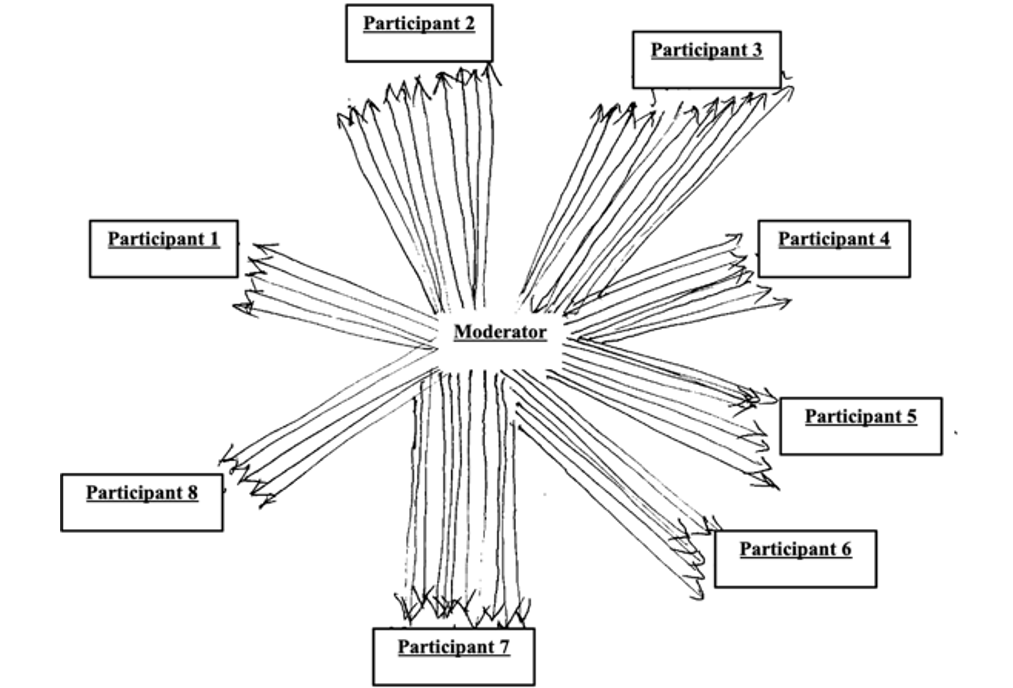
Figure 1. Sociogram of Focused Group Discussions
Table 1 shows the findings of the three FGDs and has focused on the perceptions of the students and faculties on the current practices, innovations and anticipated challenges in pandemic module teaching of medical undergraduate students.
|
Theme |
Stakeholder Group |
Key Categories Identified |
Illustrative Quote |
|
Theme 1: Perception and status of pandemic module teaching |
Pre-pandemic training students |
Need for greater practical exposure; bridging the theory–practice gap; preference for case-based learning |
“Case studies on real pandemics would help us understand better. Just theoretical knowledge doesn’t give us the complete picture.” |
|
Post-pandemic training students |
Lack of preparedness for real-world scenarios; learning from previous pandemics; preference for practical sessions |
“I think the current classes don’t prepare us enough for what really happens. We need more exposure to what actually goes on during a pandemic.” |
|
|
Department faculty |
Limitations of traditional teaching methods; need for practical skill development; importance of critical thinking |
“Traditional lectures are essential for delivering foundational knowledge, but they rarely equip students with the practical skills and critical thinking abilities they need.” |
|
|
Theme 2: Perceptions on simulation and gamification |
Pre-pandemic training students |
Different learning preferences; curiosity regarding gamification; openness towards innovation |
“Different people learn differently. Some might get more from a game or a simulation than from a book or lecture.” |
|
Post-pandemic training students |
Preference for blended learning approaches; increased engagement; reduction of lecture monotony |
“We can use two or more techniques alternatively, not one thing throughout…” |
|
|
Department faculty |
Potential for outbreak investigation training; crisis communication training; enhanced student engagement |
“We see great potential in using simulation and gamification to teach practical skills like outbreak investigation and crisis communication.” |
|
|
Theme 3: Anticipated implementation challenges |
Pre-pandemic training students |
Time constraints; technological limitations; curriculum overload concerns |
“It’s important that these new methods don’t just add to the workload but replace some of the less effective parts of the curriculum.” |
|
Post-pandemic training students |
Unequal participation; lack of interest among some learners; need for active engagement |
“If everyone doesn’t take it seriously or if some are just sitting back and letting others do the work, the whole point could be lost.” |
|
|
Department faculty |
Resource limitations; faculty readiness; cultural and contextual adaptation; resistance to change |
“Even some faculty members might resist these changes. They’re used to a certain way of teaching, and this requires them to step out of their comfort zone.” |
|
|
Theme 4: Suggested evaluation and feedback techniques |
Pre-pandemic training students |
Use of OSCE/OSPE; continuous feedback; assessment of participation |
“I think performing OSCEs and OSPEs, which we are expected to perform after graduation, would be a better method for evaluation. Students could also be asked to design a simulation or gamification activity themselves, which would help teachers assess how well they understood the topic, the key points they covered, and their level of creativity” |
|
Post-pandemic training students |
Process-oriented assessment; peer feedback; active participation |
“The process is just as important as the outcome. We should be evaluated on how we engage with the material.” |
|
|
Department faculty |
Multi-source feedback; self-reflection; formative assessments; checkpoint quizzes |
“It’s important to get feedback from different perspectives – not just from instructors but also from peers and through self-reflection.” |
Table 1. Perception of medical students and faculties on current practices of pandemic module teaching, possible innovations, and potential challenges
A. Theme 1: Perception and Status of Pandemic Module Teaching – A Theory-Practice Chasm
This theme encapsulates the widespread consensus across all stakeholder groups that existing teaching methods were insufficiently connected to the practical realities of pandemic management, creating a significant preparedness gap. Students who had completed the module felt ill-equipped for real-world crisis scenarios, criticising an over-reliance on theoretical lectures that failed to convey the complexity and dynamism of an actual pandemic. Their feedback consistently pointed to a desire for pedagogical shift towards interactive and practical learning, with explicit requests for field visits, role-playing exercises simulating outbreak response teams, and deep dives into real-life case studies from historical pandemics. Faculty members concurred with this assessment, acknowledging that while traditional lectures were essential for building foundational knowledge, they were inherently limited in developing the practical competencies and critical thinking required for pandemic management. Some faculty critically described current curriculum efforts as superficial, akin to repackaging old content, indicating a deep-seated recognition that substantive methodological innovation was needed.
“I think the current classes don’t prepare us enough for what really happens. We need more exposure to what actually goes on during a pandemic.” – Post-training student, 25 year-old female
“Case studies on real pandemics would help us understand better. Just theoretical knowledge doesn’t give us the complete picture.” – Pre-training student, 26 year-old male
“Instead of a seminar, I think it’s better to have role-play with real-time scenarios.” – Post-training student, 25 year-old male
“We want to know how people faced the issues in the past like the Spanish flu, the Ebola crisis, and how they tackled it. So that we can apply those learnings to the present and future pandemics.” – Post-training student, 24 year-old female
“Traditional lectures are essential for delivering foundational knowledge, but they rarely equip students with the practical skills and critical thinking abilities they need. To bridge this gap, we must integrate more hands-on and interactive methods into our teaching.” – Faculty, 28 year-old male
“While traditional lectures lay the foundation, they often fall short in keeping students engaged. We need to explore innovative approaches… especially in developing practical competencies.” – Faculty, 35-year-old female
B. Theme 2: Perceptions on Simulation and Gamification – Promise, Novelty, and Pedagogical Value
This theme explores stakeholder perceptions of simulation and gamification as potential solutions to the identified theory-practice gap. Students, despite initial unfamiliarity with the term ‘gamification’, expressed immediate interest and openness upon explanation. They perceived both methods as vehicles to significantly enhance engagement, understanding, and knowledge retention. Many noted that gamification could particularly engage peers with lower interest in theoretical topics. Students also intuitively understood the value of differentiated instruction, suggesting a blended approach where methods are alternated to cater to various learning styles and maintain momentum. Faculty viewed these innovative methods not as novelties but as strategic pedagogical tools with specific applications. They highlighted the potential of simulation to create safe, controlled environments for practicing high-stakes skills like outbreak investigation and crisis communication. Similarly, they saw gamification as a means to break down complex, abstract public health concepts into more digestible and engaging experiences that could transform learning from passive reception to active participation.
“Simulation would be more useful. But the term gamification was a new term to me. As per you said, both would be useful, and it could be split into equal time limits.” – Pre-training student, 24 year-old female
“Gamification will also help to gain the interest of people who have very less interest in this particular topic… Gamification seems to be more fun. So, it will gain the interest of many people.” – Post-training student, 25 year-old male
“We see great potential in using simulation and gamification to teach practical skills like outbreak investigation and crisis communication. These methods allow students to practice and refine their abilities in a controlled, risk-free environment, which is crucial for building confidence and competence.” – Faculty, 28-year-old male
“Simulation and gamification offer us innovative ways to break down complex concepts within the pandemic module. These tools can transform abstract ideas into tangible experiences, making it easier for students to grasp and apply what they learn.” – Faculty, 36- year-old male
C. Theme 3: Anticipated Implementation Challenges – Navigating Logistical and Cultural Hurdles
Despite strong enthusiasm for innovative teaching methods, participants anticipated several challenges to sustainable implementation. The most frequently cited barriers were resource and logistical constraints, including limited curricular time, inadequate technological infrastructure, lack of dedicated simulation spaces, and difficulties conducting interactive activities for large student groups. Faculty members highlighted the need for technical training, pedagogical upskilling, and substantial effort in designing meaningful simulations and gamified learning experiences. Students expressed concerns regarding unequal participation and the possibility that some learners may not engage seriously with game-based activities.
These concerns may be particularly relevant within the Indian medical education context, which has traditionally emphasised teacher-centred instruction, hierarchical student–teacher relationships, and examination-focused learning. Consequently, innovative approaches such as simulation and gamification may initially be perceived as less rigorous than conventional lectures. Successful implementation will therefore require not only adequate resources and faculty development but also cultural adaptation within institutions to promote acceptance of active, learner-centred educational approaches.
“Another very important resource is time, sir. Because one period we can’t do as we said, so at least we need two or three class periods too.” – Pre-training student, 24 year-old female
“Designing and implementing these methods require significant preparation time, substantial resources, and figuring out how to effectively scale them for larger classes could be quite challenging.” – Faculty, 31 year-old male
“We share concerns about the logistical hurdles and resource demands that come with integrating simulation and gamification into our existing curriculum. These innovative methods require careful planning and substantial resources, which could be difficult to manage alongside our current teaching commitments’ – Faculty, 30 year-old female
“Also, the teacher must be very creative because some topics are very volatile. It can’t be gamified or simulated.” – Student, 20 year-old, male
“If everyone doesn’t take it seriously or if some are just sitting back and letting others do the work, the whole point of gamification or simulation could be lost.” – Post-training student, 25 year-old female
“It’s crucial that any new teaching methods, like simulation and gamification, are not only innovative but also culturally relevant and contextually appropriate for our students. We need to ensure that these approaches resonate with their backgrounds and learning environments to be truly effective.” – Faculty, 37-year-old male
D. Theme 4: Suggested Evaluation and Feedback Techniques – Aligning Assessment with Innovation
Participants recognised that introducing innovative teaching methods would necessitate a parallel evolution in assessment strategies to ensure constructive alignment. There was a strong, cross-stakeholder call for assessments that evaluate not just acquired knowledge, but also the process of learning, practical application, and the development of soft skills like teamwork, communication, and critical thinking. Students emphasised that their engagement and involvement in activities should be valued. Participants suggested a move towards more authentic and formative assessment methods better suited to experiential learning. These included Objective Structured Clinical Examinations (OSCEs) for testing scenario-based competencies, incorporating peer assessment for multi-source feedback, and employing continuous feedback mechanisms like reflective journals or in-activity checkpoints. A notable suggestion was using creative outputs, such as asking students to design their own simulation scenarios, as a means to assess deep understanding and synthesis. Faculty echoed this need for a robust, multi-method evaluation framework to truly gauge the impact of new pedagogical approaches.
“The process is just as important as the outcome. We should be evaluated on how we engage with the material, not just on the final result.” – Post-training student, 25 year-old female
“I think even our involvement must be evaluated, sir. Because I may be involved, but I may not get marks, but that doesn’t mean that I failed. I showed my interest. That should also be evaluated.” – Pre-training student, 24 year-old female
“I think performing OSCEs and OSPEs which we are actually supposed to do after we qualify or graduate, I think that is a better method for evaluation. We can actually ask the student to create a simulation or gamification method so that the teacher will know what points the student is able to cover and how creative they are and what they understood from our teaching.” – Pre-training student, 23 year-old male
“To truly gauge the impact of simulation and gamification, we must implement and rigorously assess their effectiveness in enhancing student learning and skill development.” – Faculty, 30 year-old male
“We should employ a mix of qualitative and quantitative indicators to measure the success of integrating simulation and gamification. This includes gathering student feedback, evaluating performance in practical assessments, and monitoring the long-term retention of skills to ensure these methods truly enhance our curriculum.” – Faculty, 36 year-old female
IV. DISCUSSION
This needs assessment provides a clear, stakeholder-driven mandate for transforming pandemic module education for medical undergraduates. The findings consistently point to a significant perceived gap between the competencies required for real-world pandemic management and those developed through prevailing lecture-based pedagogy. This “readiness gap” is not unique to this institution but resonates with broader, pre-pandemic critiques of traditional public health and disaster education, which has historically been criticised for being overly theoretical and inadequately preparing learners for the complexities of real- world response (Ardekani et al., 2021; Daily et al., 2010). The COVID-19 pandemic has starkly exposed this educational shortfall globally, prompting urgent calls for a curriculum that bridge theory and practice through experiential learning (Sklar, 2020). Our study aligns with these global calls by empirically demonstrating, from both learner and educator perspectives within a specific context, that the demand for applied, skill-based training is both acute and explicit.
The strong, cross-stakeholder endorsement of simulation and gamification as potential solutions is a central and actionable finding. Students’ rapid grasp of these concepts’ utility mirrors the growing evidence base demonstrating that such interactive methodologies enhance engagement, knowledge retention, and clinical reasoning more effectively than passive didactics (Lee et al., 2025). Crucially, faculty viewed these tools not as novelties but as strategic pedagogical instruments for complex competencies like outbreak investigation and crisis communication. This aligns with successful applications of simulation in other areas of disaster training, such as in-hospital mass casualty drills or public health table-top exercises, which have proven effective for teaching systems-thinking and interprofessional collaboration under pressure (Ghimire & Ghimire, 2025; Kaji et al., 2008).
Similarly, gamification has shown promise in improving learning outcomes in adjacent fields like infection control and antimicrobial stewardship, suggesting its transferable value to pandemic-related topics like vaccine literacy or non-pharmaceutical intervention adherence (Nowbuth et al., 2023).
However, this study crucially tempers enthusiasm by mapping the anticipated implementation landscape, thereby providing a realistic roadmap for change. The identified barriers, resource constraints, faculty capacity gaps, and concerns over engagement equity, are well- documented in the literature on educational innovation (Pal et al., 2025). The specific emphasis participants placed on cultural and contextual appropriateness is a critical insight. It warns against the uncritical adoption of “off-the-shelf” solutions designed for different settings, underscoring the necessity of locally adapted design a principle supported by implementation science (Nilsen, 2015). This finding suggests that future interventions must be co-created to resonate with local realities, rather than being imported without adaptation.
The proposed evolution in assessment philosophy is particularly noteworthy and addresses a common pitfall in curricular reform. Stakeholder suggestions to move beyond summative exams toward formative feedback, OSCEs, and process evaluations reflect an advanced understanding of constructive alignment, where teaching methods and assessment must be coherent (Biggs, 1996). This shift is essential to avoid a destructive misalignment where innovative, interactive teaching is evaluated by traditional, theory-heavy exams, which would inevitably undermine the new pedagogy’s goals. This insight is vital for ensuring that assessment drives desired learning behaviors focused on application and performance.
The results of this needs assessment are directly helpful in guiding the subsequent phases of curriculum development. They move the conversation from a generic acknowledgment that “innovation is needed” to a specific, context-aware blueprint for action. The recommendations derived are not hypothetical but are directly responsive to the expressed needs and anticipated hurdles identified by the end-users.
This study was conducted within a single tertiary care teaching institution, which may limit direct generalisability to other educational settings with different institutional cultures, faculty expertise, or infrastructural resources. However, the findings may still possess meaningful transferability to similar medical colleges across India and other low- and middle-income settings where pandemic preparedness training continues to rely predominantly on traditional didactic approaches. The identified themes regarding theory–practice gaps, faculty development needs, resource constraints, and demand for experiential learning are likely relevant across diverse educational environments implementing competency-based curricula. Nevertheless, local adaptation remains essential when translating these findings into curriculum reform strategies.
First, the call for piloting and iteration is grounded in the recognition of both enthusiasm and uncertainty. Starting small with discrete topics (e.g., a contact tracing simulation) allows for manageable testing of logistics, refinement of designs based on immediate feedback, and building of tangible success stories to foster wider faculty buy-in, an approach supported by change management theory (Vincent-Lancrin et al., 2019). Second, the non-negotiable requirement for faculty development is explicitly justified by the faculty’s own expressed needs for training and support. A dedicated program must address not only technical skills in simulation facilitation or game design but also pedagogical shifts towards facilitation and feedback in dynamic learning environments (Soni et al., 2024). Faculty readiness emerged as a critical determinant of successful implementation.
As highlighted by Soni et al. (2024), effective simulation-based education requires faculty members to acquire competencies beyond subject expertise, including scenario design, simulation facilitation, debriefing techniques, learner engagement strategies, assessment of performance, and provision of constructive feedback. Transitioning from a traditional lecturer role to that of a facilitator represents a substantial pedagogical shift. Faculty development initiatives should therefore include structured workshops on simulation design, gamification principles, small-group facilitation, assessment methods, and reflective debriefing. Institutional support is equally important and may include protected faculty development time, access to educational technology, mentoring from experienced simulation educators, administrative support, and recognition of educational innovation within faculty appraisal systems. Such measures may reduce resistance to change and enhance sustainability of innovative teaching-learning approaches. Recent discussions within health professions education have emphasised that educational innovation should not merely introduce new technologies but should meaningfully enhance learner engagement, adaptability, and preparedness for future healthcare challenges (Samarasekera & Lee, 2024).
Third, the identified resource constraints provide a concrete list of advocacy points for institutional leaders: protected curricular time, simulation space, and appropriate technology. The study offers evidence that these are not optional extras but essential enablers of a competency-based curriculum mandated by stakeholder need. Fourth, the principle of co-design with faculty and students is reinforced by the study’s own methodology. The act of engaging stakeholders in the needs assessment has built initial trust and surfaced valuable insights; continuing this partnership into the design phase is the logical next step to ensure relevance, feasibility, and ownership (Slattery et al., 2020). Finally, the evaluation framework must be as innovative as the teaching itself, incorporating the multi- method, multi-level approaches suggested by participants and aligned with comprehensive frameworks like Kirkpatrick’s model to measure true impact beyond learner satisfaction (Kirkpatrick & Kirkpatrick, 2006; Rouse, 2011).
V. CONCLUSION
This qualitative needs assessment study successfully captured the voices of key stakeholders in pandemic module education. It reveals clear and shared perception that current teaching methods are inadequate for preparing future physicians for the complex realities of pandemic management. There is strong, consensus-driven appetite for integrating interactive, experiential methods like simulation and gamification, which are seen as promising avenues for closing the theory-practice gap. The path forward, however, is paved with significant logistical, cultural, and developmental challenges that must be proactively addressed. The findings provide a critical, evidence-based foundation and a clear set of stakeholder priorities to guide the subsequent co-design, piloting, and evaluation of an innovative and effective pandemic competency curriculum.
Notes on Contributors
Yuvaraj Krishnamoorthy is Head of the Evidence Synthesis Unit at PROPUL Evidence LLP, Chennai. His work focuses on evidence synthesis, medical education, and health systems research. He led conceptualisation, methodology development, and supervision of the study and contributed to critical review and editing of the manuscript.
Arivarasan Barathi is an Assistant Professor in the Department of Community Medicine at ESIC Medical College and Hospital, Chennai. His research interests include public health research and infectious diseases. He contributed to conceptualisation, methodology, formal analysis, drafting the manuscript, and revising the manuscript.
Dhanajayan Govindan is a faculty member in the Department of Community Medicine at ESIC Medical College and Hospital, Chennai. His interests include epidemiology and public health interventions. He contributed to investigation, data curation, and validation of the qualitative data and findings.
Suthanthira Kannan is affiliated with the Department of Community Medicine at ESIC Medical College and Hospital, Chennai. His interests include community health and teaching innovation. He contributed to data collection, investigation, and management of qualitative datasets for the study.
Venmathi Elangovan is a faculty member in the Department of Community Medicine at ESIC Medical College and Hospital, Chennai, with interests in preventive medicine and medical education. She contributed to formal data analysis and critical review and editing of the manuscript.
Deivasigamani Kuberan is a public health academic from the Department of Community Medicine at ESIC Medical College and Hospital, Bengaluru. His expertise includes epidemiology and health systems research. He provided methodological guidance, supervision, and critical review of the manuscript.
Ethical Approval
The study was approved by the Institutional Ethics Committee of ESIC Medical College and Hospital, Chennai, India (IEC/2023/2/65).
Data Availability
This study is part of the FAIMER project and due to institutional regulations and participant confidentiality concerns, the data cannot be made publicly available. However, the datasets used and analysed during the current study are available from the corresponding author upon reasonable request and with permission from the relevant institutional ethics committee.
Acknowledgements
The authors would like to sincerely thank all the faculty and student participants who generously shared their time, experiences, and insights for this study. We also acknowledge the support of the Department of Community Medicine and the Institutional Review Board.
Funding
This research did not receive any specific grant from funding agencies in the public, commercial, or not-for-profit sectors.
Declaration of Interest
The authors declare that they have no known competing financial interests or personal relationships that could have appeared to influence the work reported in this paper. The authors report no financial, consultant, institutional, or other relationships that might lead to bias or a conflict of interest.
References
Ardekani, A., Rahimian, Z., Feili, A., Amini, M., Tabari, P., & Moosavi, M. (2021). Competencies required for medical students to confront the COVID-19 pandemic: A needs assessment study. Journal of Education and Health Promotion, 10, Article 326. https://doi.org/10.4103/jehp.jehp_1358_20
Biggs, J. (1996). Enhancing teaching through constructive alignment. Higher Education, 32, 347-364. https://doi.org/10.1007/BF00138871
Cook, D. A., Hamstra, S. J., Brydges, R., Zendejas, B., Szostek, J. H., Wang, A. T., Erwin, P. J., & Hatala, R. (2013). Comparative effectiveness of instructional design features in simulation-based education: Systematic review and meta-analysis. Medical Teacher, 35(1), e867–e898. https://doi.org/10.3109/0142159X.2012.714886
Daily, E., Padjen, P., & Birnbaum, M. (2010). A review of competencies developed for disaster healthcare providers: Limitations of current processes and applicability. Prehospital and Disaster Medicine, 25(5), 387–395. https://doi.org/10.1017/s1049023x00008438
Davis, S. N., & Jacobsen, S. K. (2014). Curricular integration as innovation: Faculty insights on barriers to institutionalizing change. Innovative Higher Education, 39(1), 17-31. https://doi.org/10.1007/s10755-013-9254-3
Elendu, C., Amaechi, D. C., Okatta, A. U., Amaechi, E. C., Elendu, T. C., Ezeh, C. P., & Elendu, I. D. (2024). The impact of simulation-based training in medical education: A review. Medicine, 103(27), Article e38813. https://doi.org/10.1097/MD.0000000000038813
Frenk, J., Chen, L., Bhutta, Z. A., Cohen, J., Crisp, N., Evans, T., Fineberg, H., Garcia, P., Ke, Y., Kelley, P., Kistnasamy, B., Meleis, A., Naylor, D., Pablos-Mendez, A., Reddy, S., Scrimshaw, S., Sepulveda, J., Serwadda, D., & Zurayk, H. (2010). Health professionals for a new century: Transforming education to strengthen health systems in an interdependent world. The Lancet, 376(9756), 1923–1958. https://doi.org/10.1016/S0140-6736(10)61854-5
Ghimire, A., & Ghimire, P. (2025). Building climate resilience: A qualitative exploration of disaster preparedness in nursing education. Nurse Education Today, 153, Article 106791. https://doi.org/10.1016/j.nedt.2025.106791
Joseph, S., & Kutty Narayanan, A. (2022). COVID-19 – The 21st century pandemic: The novel coronavirus outbreak and the treatment strategies. Advanced Pharmaceutical Bulletin, 12(1), 34–44. https://doi.org/10.34172/apb.2022.005
Kaji, A. H., Langford, V., & Lewis, R. J. (2008). Assessing hospital disaster preparedness: A comparison of an on-site survey, directly observed drill performance, and video analysis of teamwork. Annals of Emergency Medicine, 52(3), 195–201. https://doi.org/10.1016/j.annemergmed.2007.10.026
Kirkpatrick, D. L., & Kirkpatrick, J. D. (2006). Evaluating training programs: The four levels (3rd ed.). Berrett-Koehler Publishers.
Lee, C. Y., Lee, C. H., Lai, H. Y., Chen, P. J., Chen, M. M., & Yau, S. Y. (2025). Emerging trends in gamification for clinical reasoning education: A scoping review. BMC Medical Education, 25, Article 435. https://doi.org/10.1186/s12909-025-07044-7
Nilsen, P. (2015). Making sense of implementation theories, models and frameworks. Implementation Science, 10, Article 53. https://doi.org/10.1186/s13012-015-0242-0
Norman, G. (2012). Medical education: Past, present and future. Perspectives on Medical Education, 1(1), 6–14. https://doi.org/10.1007/s40037-012-0002-7
Nowbuth, A. A., Asombang, A. W., Alaboud, K., Souque, C., Dahu, B. M., Pather, K., Mwanza, M. M., Lotfi, S., & Parmar, V. S. (2023). Gamification as an educational tool to address antimicrobial resistance: A systematic review. JAC-Antimicrobial Resistance, 5(6), Article dlad130. https://doi.org/10.1093/jacamr/dlad130
Pal, S., Kumar, V., & Gangwar, S. (2025). Scientific mapping of research evolution on innovative pedagogy: A bibliometric analysis. Journal of Data Science, Informetrics and Citation Studies, 4(2), 159-173. https://doi.org/10.5530/jcitation.20250180
Pollard, C. A., Morran, M. P., & Nestor-Kalinoski, A. L. (2020). The COVID-19 pandemic: A global health crisis. Physiological Genomics, 52(11), 549–557. https://doi.org/10.1152/physiolgenomics.00089.2020
Rouse, D. N. (2011). Employing Kirkpatrick’s evaluation framework to determine the effectiveness of health information management courses and programs. Perspectives in Health Information Management, 8(Spring), Article 1c. https://pmc.ncbi.nlm.nih.gov/articles/PMC3070232/
Ryder, M., & Jacob, E. (2022). A translational research framework for nurse practitioners. Journal of Nursing Management, 30(2), 421-427. https://doi.org/10.1111/jonm.13496
Samarasekera, D. D., & Lee, S. S. (2024). Artificial intelligence in health professional training: A companion or an adversary? The Asia Pacific Scholar, 9(1), 1-2. https://doi.org/10.29060/TAPS.2024-9-1/EV9N1
Sklar, D. P. (2020). COVID-19: Lessons from the disaster that can improve health professions education. Academic Medicine, 95(11), 1631–1633. https://doi.org/10.1097/ACM.0000000000003547
Slattery, P., Saeri, A. K., & Bragge, P. (2020). Research co-design in health: A rapid overview of reviews. Health Research Policy and Systems, 18, Article 17. https://doi.org/10.1186/s12961-020-0528-9
Soni, L., Ramachandran, R., & Rewari, V. (2024). Faculty development programmes in simulation-based teaching: An exploration of current practices. Indian Journal of Anaesthesia, 68(1), 78–86. https://doi.org/10.4103/ija.ija_1248_23
Tan, C. J. W., Cai, C., Ithnin, F., & Lew, E. (2022). Challenges and innovations in undergraduate medical education during the COVID-19 pandemic – A systematic review. The Asia Pacific Scholar, 7(3), 1-9. https://doi.org/10.29060/TAPS.2022-7-3/OA2722
Thomas, P. A., Kern, D. E., Hughes, M. T., Tackett, S. A., & Chen, B. Y. (Eds.). (2022). Curriculum development for medical education: A six-step approach. JHU Press.
van Gaalen, A. E. J., Brouwer, J., Schönrock-Adema, J., Bouwkamp-Timmer, T., Jaarsma, A. D. C., & Georgiadis, J. R. (2021). Gamification of health professions education: A systematic review. Advances in Health Sciences Education, 26(2), 683–711. https://doi.org/10.1007/s10459-020-10000-3
Vincent-Lancrin, S., González-Sancho, C., Bouckaert, M., de Luca, F., Fernández-Barrerra, M., Jacotin, G., Urgel, J., & Vidal, Q. (2019). Fostering students’ creativity and critical thinking: What it means in school. OECD Publishing. https://doi.org/10.1787/62212c37-en
Voges, T. S., Jin, Y., Eaddy, L. L., & Spector, S. (2023). Effective communication management in a public health crisis: Lessons learned about COVID-19 pandemic through the lens of health communication executives. Journal of Communication Management, 27(1), 64-83. https://doi.org/10.1108/JCOM-12-2021-0137
Wulan, D. R., Nainggolan, D. M., Hidayat, Y., Rohman, T., & Fiyul, A. Y. (2024). Exploring the benefits and challenges of gamification in enhancing student learning outcomes. Global International Journal of Innovative Research, 2(7), 1657-1674. https://doi.org/10.59613/global.v2i7.238
*Yuvaraj Krishnamoorthy
Head, Evidence Synthesis Unit,
Partnership for Research, Opportunities, Planning,
Upskilling and Leadership (PROPUL) Evidence LLP,
Chennai, India
+91 9551892665
Email id: yuvaraj@propulevidence.org
Announcements
- Best Reviewer Awards 2025
TAPS would like to express gratitude and thanks to an extraordinary group of reviewers who are awarded the Best Reviewer Awards for 2025.
Refer here for the list of recipients. - Most Accessed Article 2025
The Most Accessed Article of 2025 goes to Analyses of self-care agency and mindset: A pilot study on Malaysian undergraduate medical students.
Congratulations, Dr Reshma Mohamed Ansari and co-authors! - Best Article Award 2025
The Best Article Award of 2025 goes to From disparity to inclusivity: Narrative review of strategies in medical education to bridge gender inequality.
Congratulations, Dr Han Ting Jillian Yeo and co-authors! - Best Reviewer Awards 2024
TAPS would like to express gratitude and thanks to an extraordinary group of reviewers who are awarded the Best Reviewer Awards for 2024.
Refer here for the list of recipients. - Most Accessed Article 2024
The Most Accessed Article of 2024 goes to Persons with Disabilities (PWD) as patient educators: Effects on medical student attitudes.
Congratulations, Dr Vivien Lee and co-authors! - Best Article Award 2024
The Best Article Award of 2024 goes to Achieving Competency for Year 1 Doctors in Singapore: Comparing Night Float or Traditional Call.
Congratulations, Dr Tan Mae Yue and co-authors! - Best Reviewer Awards 2023
TAPS would like to express gratitude and thanks to an extraordinary group of reviewers who are awarded the Best Reviewer Awards for 2023.
Refer here for the list of recipients. - Most Accessed Article 2023
The Most Accessed Article of 2023 goes to Small, sustainable, steps to success as a scholar in Health Professions Education – Micro (macro and meta) matters.
Congratulations, A/Prof Goh Poh-Sun & Dr Elisabeth Schlegel! - Best Article Award 2023
The Best Article Award of 2023 goes to Increasing the value of Community-Based Education through Interprofessional Education.
Congratulations, Dr Tri Nur Kristina and co-authors! - Best Reviewer Awards 2022
TAPS would like to express gratitude and thanks to an extraordinary group of reviewers who are awarded the Best Reviewer Awards for 2022.
Refer here for the list of recipients. - Most Accessed Article 2022
The Most Accessed Article of 2022 goes to An urgent need to teach complexity science to health science students.
Congratulations, Dr Bhuvan KC and Dr Ravi Shankar. - Best Article Award 2022
The Best Article Award of 2022 goes to From clinician to educator: A scoping review of professional identity and the influence of impostor phenomenon.
Congratulations, Ms Freeman and co-authors.