Nurturing future doctors: Pre-clinical medical student perspectives on holistic mentoring

Submitted: 15 August 2025
Accepted: 5 February 2026
Published online: 7 July, TAPS 2026, 11(3), 27-37
https://doi.org/10.29060/TAPS.2026-11-3/OA3851
Hidayatul Radziah Ismawi, Azril Shahreez Abdul Ghani, Wan Fatein Nabeila Wan Omar, Wan Muhamad Salahudin WS & Nurulhasanah Mustapar
Department of Basic Medical Sciences, Kulliyyah of Medicine, International Islamic University Malaysia, Malaysia
Abstract
Introduction: Mentoring plays a crucial role in pre-clinical medical education, providing academic, emotional, personal, and professional support to students during early medical training. Although established in 2015, the impact of the pre-clinical undergraduate mentor-mentee programme at the Kulliyyah of Medicine, International Islamic University Malaysia (KOM, IIUM), has yet to be studied. This study aimed to explore the experiences and perceptions of pre-clinical students participating in the programme to assess its effectiveness and identify areas for improvement.
Methods: A cross-sectional study was conducted using a self-administered online questionnaire distributed to all Year 1 and Year 2 students. The survey included 5-point Likert-scale items measuring satisfaction and perceived helpfulness, alongside open-ended questions for qualitative insights. Quantitative data were analysed using descriptive statistics, while qualitative responses underwent thematic synthesis, involving open, axial, and selective coding.
Results: Results showed high satisfaction (mean score: 4.74 ± 0.74) and perceived helpfulness (mean score: 4.69 ± 0.81), with students praising the programme for fostering academic improvement, mental health support, peer collaboration, and holistic development. Thematic analysis revealed four categories: benefits of sessions, characteristics of effective sessions, challenges, and suggestions for improvement. Key themes included a safe and supportive environment, motivational reassurance, Islamic ethical guidance, and challenges such as infrequent interactions and emotional barriers. Strengthening frequency of interactions, mentor training, and feedback mechanisms was suggested for improvement.
Conclusion: This study highlights the holistic value of the structured mentor-mentee programme at KOM, IIUM in enhancing students’ academic and personal growth, providing valuable feedback for improvement.
Keywords: Feedback, Medical Student, Mentoring, Qualitative Research
Practice Highlights
- Pre-clinical students were highly satisfied, finding it helpful for academic and personal growth.
- Academic, mental, and peer support with values-based mentorship rooted in Islamic principles.
- Students urged more mentor-mentee interaction, better mentor training, and structured feedback.
I. INTRODUCTION
A. Background
Medical mentoring is crucial in pre-clinical education, as it bridges foundational knowledge and clinical practice, while supporting students both academically and personally. Mentors help students grasp challenging medical concepts, improve performance, and contextualise learning within patient care, which is especially vital during crises like the COVID-19 pandemic (Gaur et al., 2020). Beyond academics, mentoring develops critical thinking, communication, and professionalism essential for healthcare roles (Santiesteban et al., 2022). It also fosters a sense of belonging by connecting students with experienced professionals who offer insights into the culture and ethics of medicine, enhancing motivation, resilience, and mental well-being. Longitudinal mentoring programmes have been shown to improve students’ quality of life and reinforce lifelong learning and service values (Dent et al., 2021).
B. Previous Research on Medical Mentoring
Previous studies have explored mentoring in medical education, emphasising its significance in fostering academic, professional, and personal growth. One study demonstrated how mentorship programmes significantly improved academic performance among first year MBBS students in a medical school in India, alleviating academic pressures during their transition into medical education (Guhan et al., 2020). Similarly, another study highlighted the role of mentoring in enhancing mentees’ confidence, academic skills, and emotional resilience at the Universiti Kebangsaan Malaysia Medical Centre during clinical years (Kamarudin et al., 2021). Both studies underline the importance of a structured mentoring approach with clear communication and alignment of goals.
Mentoring also supports a broader sense of well-being and professional preparation by addressing critical gaps in medical education, such as emotional support and skill-building for clinical practice, which are often underemphasised (Bhatnagar et al., 2020). A longitudinal mentorship programme for Brazilian medical students was found to improve their mental health, quality of life, and motivation, underscoring the importance of sustained mentoring efforts (Secchin et al., 2020). Such programmes go beyond academics to strengthen resilience and promote holistic development.
Moreover, mentoring helps clarify professional roles and fosters lifelong learning. Mentoring is distinct from advising or coaching, focusing on personalised guidance that nurtures professional identity formation, clinical reasoning, and ethical values (Santiesteban et al., 2022). This distinction highlights mentoring’s unique contribution to developing well-rounded medical professionals capable of adapting to the complexities of healthcare delivery. Together, these findings affirm that mentoring, when carefully designed and implemented, serves as a cornerstone of comprehensive medical education.
Mentoring serves as a foundational element in medical education, providing students with support to navigate the complex demands of their training. It aids in bridging the gap between theoretical knowledge and practical application, especially during critical transitions such as moving from pre-clinical to clinical training. Mentoring helps students adapt to clinical environments by fostering professional development, teamwork, and communication skills (Malau-Aduli et al., 2020). Moreover, mentoring programmes often address stress and mental health challenges faced by medical students. For example, one study highlighted that mentoring interventions could reduce stress levels, improve coping mechanisms, and promote well-being. They also found that pre-clinical mentoring enhances personal development, helping students manage stress, improve time management, and strengthen peer support networks (Dederichs et al., 2020). It also cultivates professional behaviours and provides insights into clinical roles, as seen in mentoring programmes designed to prepare students for placements (Ng et al., 2020). Effective mentorship can bridge the gap between academic knowledge and clinical skills while promoting resilience, empathy, and professionalism (Brown et al., 2021; Corcoran et al., 2020). By providing role models and guidance, mentoring instils essential competencies such as empathy, ethical practice, and lifelong learning.
C. Teacher as Mentor in Medical Education
It is important to distinguish the teacher-as-mentor role from conventional educational supervision or academic advising. Teacher-mentors typically provide longitudinal, holistic support that includes academic coaching, psychosocial reassurance, professional identity formation, and, in our context, ethical and spiritual guidance (Addai et al., 2023). By contrast, academic advisors or educational supervisors more commonly focus on academic progress, curricular navigation, assessment requirements, and administrative or remediation tasks (McKinney et al., 2024; Wenham et al., 2019) Emphasising the lecturer-mentor role targets not only students’ study skills but also their well-being, values formation, and early professional socialisation. These components have been associated with improved resilience and professional development in recent studies. (Brown et al., 2021; Kusner et al., 2022; Santiesteban et al., 2022).
Mentoring in medical education is often framed within two key theoretical perspectives. Mentoring is viewed as a complex adaptive system (CAS) in which students learn through participation in a professional community, gradually gaining confidence and internalising professional norms through interaction with experienced faculty (Teo et al., 2024). Professional Identity Formation (PIF) further emphasises the role of mentoring in shaping students’ values, behaviours and sense of purpose as future doctors (Krishna et al., 2023). These frameworks clarify how lecturer-led mentoring differs from academic advising, which typically focuses on administrative or academic progress.
D. Specific Challenges of Pre-Clinical Mentoring
Pre-clinical mentoring presents unique challenges. One challenge is maintaining consistent engagement and effective communication, where mismatched expectations between mentors and mentees occasionally hinder the programme’s success (Kamarudin et al., 2021). Time constraints and varying mentor availability also pose obstacles to achieving programme objectives (Ng et al., 2020).
Although mentoring in medical education is widely discussed in the literature, the novelty of this study lies in its cultural and institutional context and its emphasis on holistic student development. At the International Islamic University Malaysia (IIUM), mentoring extends beyond academic and emotional support to include ethical and spiritual dimensions in line with the university’s educational philosophy. This aspect has received limited attention in existing studies, which largely focus on Western or secular settings. Within this unique context, the programme facilitates academic, professional, and personal growth through structured interactions between students and lecturers, providing a distinctive opportunity to examine the perceived benefits, challenges, and areas for improvement within a formal mentoring framework that has not previously been explored at this institution. The objective of this study is to explore the experiences and perceptions of pre-clinical students in the International Islamic University Malaysia participating in the mentor-mentee programme.
II. METHODS
A. Research Context
This study investigates the experiences of pre-clinical medical students participating in the mentor-mentee programme at the Kulliyyah of Medicine, International Islamic University Malaysia (KOM, IIUM). The programme comprises 67 groups, each with 4 to 5 students and a pre-clinical lecturer from Department of Basic Medical Sciences and Department of Pathology and Laboratory Medicine as the mentor, mandating one meeting every 10 weeks to discuss academic and non-academic issues such as study progress, difficulties encountered while studying, exam results, family issues, financial constraints, emotional and spiritual well-being, and other issues important to each student. While this meeting is mandatory, mentors and students are welcomed to arrange additional informal meetings for ongoing support. Each mentor is provided with general guidelines by the faculty on how to conduct these sessions, ensuring a structured approach while allowing flexibility to address specific mentee needs.
B. Research Design and Approach
This study employed a cross-sectional design.
C. Study Population
The study included all Year 1 and Year 2 medical students (n = 305) enrolled in the mentor–mentee programme during the 2023/2024 academic session. Given that the programme is organised into 67 small groups comprising 4 to 5 students each, and mentoring activities are primarily delivered at the group level rather than through one-to-one interactions, the sampling strategy required at least one response from every mentor–mentee group. This ensured that feedback was obtained from all groups represented within the programme while minimising non-response and reducing the logistical burden of data collection. This approach enabled broad coverage of the diverse experiences and perceptions across the programme’s group-based structure. Participation was voluntary, and no incentives were offered.
D. Data Collection Methods
Data were collected using a self-administered online questionnaire distributed through the social media WhatsApp Messenger application designed to capture both quantitative and qualitative feedback, with approval from IIUM Research Ethics Committee (IREC) – IREC 2024-336 from October to November 2024. The questionnaire was developed by the authors, based on the Kulliyyah of Medicine in-house student feedback survey, and adapted specifically for the mentor-mentee programme. It included two Likert-scale questions on satisfaction and perceived helpfulness, and five open-ended questions exploring experiences, challenges, and suggestions (see Appendix A). Content validity was ensured through review by a medical educationist and the mentor-mentee coordinator, with minor revisions made for clarity and relevance. Following their feedback, minor revisions were made to enhance clarity and alignment with the study objectives. As this was a novel adaptation rather than a previously validated instrument, formal reliability testing (Cronbach’s alpha) was not conducted; however, pilot feedback confirmed that the questionnaire was clear, appropriate, and capable of capturing the intended information. All students were informed of the study purpose at the start of the questionnaire, and by choosing to complete it, they indicated their understanding and provided implied consent to participate.
To ensure participants’ anonymity, the questionnaire was administered using an online survey platform that did not require users to sign in, thereby preventing the capture of email addresses or other identifiable login credentials. No personal identifiers such as name, student identification number, or contact information were collected however, mentor name was requested to keep track of group submissions. Although the survey link was disseminated through a social media application for convenience and wider reach, all responses were submitted independently and anonymously through the survey platform itself. The research team was therefore unable to trace responses back to individual students or specific devices, maintaining full confidentiality throughout the data collection process.
E. Quantitative Analysis: Data Analysis
Quantitative data from the two 5-point Likert scale questions were analysed using descriptive statistics to summarise participants’ satisfaction with and perceived helpfulness of the mentor-mentee programme. The mean scores, standard deviations, and 95% confidence intervals were calculated for each metric to provide insights into the overall trends and the consistency of responses across participants.
F. Qualitative Analysis: Thematic Synthesis
The qualitative data were analysed using thematic analysis, following the six-phase approach outlined by Braun and Clarke (2006, 2021). This method was selected for its flexibility and suitability in identifying patterns across short, open-ended reflections. The analysis was conducted in three stages: open coding, axial coding, and the development of overarching categories (See Table 1). During the initial stage, responses were examined line by line to identify distinct codes representing specific ideas, perceptions, or experiences. For example, phrases such as “felt supported during challenges” and “gained useful feedback on academics” were coded as emotional support and academic guidance, respectively. Then the open codes were grouped into related categories by exploring connections and relationships among them for axial coding. For instance, codes such as confidence-building, peer collaboration, and stress reduction were clustered under the category personal development, while guidance on ethical practice and improved study techniques were grouped under academic and professional growth. Finally, the axial codes were synthesised into four overarching categories to provide a comprehensive structure for interpretation. The researchers reviewed the codes and themes independently, and discrepancies were resolved through discussion to achieve consensus.
|
Stage |
Process |
Examples |
Output |
|
Open Coding |
Line-by-line coding of responses to identify specific ideas, perceptions, or experiences |
– “Felt supported during challenges” → Emotional Support |
Initial Codes |
|
Axial Coding |
Grouping related codes by identifying patterns and relationships |
– Confidence-building, Peer collaboration, Stress reduction → Personal Development |
Thematic Categories |
|
Overarching Categories |
Synthesising themes into broad, interpretable structures |
– Personal Development |
Final Thematic Framework |
Table 1. Three-Stage Thematic Synthesis Process for Analysing Open-Ended Responses
III. RESULTS
A total of 83 students responded to the survey out of 305 eligible Year 1 and Year 2 students, yielding a response rate of 27.2%. The responses were received from 65 of the 67 mentor–mentee groups, yielding a group response rate of 97.0%. The quantitative results showed high levels of satisfaction and perceived helpfulness among participants in the mentor-mentee programme. The mean satisfaction score was 4.74 ± 0.74 (95% CI: 4.58 – 4.89), while the mean perceived helpfulness score was 4.69 ± 0.81 (95% CI: 4.51– 4.86) on a 5-point Likert scale.
A. Benefits of Mentor–Mentee Sessions
Students consistently highlighted the positive impacts of the mentor-mentee sessions on their academic, personal, and emotional well-being. Many reported that their mentors provided a safe space where they felt acknowledged and supported.
“I feel safe and acknowledged with my efforts. My mentor would always reassure me and the other mentees even though our results are not exceptional.” – Student 54
“My mentor always reassures me and believes that I can do well in my exams. It gives me a lot of comfort as a person who always felt anxious about exams.” – Student 49
These statements emphasise the role of mentors in offering motivation and reassurance, particularly to students experiencing academic and emotional challenges. Students also appreciated the academic guidance received during these sessions, which contributed to their academic performance improvement. Mentors provided study techniques and advice on how to excel in exams, further enhancing students’ confidence. They also highlight the impact of Islamic-based spiritual guidance during the session.
“My mentor’s spiritual guidance is invaluable. We get reminded to become a good, safe Muslim doctor in each session. Great supporting and inspiring advice, both mentally and spiritually, for both dunia and akhirat.” – Student 3
The peer collaborative environment was another significant benefit, with one student stating,
“Whenever I share something or other people sharing (sic), all of us could learn a lot between each other.” – Student 79
This highlights how sessions facilitated collective learning and mutual support among mentees.
B. Characteristics of Effective Mentor-Mentee Sessions
Thematic analysis revealed key characteristics that defined effective mentoring practices (Figure 1). Students emphasised the importance of mentors who provided consistent academic encouragement, empathetic communication, and a sense of trust. Islamic-based encouragement was particularly valued, as it integrated spiritual guidance with professional and academic development. Effective sessions were described as those that fostered holistic well-being and supported mentees emotionally, psychologically, and academically. Mentors who actively listened, offered personalised feedback, and encouraged open communication were viewed as instrumental in creating a positive mentoring experience.
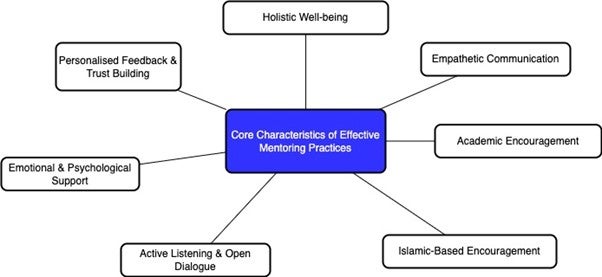
Figure 1. Key characteristics of effective mentoring practices
C. Challenges and Barriers
Despite these benefits, some students reported several challenges, including emotional and psychological barriers that hindered open communication. A few students also mentioned having a language barrier with some mentors. Some felt hesitant to share personal struggles due to anxiety or a lack of rapport with their mentors. Time constraints and limited opportunities for interaction also posed challenges, highlighting the need for more frequent and structured meetings.
D. Suggested Improvements
Students suggested enhancing support structures and improving interaction and communication within the programme. Recommendations included providing additional mentor training to ensure consistent quality across groups, more group activities, and increasing the frequency of sessions to address the emotional and academic needs of mentees more effectively. Focusing on mental health within the sessions was another key recommendation to further align the programme with the students’ values and holistic development needs (Table 2).
|
Recommendations |
Quote |
|
Providing additional mentor training |
“Provide comprehensive training for mentors to enhance their coaching, communication, and interpersonal skills, ensuring they are well-equipped to support their mentees effectively.” – Student 67 |
|
Additional group activities |
“Maybe we can hold some activities involving our mentor to strengthen the bond like sports or celebrations.” – Student 24
“Bonding activities with mentor and between the mentees.” – Student 35 |
|
Increase frequency of sessions |
“I think the session should be often.” – Student 15
“Add more session so that we could spend more time together.” – Student 39 |
|
Focusing on mental health and emotional well-being |
“Ensure that mentors are trained to recognize signs of stress or mental health issues and can guide mentees to appropriate professional support services.” – Student 67
“If mentor can focus on mental health issues especially for the year 1 students, I think it would be very beneficial and helpful.” – Student 76 |
Table 2. Recommendations to improve mentor-mentee system
IV. DISCUSSION
The results of this study emphasise the vital role of holistic mentoring programmes in supporting the academic, personal, and emotional growth of pre-clinical medical students. High satisfaction and perceived helpfulness scores underscore the programme’s positive impact, with benefits such as academic encouragement, collaborative peer learning, mental health support, and guidance aligned with Islamic principles. These findings align with broader evidence that mentoring enhances confidence, reduces stress, and improves well-being (Ng et al., 2020; Sonawane et al.2021).
In this study, “holistic mentoring” refers to an approach that supports students’ academic, personal, professional, and ethical development within a single integrated framework. This aligns with the principles of the Humanistic Mentoring Model, which emphasises attending to the whole person, intellectually, emotionally, socially, and morally to foster well-rounded growth (Schirmer & Osterberg, 2022). In the KOM, IIUM context, holistic mentoring additionally incorporates values-based guidance grounded in the institution’s educational philosophy. By nurturing not only academic competence but also character, well-being, and professional identity, the programme reflects a broader conceptualisation of mentoring that other institutions may adapt according to their cultural or pedagogical priorities.
Furthermore, the inclusion of ethical and spiritual dimensions within the IIUM mentoring approach distinguishes it from more conventional models and aligns with recent calls for culturally sensitive mentorship frameworks (Drossard & Härtl, 2024; Whitfield et al., 2024). Studies highlight the importance of tailoring mentorship to students’ values and identities, supporting this programme’s emphasis on integrating character development with academic and professional guidance (Hill et al., 2022; Vieira et al., 2022). Such culturally aligned mentoring offers a foundation for more inclusive and responsive programmes for diverse student populations. Future research should examine how these approaches function across different cultural settings and their long-term effects on students’ academic, psychological, and professional development (Sethia et al., 2020; Whitfield et al., 2024).
Challenges identified include infrequent interactions and emotional barriers that hinder effective communication, a finding consistent with issues reported in other institutions, such as difficulties in rapport-building (Aziz et al., 2020; Sephien et al.,2021; Zainol & Salam, 2021). Enhancing mentor training to improve emotional sensitivity and communication skills, as well as increasing session frequency, could address these challenges and ensure the programme’s consistency and effectiveness (Fulton-Ward et al., 2023; Kusner et al., 2022; Sethia et al., 2020).
Despite occasional less favourable feedback, most students positively perceived the mentoring experience, highlighting its potential to improve academic outcomes and engagement. To maximise impact, the programme could increase session frequency, strengthen support structures for mental health and academic development, and implement robust feedback mechanisms to adapt and refine mentoring practices (Brown et al., 2021; Corcoran et al., 2020; Mohd Shafiaai et al., 2020; Sonawane et al., 2020).
The findings of this study offer several practical insights for institutions seeking to strengthen or redesign their mentoring programmes. Although the KOM, IIUM model incorporates Islamic ethical and spiritual elements, its core features of structured group engagement, attention to holistic well-being, and supportive teacher-as-mentor relationships are broadly adaptable across diverse educational settings. Institutions serving culturally or religiously diverse student populations may tailor the framework by embedding their own value systems, such as professional identity formation, character education, or culturally responsive guidance. Implementing small, stable mentor-mentee groups, equipping mentors with simple communication guidelines, and encouraging regular yet flexible touchpoints can enhance continuity, rapport, and early identification of student needs. Inclusivity can be further strengthened by forming groups with diverse backgrounds, establishing respectful group norms, and providing mentors with training in culturally sensitive communication. Together, these strategies enable other institutions to adopt group mentoring models that are scalable, supportive, and responsive to the needs of diverse learners.
A. Advantages and Limitations
The mixed-methods approach utilised in this study provided a comprehensive understanding of participants’ experiences by combining quantitative and qualitative data, allowing for a nuanced exploration of perspectives. The electronic distribution of the questionnaire enhanced accessibility, enabling participants to respond at their convenience and potentially increasing the response rate. A key strength of this study is its novel contribution to the mentoring literature: it examines a group-based, faculty-led mentoring model situated within a non-Western, Islamic educational context and adopts a holistic framework that integrates academic, emotional, ethical, and spiritual support. This culturally grounded perspective is underrepresented in existing literature, which is largely centred on Western or secular models of mentoring.
However, the study has limitations. Requiring only a minimum response per group, rather than from every individual, may have led to less comprehensive data collection. Additionally, the reliance on self-reported data introduces the possibility of response bias, as participants may have been influenced by social desirability or recall limitations. Furthermore, although content validity was established through review by subject-matter experts, the questionnaire was not formally validated for face and construct validity. Additionally, reliability was not assessed using measures like Cronbach’s alpha, which may affect the robustness of the findings. The study’s focus on a single institution may also limit the generalisability of the findings to other contexts or settings. These factors should be considered when interpreting the results and designing future research.
V. CONCLUSION
Pre-clinical students of KOM, IIUM perceive the mentor mentee programme as highly beneficial and reported high satisfaction. The high satisfaction and perceived helpfulness ratings highlight the programme’s success in providing academic guidance, peer collaboration, mental health support, and spiritual and ethical mentoring, which were particularly valued by students. These findings reinforce the importance of a holistic approach to mentoring in medical education. Key aspects of effective mentoring practices included addressing holistic wellbeing, providing targeted academic support, offering personalised feedback, active listening, and fostering open communication between mentors and mentees. Identified areas for improvement include increasing the frequency of meetings, standardising mentor training to enhance empathy and communication skills as well as incorporating spiritual and ethical guidance for the students. To enhance the programme, the Kulliyyah may consider revising existing mentor guidelines to ensure consistency and provide targeted training to address emotional barriers and communication challenges. Structuring meetings more frequently and effectively can facilitate regular feedback and support. Future research should explore the perspectives of mentors, assess long-term impacts through longitudinal studies, and evaluate mentoring in diverse institutional contexts. These efforts will refine the programme and better prepare students for the demands of clinical practice while supporting their holistic development.
Notes on Contributors
Hidayatul Radziah Ismawi was involved in conceptualisation, methodology, investigation, formal analysis, data curation, writing both the original draft and editing, and reviewing the final draft, visualisation of data and project administration.
Wan Fatein Nabeila Wan Omar was involved in conceptualisation, methodology, data curation, editing and reviewing the final draft, and visualisation of data.
Azril Shahreez Abdul Ghani was involved in conceptualisation, methodology, investigation, formal analysis, data curation, editing and reviewing the final draft, and visualisation of data.
Wan Muhamad Salahudin Wan Salleh was involved in conceptualisation, methodology, editing, and reviewing the final draft.
Nurulhasanah Mustapar was involved in conceptualisation, methodology, editing, and reviewing the final draft.
Ethical Approval
Ethical approval from IIUM Research Ethics Committee (IREC) – IREC 2024-336 was obtained for data collection from October to November 2024.
Data Availability
Given the personal nature of the data, all data will only made available upon written request to the corresponding author with the agreement of all authors and IIUM.
Acknowledgement
Part of the results was presented as a poster presentation at the 37th MSPP Scientific Meeting in conjunction with the 9th Medical Research Symposium 2024. The abstract was published in Medicine and Health Journal as part of the proceedings. The authors would like to thank the Department of Basic Medical Sciences and Department of Medical Education Quality, Kulliyyah of Medicine, International Islamic University Malaysia.
Funding
The authors did not receive any funding for this study.
Declaration of Interest
The authors report no conflict of interest. The authors alone are responsible for the content and writing of the paper; a grammar-checking software was used to ensure the language was accurate.
References
Addai, P., Okyere, I., Ako, M., Wiafe-Kwagyan, M., & Sarfo, J. O. (2023). Lecturer-student mentorship and engagement in student’s organizational citizenship behaviour among university students: Mediating role of supportive institutional policies. European Journal of Contemporary Education, 12(4), 30–35. https://doi.org/10.13187/ejced.2023.4.1101
Aziz, A., Mahboob, U., & Sethi, A. (2020). What problems make students struggle during their undergraduate medical education? A qualitative exploratory study. Pakistan Journal of Medical Sciences, 36(5), 1020–1025. https://doi.org/10.12669/pjms.36.5.2267
Bhatnagar, V., Diaz, S., & Bucur, P. A. (2020). The need for more mentorship in medical school. Cureus, 12(5), Article e7984. https://doi.org/10.7759/cureus.7984
Braun, V., & Clarke, V. (2006). Using thematic analysis in psychology. Qualitative Research in Psychology, 3(2), 77–101. https://doi.org/10.1191/1478088706qp063oa
Braun, V., & Clarke, V. (2021). Thematic analysis: A practical guide. SAGE Publications.
Brown, W. C., Magaña, L., Crespo, C. J., & White, W. B. (2021). Mentoring underrepresented minoritized students for success. Pedagogy in Health Promotion, 7(Suppl. 1), 20S–22S. https://doi.org/10.1177/23733799211054086
Corcoran, K., Weintraub, M. R., Silvestre, I., Moriarty, J., Choi, K., & Dicke, J. M. (2020). An evaluation of the SCORE program: A novel research and mentoring program for medical students in obstetrics/gynecology and otolaryngology. The Permanente Journal, 24, Article 19.153. https://doi.org/10.7812/TPP/19.153
Dederichs, M., Weber, J., Muth, T., Angerer, P., & Loerbroks, A. (2020). Students’ perspectives on interventions to reduce stress in medical school: A qualitative study. PLOS ONE, 15(10), Article e0240587. https://doi.org/10.1371/journal.pone.0240587
Dent, J., Harden, R. M., & Hunt, D. (2021). A practical guide for medical teachers (6th digital ed.). Elsevier Health Sciences.
Drossard, S., & Härtl, A. (2024). Development and implementation of digital peer mentoring in small groups for first-year medical students. GMS Journal for Medical Education, 41(1), Article Doc11. https://doi.org/10.3205/zma001666
Fulton-Ward, T., Bain, R., Khoury, E. G., Menon, R., Mansuri, F., Rahman, F., & Halawa, A. (2023). Benefits of mentoring in oncology education for mentors and mentees: Pre-post interventional study of the British Oncology Network for Undergraduate Societies’ National Oncology Mentorship Scheme. JMIR Medical Education, 9, Article e48263. https://doi.org/10.2196/48263
Gaur, U., Majumder, M. A. A., Sa, B., Sarkar, S., Williams, A., & Singh, K. (2020). Challenges and opportunities of preclinical medical education: COVID-19 crisis and beyond. SN Comprehensive Clinical Medicine, 2, 1992–1997. https://doi.org/10.1007/s42399-020-00528-1
Guhan, N., Krishnan, P., Dharshini, P., Abraham, P., & Thomas, S. (2020). The effect of mentorship program in enhancing the academic performance of first MBBS students. Journal of Advances in Medical Education & Professionalism, 8(4), 196–201. https://doi.org/10.30476/jamp.2019.82591.1061
Hill, S. E., Ward, W. L., Seay, A., & Buzenski, J. (2022). The nature and evolution of the mentoring relationship in academic health centers. Journal of Clinical Psychology in Medical Settings, 29(3), 557–569. https://doi.org/10.1007/s10880-022-09893-6
Kamarudin, M. A., Shah, S. A. M. M., Ismail, N. A. S., Tuan, M. A. T., Ahmad, S. N. A., Mohd, N. S., Mohd, I., Yusof, R., & Mohd, R. (2021). Perceptions of mentors and mentees towards the mentoring system at the Universiti Kebangsaan Malaysia Medical Centre. Education in Medicine Journal, 13(2), 63–72. https://doi.org/10.21315/eimj2021.13.2.5
Krishna, L. K. R., Pisupati, A., Ong, Y. T., Teo, K. J. H., Teo, M. Y. K., Venktaramana, V., Quek, C. W. N., Chua, K. Z. Y., Raveendran, V., Singh, H., Wong, S. L. C. H., Ng, V. W. W., Loh, E. K. Y., Yeoh, T. T., Owyong, J. L. J., Chiam, M., Ong, E. K., Phua, G. L. G., Hill, R., … Mason, S. (2023). Assessing the effects of a mentoring program on professional identity formation. BMC Medical Education, 23, Article 799. https://doi.org/10.1186/s12909-023-04748-6
Kusner, J. J., Chen, J. J., Saldaña, F., & Potter, J. (2022). Aligning student-faculty mentorship expectations and needs to promote professional identity formation in undergraduate medical education. Journal of Medical Education and Curricular Development, 9, 1-7. https://doi.org/10.1177/23821205221096307
Malau-Aduli, B. S., Roche, P., Adu, M., Jones, K., Alele, F. O., & Drovandi, A. (2020). Perceptions and processes influencing the transition of medical students from pre-clinical to clinical training. BMC Medical Education, 20(1), 1–13. https://doi.org/10.1186/s12909-020-02186-2
McKinney, L., Bourdeau, G. V., Burridge, A. B., Lee, M., Miller-Waters, M., & Barnes, Y. M. (2024). “I advise, you decide”: How academic advisors shape community college students’ enrollment and credit load decisions. The Review of Higher Education, 47(4), 519–547. https://doi.org/10.1353/rhe.2024.a930108
Mohd Shafiaai, M. S. F., Kadirvelu, A., & Pamidi, N. (2020). Peer mentoring experience on becoming a good doctor: Student perspectives. BMC Medical Education, 20(1), 1–9. https://doi.org/10.1186/s12909-020-02408-7
Ng, K. Y. B., Lynch, S., Kelly, J., & Mba, O. (2020). Medical students’ experiences of the benefits and influences regarding a placement mentoring programme preparing them for future practice as junior doctors: A qualitative study. BMJ Open, 10(8), Article e032643. https://doi.org/10.1136/bmjopen-2019-032643
Santiesteban, L., Young, E., Tiarks, G. C., Boemi, M. G., Patel, R. K., Bauckman, K. A., Fine, L., Padilla, M. E., & Rajput, V. (2022). Defining advising, coaching, and mentoring for student development in medical education. Cureus, 14(7), Article e26817. https://doi.org/10.7759/cureus.27356
Schirmer, C., & Osterberg, L. (2022). The humanistic mentoring model: A holistic approach. In Mentoring In Health Professions Education: Evidence-Informed Strategies Across the Continuum (pp. 57–63). Springer.
Secchin, L. D. S. B., da Silva Ezequiel, O., Vitorino, L. M., Lucchetti, A. L. G., & Lucchetti, G. (2020). Implementation of a longitudinal mentorship program for quality of life, mental health, and motivation of Brazilian medical students. Academic Psychiatry, 44(2), 200–204. https://doi.org/10.1007/s40596-019-01141-8
Sephien, A., Hatch, L., Karsch, J., Bond, R., Golding, J., Hagood, M., Hicks, J., Izzy, S., Lee, E., Ponder, A., Tang, M., & Stentz, M. (2021). Prevalence of, qualities, and barriers associated with mentoring relationships from medical students’ perspective: A multi-institutional cross-sectional study. Southern Medical Journal, 114(12), 789–796. https://doi.org/10.14423/smj.0000000000001334
Sethia, R., Sheehan, C. C., Danforth, D., Chi, J. J., DeSanto, J. R., Naunheim, M. R., & Chan, J. Y. K. (2020). ENT mentorship program for preclinical medical students. Otolaryngology–Head and Neck Surgery, 163(2), 198–203. https://doi.org/10.1177/0194599819900261
Sonawane, T., Meshram, R., Jagia, G., Gajbhiye, R., & Adhikari, S. (2021). Effects of mentoring in first-year medical undergraduate students using DASS-21. Journal of Clinical and Diagnostic Research, 15(4), JC01–JC04.
Teo, M. Y. K., Ibrahim, H., Lin, C. K. R., Hamid, N. A. B. A., Govindasamy, R., Somasundaram, N., Lim, C., Goh, J. L., Zhou, Y., Tay, K. T., Ong, R. R. S., Tan, V., Toh, Y., Pisupati, A., Raveendran, V., Chua, K. Z. Y., Quah, E. L. Y., Sivakumar, J., Senthilkumar, S. D., … Krishna, L. K. R. (2024). Mentoring as a complex adaptive system–A systematic scoping review of prevailing mentoring theories in medical education. BMC Medical Education, 24(1), Article 726. https://doi.org/10.1186/s12909-024-05707-5
Vieira, A., Cabri, M. M., Spijkers, S., Vieira, A. C., & Maas, M. (2022). Mentoring in radiology: An asset worth exploring! European Journal of Radiology, 155, Article 110133. https://doi.org/10.1016/j.ejrad.2021.110133
Wenham, K. E., Valencia-Forrester, F., & Backhaus, B. (2019). Make or break: The role and support needs of academic advisors in work-integrated learning courses. Higher Education Research & Development, 39(5), 1026-1039. https://doi.org/10.1080/07294360.2019.1705254
Whitfield, S., Hazard, C., Haynes, B., Heafner, K., Miller, A., Alston, S., & Patterson, D. (2024). On-site peer mentorship’s effect on personal and professional development, stress reduction, and ease of transition into the medical education system. Journal of Osteopathic Medicine. https://doi.org/10.1515/jom-2023-0086
Zainol, J., & Salam, A. (2021). An audit on mentor-mentee program: Mentees’ perceptions on mentors. Bangladesh Journal of Medical Science, 20(4), 729–734. https://doi.org/10.3329/bjms.v20i4.54143
*Hidayatul Radziah Ismawi
Department of Basic Medical Sciences,
Kulliyyah of Medicine,
International Islamic University Malaysia,
Jalan Sultan Ahmad Shah, Indera Mahkota,
25200 Kuantan, Pahang, Malaysia
+60 127526064
hidayatulradziah@iium.edu.my
Announcements
- Best Reviewer Awards 2025
TAPS would like to express gratitude and thanks to an extraordinary group of reviewers who are awarded the Best Reviewer Awards for 2025.
Refer here for the list of recipients. - Most Accessed Article 2025
The Most Accessed Article of 2025 goes to Analyses of self-care agency and mindset: A pilot study on Malaysian undergraduate medical students.
Congratulations, Dr Reshma Mohamed Ansari and co-authors! - Best Article Award 2025
The Best Article Award of 2025 goes to From disparity to inclusivity: Narrative review of strategies in medical education to bridge gender inequality.
Congratulations, Dr Han Ting Jillian Yeo and co-authors! - Best Reviewer Awards 2024
TAPS would like to express gratitude and thanks to an extraordinary group of reviewers who are awarded the Best Reviewer Awards for 2024.
Refer here for the list of recipients. - Most Accessed Article 2024
The Most Accessed Article of 2024 goes to Persons with Disabilities (PWD) as patient educators: Effects on medical student attitudes.
Congratulations, Dr Vivien Lee and co-authors! - Best Article Award 2024
The Best Article Award of 2024 goes to Achieving Competency for Year 1 Doctors in Singapore: Comparing Night Float or Traditional Call.
Congratulations, Dr Tan Mae Yue and co-authors! - Best Reviewer Awards 2023
TAPS would like to express gratitude and thanks to an extraordinary group of reviewers who are awarded the Best Reviewer Awards for 2023.
Refer here for the list of recipients. - Most Accessed Article 2023
The Most Accessed Article of 2023 goes to Small, sustainable, steps to success as a scholar in Health Professions Education – Micro (macro and meta) matters.
Congratulations, A/Prof Goh Poh-Sun & Dr Elisabeth Schlegel! - Best Article Award 2023
The Best Article Award of 2023 goes to Increasing the value of Community-Based Education through Interprofessional Education.
Congratulations, Dr Tri Nur Kristina and co-authors! - Best Reviewer Awards 2022
TAPS would like to express gratitude and thanks to an extraordinary group of reviewers who are awarded the Best Reviewer Awards for 2022.
Refer here for the list of recipients. - Most Accessed Article 2022
The Most Accessed Article of 2022 goes to An urgent need to teach complexity science to health science students.
Congratulations, Dr Bhuvan KC and Dr Ravi Shankar. - Best Article Award 2022
The Best Article Award of 2022 goes to From clinician to educator: A scoping review of professional identity and the influence of impostor phenomenon.
Congratulations, Ms Freeman and co-authors.