Social media as a learning platform for dental undergraduates in Universiti Sains Malaysia

Submitted: 16 July 2024
Accepted: 27 August 2025
Published online: 7 April, TAPS 2026, 11(2), 40-48
https://doi.org/10.29060/TAPS.2026-11-2/OA3458
Siti Suhailah Zahari1, Roshan Peiris1,3,4, Ruhaya Hasan2, Nik Aloesnisa Nik Mohd Alwi1 & Nurhafizah Ghani1
1Medical & Basic Dental Sciences Unit, School of Dental Sciences, Universiti Sains Malaysia, Malaysia; 2Dental Public Health Unit, School of Dental Sciences, Universiti Sains Malaysia, Malaysia; 3Department of Basic Sciences, Faculty of Dental Sciences, University of Peradeniya, Sri Lanka; 4College of Health Sciences, VinUniversity, Vietnam
Abstract
Introduction: The growing use of social media among students offers educators in dental education enhanced opportunities for student-teacher interaction and improved access to learning materials. This study aims to examine the patterns of social media usage for learning purposes among undergraduate dental students at Universiti Sains Malaysia.
Methods: A cross-sectional questionnaire-based study was conducted involving 222 undergraduate dental students from all academic years, excluding those without social media accounts or who declined participation. A validated questionnaire was distributed online via Google Forms and WhatsApp, collecting data on socio-demographics, smartphone ownership and internet access, preferred social media platforms, and the use of social media for academic purposes.
Results: All 222 respondents completed the survey. The majority (65.8%) were iPhone users, and 95.0% reported access to internet data via Wi-Fi or 4G networks. Almost all participants used social media to connect with friends (99.1%), while 10.4% used it for business. Instagram (99.1%), WhatsApp (97.7%), and YouTube (91.9%) were the most commonly used platforms, with WhatsApp being the most frequently used (86.0%). Gender showed a significant association with academic use, particularly for inquiries and consultations, with female students engaging more than males. No significant differences were found across academic years. Google (91.0%) and YouTube (84.2%) were the preferred platforms for academic content.
Conclusion: Social media presents valuable opportunities to support dental education by enhancing learning engagement and communication. However, as the study focuses on a single institution, broader research involving multiple dental schools is recommended to achieve more generalisable findings.
Keywords: Dental Education, Dental Undergraduate, Learning, Malaysia, Social Media
Practice Highlights
- Widespread social media usage indicates the extensive integration of social media into their daily lives.
- Gender was significantly associated with the use of social media for academic purposes.
- Google and YouTube platforms are key resources for dental education.
I. INTRODUCTION
The world is in a state of perpetual evolution, particularly in relation to the internet and its various impacts, both positive and negative (Al-Dayyeni, 2021). Acquiring information has never been easier, with social media playing a crucial role in communication and information retrieval (Uma et al., 2021). According to Uma et al. (2021), professional and personal lives have become intertwined as a result of numerous interactions they have with each other on various issues. They elaborated those social media platforms facilitate users in generating and distributing information or engaging in social networking. This includes social networking platforms such as Facebook, YouTube and Instagram (Uma et al., 2021). According to Giroux and Moreau (2022), social media platforms serve both formal and informal learning purposes in health professions education (HPE). Formal learning pertains to structured educational activities like classes or assignments, while informal learning involves knowledge gained from other extracurricular activities.
Social media has become widespread in society and significantly impacts personal and professional aspects, including dentistry (Uma et al., 2021). Social media has been crucial for communication and education throughout the COVID-19 pandemic (Giroux & Moreau, 2022). Amid the pandemic, medical and dentistry education relied on digital tools and social media platforms for information retrieval, sharing learning resources, and conducting virtual meetings. Students and lecturers frequently used these technologies for academic and non-academic activities (Uma et al., 2021).
Currently, more dentists are using social media to share and acquire knowledge, advertise their professional practice, and offer online consultations (Ghandhi et al., 2022). Affendi et al. (2020) investigated the utilisation of social media for advertising by dentists in Malaysia and found that most respondents believe that social media marketing could gain popularity in the field of dentistry, despite its current primary use for personal reasons (Affendi et al., 2020). Meanwhile, Rani et al. (2020) detailed how Malaysian dental undergraduates are educated to utilise social media to advocate for oral health in the community. Social media also plays roles in dental education outcomes. Platforms such as YouTube and Instagram are increasingly used by dental students to access clinical demonstrations, case discussions, and peer-shared learning resources, which can enhance clinical reasoning and practical understanding (Acosta et al., 2025; Khanagar et al., 2022). This growing use of social media shows its expanding role in dentistry, not only for professional promotion and health education, but also as a helpful tool for dental students to support their own learning.
Undergraduate dental students in Malaysia, typically aged 20–27, belong to Generation Z (born 1997–2012), the largest generational group in the country, comprising 27% of the population (DOSM, 2024). Gen Z is known for being digitally connected, well-educated, entrepreneurial, and empowered (Tjiptono et al., 2020). They rely heavily on technology, using the internet and smartphones for communication, news, education, and social interactions (Slepian et al., 2024). Education integrated with social media enhances learning for Gen Z, promoting engagement, collaboration, and the development of critical skills for the digital era. This tech-savvy nature shapes their learning preferences and readiness for modern professional challenges.
Incorporating social media into education has been shown to enhance learning and promote positive behavioral changes in health profession students (Hamid & Jaafar, 2021). Undergraduate dental students reported enjoying online learning more than conventional lectures (Jayasinghe et al., 2021). However, excessive social media use may cause distractions and unethical online behavior (Nieminen et al., 2022). Students with poor social skills and internet usage exceeding 40 hours weekly are at greater risk of internet addiction (Radeef & Faisal, 2019). Thus, while social media offers educational benefits, its overuse poses potential challenges to student well-being and professionalism.
Numerous social media platforms have proven to be effective for educational reasons (Spallek et al., 2015). With reference to the COVID-19 epidemic, technological advancements have radically revolutionised teaching and learning activities. Previous studies had identified social media has been seen as a mean for connection and a substitute for information distribution (Hamid & Jaafar, 2021; Jayasinghe et al., 2021; Nieminen et al., 2022). In Malaysia’s educational context, there has been a strong national push toward digital learning and technology integration across universities, including in dental education (Kathirveloo, 2024). Given these global trends, understanding social media’s role in Malaysian dental education is critical.
Despite these developments, the use of social media for academic purposes among dental undergraduates in Malaysia has not been firmly established.
Therefore, this study intends to investigate the utilisation of social media platforms for educational purposes in Malaysia. The current study aims to establish the prevalence and characteristics of social media usage for educational purposes among dental undergraduates and to identify the association between the type of social media platforms and its educational purposes. Furthermore, this study could offer essential foundational data for further studies on the advantages of integrating social media into education and this data will help educators to determine which platform and engagement strategies will be most effective with the current generation of learners.
II. METHODS
A. Study Design
A questionnaire-based online cross-sectional survey was conducted from April to October 2023 with participation of all dental undergraduates from Year 1 – Year 5 academic session 2022/2023 in Universiti Sains Malaysia (USM). The validated google form questionnaire used was adapted from a previous similar study (Alshuaibi et al., 2015). The questionnaire developed by Alshuaibi et al. (2015) was designed for a similar sample group which are undergraduate students in Malaysia. This justifies its suitability for the current study. This study was approved by the Human Research Ethics Committee USM (HREC) (Ref. No.: USM/JEPeM/KK/23040324). Data were collected via a Google Form link shared through WhatsApp and email to student representatives, who forwarded it to peers. Participation was voluntary, with informed consent obtained by ticking an agreement box. The questionnaire contained no sensitive information, ensuring anonymity, and all responses were kept strictly confidential.
B. Questionnaire Form
The questionnaire, adapted from Alshuaibi et al. (2015) with permission, had a content and face validity index > 0.80 (Hamid & Jaafar, 2021), indicating strong expert agreement on its content and clarity. It comprised four sections: (1) Socio-Demographic Factors: age, gender, year of study, and other relevant details to contextualise findings; (2) Smartphone Ownership and Connection: smartphone usage, features, and preferred internet connection; (3) Social Media Applications: frequently used platforms and purposes; (4) Social Media for Academic Purposes: use of social media for learning, including information exchange, consultations, and educational queries.
A five-point Likert-type frequency scale was used to assess the respondents’ frequency of behaviour, with response options ranging from “Never” to “Almost always”: Never, Seldom, Sometimes, Often, and Almost always. This scale was employed for all questionnaire items, with response options ranging from Never (1) to Almost Always (5). Items were organised into specific domains. To generate a domain score for each respondent, individual item responses within the same domain were numerically coded and then averaged. This method ensured standardisation across domains.
This structured approach provides a holistic understanding of students’ interaction with technology and social media, particularly in academic settings, while ensuring the findings are relevant and actionable for improving educational practices.
C. Sample Size Determination
The outcome variable selected for estimating sample sizes was the use of social media for academic purposes. Finite population correction formula was utilised to estimate the minimum sample sizes at Universiti Sains Malaysia:
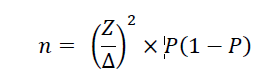
Where n= required minimum sample size, P= 95.1% which is proportion of the outcome variable (Hamid & Jaafar, 2021), p(1−p) = variance of the outcome variable, Z= 1.96 for 95% confidence limit with absolute precision (Δ)= ± 5%. For anticipated 10% of non-response rate, the minimum number of participants required is 80.
For the gender variable, a priori power analysis was performed with G*Power version 3.1.9.7 to establish the required sample size for testing the study hypothesis. The study found that a sample size of N=128 is needed to have an 80% power of detecting a medium effect size with a significance level of α=0.05 when comparing two independent means (male and female). The overall sample size of N=128 was sufficient to test the study hypothesis.
For the years of study variable, a priori power analysis is performed with G*Power version 3.1.9.7 to establish the appropriate sample size for testing the study hypothesis. It was found that a sample size of N=200 was needed to have an 80% power of detecting a medium effect in a one-way ANOVA test at a significance level of α=0.05. Therefore, the sample size of N=200 was sufficient to test the study hypothesis. Since the calculated sample size for the difference in social media use among dental undergraduates between years of study was the highest (200), this number was used for the study.
D. Data Analysis
IBM SPSS Statistics for Windows, Version 26.0 (IBM Corp., Armonk, NY, USA) was used for data entry and analysis. Data was presented using tables and graphs. Descriptive analysis included frequencies and percentages for categorical variables and mean with standard deviation or median with interquartile range for continuous variables, depending on normality. An independent t-test assessed differences in social media use between male and female dental undergraduates at Universiti Sains Malaysia.
A one-way ANOVA test was utilised to assess the use of social media for learning in different undergraduate years of study and to differentiate the type of internet access. A multiple logistic regression analysis was also applied to provide insight into how various factors impact learning outcomes. The independent variables are influencing factors (ResearchGate, Google, YouTube, Skype, LinkedIn, WhatsApp, Instagram, Twitter, Facebook, and TikTok). These platforms were selected based on their popularity among the target population, relevance to academic and social communication. Multicollinearity among the independent variables was assessed using Variance Inflation Factor (VIF) and Pearson correlation coefficients. The dependent variable is the outcome (Never, Seldom, Sometimes, Often, and Almost always). The outcome tested in the study significance level was set at p ≤ 0.05. at 95% confidence intervals.
III. RESULTS
A. Demographic Characteristics
There were 222 dental undergraduates who participated in the study. The mean age of the participants was 22.1 ± 1.50 years. The vast majority of the participants were female, accounting for 79.7% of the total sample (n = 177). 20.7% (n = 46) in the first year, 19.4% (n = 43) in the second year, 23.0% (n = 51) in the third year, 14.0% (n = 31) in the fourth year, and 23.0% (n = 51) in the fifth year. While all academic years were represented, the distribution was not exactly even, with slightly lower participation from fourth-year students and slightly higher representation from third- and fifth-year students. This variation reflects natural variation in voluntary participation across cohorts.
B. Smartphone Ownership and Connection
The majority of dental undergraduates were iPhone users (65.8%) while the other respondents were android smartphone users. Particularly, 95.0% (n = 211) of the participants were able to connect to the internet through a fourth generation (4G) mobile carrier and Wi-Fi.
C. Social Media Application
Most participants utilised social media for connecting with friends (99.1%), communicating with family members (92.8%), and acquiring new skills or information (85.1%). About 74.8% of individuals engage with their lecturers through these communication channels. About 67.1% of participants use these tools to build professional or social connections and only 10.4% of respondents focus on promoting their business through these platforms. Most participants had accounts on Instagram (99.1%), WhatsApp (97.7%), and YouTube (91.9%). The most frequently used platforms were WhatsApp (86.0%), Instagram (81.1%), and YouTube (61.7%) (Figure 1).
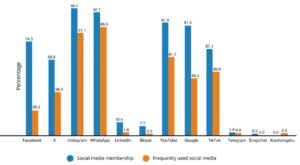
Figure 1. Social media membership accounts and the most frequently utilised social media accounts by the respondents (n=222)
D. Social Media for Academic Purposes
The social media apps that assist respondents in their education are shown in Figure 2. Participants chose Google (91.0%), YouTube (84.2%), WhatsApp (53.2%), ResearchGate (48.6%), and Instagram (25.2%) as their top five social networking applications. Google was the most popular application.
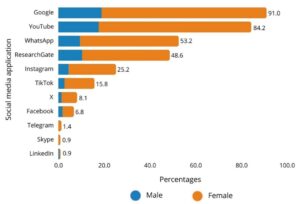
Figure 2. Social media applications that assist the respondents in the course of their studies
Table 1 displays the respondents’ utilisation of social media for academic purposes. Most respondents selected “often” for the exchange of information, consulting, and queries domains. About 46.4% of respondents prefer to stay updated on a subject/course “almost always,” while 33.3% chose to consult teachers “sometimes” to clarify challenging subjects. The domain of exchange of information, consultation, and queries had a grand mean score of 2.94 (SD = 0.67), 2.81 (SD = 0.75), and 3.09 (SD = 0.74), respectively.
|
Domain |
Survey question: In relation with use social media for academic purposes. I use social media… |
Overall number and percentage of students |
Mean (SD) |
Grand mean (SD) |
||||
|
Never n (%) |
Seldom n (%) |
Sometimes n (%) |
Often n (%) |
Almost always n (%) |
||||
|
Exchange information |
To join in the group project discussions. |
6 (2.7) |
17 (7.7) |
53 (23.9) |
89 (40.1) |
57 (25.7) |
2.78 (1.00) |
2.94 (0.67) |
|
To do coursework. |
3 (1.4) |
7 (3.2) |
40 (18.0) |
88 (39.6) |
84 (37.8) |
3.09 (0.89) |
|
|
|
To exchange useful documentation and resources of the subject/course. |
2 (0.9) |
3 (1.4) |
38 (17.1) |
98 (44.1) |
81 (36.5) |
3.14 (0.81) |
|
|
|
To remain updated on what is happening in a subject/course (changes, unforeseen events). |
1 (0.5) |
6 (2.7) |
25 (11.3) |
87 (39.2) |
103 (46.4) |
3.28 (0.81) |
|
|
|
To find out about activities organised by my university. |
2 (0.9) |
14 (6.3) |
59 (26.6) |
80 (36.0) |
67 (30.2) |
2.88 (0.94) |
|
|
|
To organise extracurricular activities. |
7 (3.2) |
44 (19.8) |
57 (25.7) |
68 (30.6) |
46 (20.7) |
2.46 (1.12) |
|
|
|
Consultation |
To search books and resources recommended by the teacher. |
1 (0.5) |
8 (3.6) |
42 (18.9) |
89 (40.1) |
82 (36.9) |
3.09 (0.86) |
2.81 (0.75) |
|
To resolve doubts about my life at university. |
1 (0.5) |
10 (4.5) |
62 (27.9) |
78 (35.1) |
71 (32.0) |
2.94 (0.91) |
|
|
|
To contact experts on the topics of the study. |
7 (3.2) |
24 (10.8) |
65 (29.3) |
80 (36.0) |
46 (20.7) |
2.60 (1.03) |
|
|
|
To consult teachers to clarify difficult areas of the subject/course. |
4 (1.8) |
25 (11.3) |
74 (33.3) |
68 (30.6) |
51 (23.0) |
2.61 (1.02) |
|
|
|
Queries |
To resolve queries about content or exams with other students. |
0 (0.0) |
6 (2.7) |
44 (19.8) |
90 (40.5) |
82 (36.9) |
3.12 (0.82) |
3.09 (0.74) |
|
To find out what has been covered in class during non-attendance. |
0 (0.0) |
9 (4.1) |
44 (19.8) |
93 (41.9) |
76 (34.2) |
3.06 (0.84) |
|
|
Table 1. Utilisation of social media for academic purposes by the respondents
Among the respondents, the mean values of gender, year of study, and type of internet connection are displayed in Table 2. These values pertain to the utilisation of social media for academic inquiry, information exchange, and consultation. For statistical analysis, a one-way analysis of variance (ANOVA) was carried out with a significance level of p ≤ 0.05. There was a significant association between gender and the use of social media for academic purposes, with a greater number of females engaging in inquiries and consultations compared to males. In contrast, there was no significant difference found between the academic year indicating relatively consistent use patterns across academic levels. The use of social media for academic purposes, as well as the form of internet connection and the usage of social media for academic purposes was not significantly related, suggesting that mode of connectivity had minimal influence on students’ usage patterns.
|
Variables |
Queries |
p value |
Exchange of Information |
p value |
Consultation |
p value |
|
Mean (SD) |
Mean (SD) |
Mean (SD) |
||||
|
Gender |
|
|
|
|
|
|
|
Male |
5.64 (1.32) |
0.007 |
16.69 (3.64) |
0.076 |
10.27 (2.98) |
0.013 |
|
Female |
6.32 (1.50) |
|
17.89 (4.12) |
|
11.50 (2.97) |
|
|
Year of study |
|
|
|
|
|
|
|
First year |
6.02 (1.39) |
0.760 |
18.35 (3.65) |
0.611 |
11.10 (3.07) |
0.869 |
|
Second year |
6.02 (1.44) |
|
17.40 (4.59) |
|
10.95 (3.11) |
|
|
Third year |
6.22 (1.42) |
|
17.33 (3.72) |
|
11.59 (2.87) |
|
|
Fourth year |
6.29 (1.79) |
|
18.10 (3.87) |
|
11.29 (2.78) |
|
|
Fifth year |
6.35 (1.51) |
|
17.25 (4.36) |
|
11.31 (3.20) |
|
|
Internet access |
|
|
|
|
|
|
|
4G only |
6.44 (1.24) |
0.243 |
17.67 (2.18) |
0.992 |
11.22 (2.49) |
0.133 |
|
Wi-Fi |
4.50 (2.12) |
|
18.00 (0.00) |
|
7.00 (1.42) |
|
|
4G and Wi-Fi |
6.18 (1.49) |
|
17.64 (4.05) |
|
11.29 (3.02) |
|
The significance level was set at p ≤ 0.05 at 95% confidence intervals. Note: Mean shown is the total mean.
Table 2. The mean values of gender, year of study, and type of internet access among the respondents regarding the usage of social media for academic inquiry, information exchange, and consultation
A multiple logistic regression analysis was conducted to examine the influence of various social media platforms on learning-related factors, with the results presented in Table 3. The analysis included 10 platforms: ResearchGate, Google, YouTube, Skype, LinkedIn, WhatsApp, Instagram, Twitter, Facebook, and TikTok. To perform binary logistic regression, the responses were grouped into two categories: Often and Almost Always were coded as “1” (frequent use), while Never, Seldom, and Sometimes were coded as “0” (infrequent use). This helped to clearly separate high and low levels of social media influence on learning activities. The significant platforms identified were ResearchGate, Instagram, and Twitter. In ResearchGate, a significant positive coefficient is observed for searching books and resources (0.645), while negative coefficients are found for exchanging useful documentation (-0.467) and contacting experts (-0.394). The negative association in exchange useful documentation may suggest that this platform is less effective or less frequently used for peer-to-peer document sharing among students compared to other tools. Similarly, the negative association for contacting experts could reflect limited interactivity or response rates from professionals, making it a less reliable platform for interactive communication with experts. In Instagram, the significant positive coefficients are for finding out what has been covered (0.517) and resolving doubts (0.507), while the negative coefficient is for doing coursework (-0.427) possibly because it lacks the right tools or easy access to materials, making it less useful for doing coursework. In Twitter, the significant positive coefficient is for organising extracurricular activities (0.8).
Another multiple logistic regression analysis was conducted to explore the relationship between various factors, academic year, and learning outcomes. Resolving doubts has a significant positive (p = 0.014), indicating that resolving doubts is significantly associated with academic year progression.
|
95% C.I. for EXP(B) |
||||||||
|
Domain |
Variables in the Equation |
B |
S.E. |
Wald |
Sig. |
Exp(B) |
Lower |
Upper |
|
*ResearchGate |
To exchange useful documentation |
-0.467 |
0.216 |
4.686 |
0.030 |
0.627 |
0.410 |
0.957 |
|
To search books and resources |
0.645 |
0.212 |
9.268 |
0.002 |
1.906 |
1.258 |
2.887 |
|
|
To contact experts |
-0.392 |
0.181 |
4.695 |
0.030 |
0.676 |
0.474 |
0.963 |
|
|
To find out what has been covered |
0.394 |
0.217 |
3.299 |
0.069 |
1.483 |
0.969 |
2.269 |
|
|
Constant |
-0.767 |
0.719 |
1.140 |
0.286 |
0.464 |
|||
|
|
To find out what has been covered |
0.517 |
0.237 |
4.744 |
0.029 |
1.676 |
1.053 |
2.668 |
|
To do coursework |
-0.427 |
0.205 |
4.349 |
0.037 |
0.652 |
0.437 |
0.975 |
|
|
To resolve doubts |
0.507 |
0.224 |
5.116 |
0.024 |
1.660 |
1.070 |
2.576 |
|
|
Constant |
-2.942 |
0.795 |
13.683 |
0.000 |
0.053 |
|||
|
|
To organise extracurricular activities |
0.800 |
0.280 |
8.175 |
0.004 |
2.225 |
1.286 |
3.850 |
|
Constant |
-4.698 |
0.921 |
26.047 |
0.000 |
0.009 |
|||
Notes:
* Hosmer and Lemeshow Test: Chi-square=6.193, p>0.05, Classification table = 60.8%, Area Under Curve: 0.659, p<0.05, (95% CI:0.588, 0.730)
** Hosmer and Lemeshow Test: Chi-square=5.392, p>0.05, Classification table = 74.3 %, Area Under Curve:0.665, p<0.05, (95% CI:0.588, 0.742)
*** Hosmer and Lemeshow Test: Chi-square=2.661, p>0.05, Classification table = 91.9%, Area Under Curve:.713, p<0.05, (95% CI:0.606,0 .819)
Table 3. Multiple logistic regression analysis of social media platform uses for educational purposes.
IV. DISCUSSION
A. Socio-Demographic Factors: Female Students Show Greater Use of Social Media for Educational Purposes
The study found that females were more likely than males to use social media for academic queries and discussions, reflecting their preference for interactive, collaborative learning (Ansari & Khan, 2020). Social media supports group discussions, resource sharing, and seeking assistance, aligning with these preferences. Women may also have stronger peer networks and norms encouraging educational dialogue. In contrast, females show greater interest in learning via social media, while males are more inclined toward activities such as video gaming (Leonhardt & Overå, 2021).
B. Smartphone Ownership and Connection: Strong Connectivity Enable Student to Access Online Resources
The study found that 65.8% of dental undergraduates used iPhones, with the rest using Android devices, possibly reflecting brand popularity, user experience, or socioeconomic factors. Most participants (95.0%) had reliable internet access via 4G and Wi-Fi, facilitating engagement with educational resources, social media, and communication tools. Such connectivity supports real-time interaction with peers and instructors, enhancing collaboration and information access (Guo et al., 2021). The widespread availability of high-speed internet highlights the vital role of technology infrastructure in enabling academic activities, especially where digital tools and online platforms are integral to learning.
C. Social Media Application: Benefits, Challenges, and the Role of Platforms like WhatsApp, Instagram, and YouTube
Dental undergraduates mainly use WhatsApp, Instagram, and YouTube for communication and learning. WhatsApp emerged as the most popular platform, consistent with studies from Malaysia, Finland, and Saudi Arabia (Aboalshamat et al., 2019; Hamid & Jaafar, 2021; Naguib et al., 2018; Rajeh et al., 2021; Uma et al., 2021). It is widely preferred for academic purposes, allowing students to easily share information, ask lecturers questions, and resolve issues through group discussions without needing personal interaction (Amanullah & Ali, 2014; Baishya & Maheshwari, 2019). Nevertheless, these results differ from some study (United States and United Kingdom) that found Facebook as the most often used platform (Arnett et al., 2014; Kenny & Johnson, 2016). The cause of this difference is uncertain, but it could be linked to cultural variances (Rajeh et al., 2021). Malaysia is known as a collectivist society, where people value working together, supporting each other, and maintaining group harmony. In this culture, learning is often seen as a shared activity rather than something done alone. This may help explain why students in Malaysia prefer using social media platforms that support group work and collaboration (Rahman et al., 2020).
Instagram is another popular platform among undergraduate students. Many universities use social media platforms like Instagram to share information alongside websites or email (Stuart et al., 2017). Information related to both academic and extracurricular events and activities relevant to dental education can be effectively communicated among students via Instagram to keep them updated. Social media also helps graduate students stay connected with their institutions (Irfan et al., 2018).
Social media significantly influences educational outcomes, including skill development, critical thinking, and clinical practice. Platforms like YouTube and WhatsApp offer valuable tools for learning and collaboration but can also lead to distractions and time-wasting (Shousha & Abdelgawad, 2021). Constant notifications, unrelated content, and easy socialising may reduce focus, affecting productivity and academic performance (Sundaram, 2017). A balanced discussion of both benefits and drawbacks is essential to fully understand social media’s educational impact. Effective management of its use is crucial to maximise learning potential while minimising distractions, ensuring it serves as a supportive rather than disruptive tool for students.
D. Social Media for Academic Purposes: The Popularity of Google and YouTube among Dental Students
Students preferred Google and YouTube for studying. YouTube was used to deliver pre-class micro-lecture videos, helping link theoretical concepts to clinical procedures (Knösel et al., 2011). Unlike static slides, YouTube provides interactive videos and multimedia, enhancing learning (Hamid & Jaafar, 2021). For accessing journal papers unavailable through library subscriptions, students used ResearchGate, mainly for finding books and resources, but less for contacting experts or exchanging documents (Hamid & Jaafar, 2021; Muscanell & Utz, 2017). Thus, ResearchGate can be a valuable tool for undergraduates conducting research projects.
Social media offers dental students free access to diverse academic materials worldwide, expanding learning opportunities and introducing varied educational approaches (Bhola & Hellyer, 2016). It provides flexibility in when and where learning occurs (Henderson et al., 2017; Jankauskaite, 2015). Instagram is useful for resolving doubts and finding information, though less used for coursework. Integrating social media into dental education enhances traditional teaching and is well-received globally (Katzman et al., 2024; Knösel et al., 2011; Turkyilmaz et al., 2019). Its educational role gained official recognition when ministries of education began leveraging technology to improve learning, even before COVID-19. For example, Saudi Arabia’s Ministry of Education streams lessons via YouTube (Rajeh et al., 2021). The pandemic accelerated online learning adoption, making platforms like WebEx, Google Meet, Skype, and Zoom essential for virtual lectures, offering chatrooms, recordings, and breakout rooms for collaborative problem-solving (Hamid & Jaafar, 2021; Hung et al., 2021). Twitter plays a significant role in organising extracurricular activities, showing strong user preference for this purpose, underscoring social media’s value in fostering engagement beyond academics. Collectively, these platforms support both academic and extracurricular development, highlighting the central role of digital tools in modern dental education.
The use of social media in dental education can lead to some challenges. Many dental students may not be aware of the ethical and professional guidelines governing social media use, which can result in unprofessional behavior and negative outcomes (Aboalshamat et al., 2019; Kenny & Johnson, 2016). For example, sharing patients’ information online without using proper guidelines, risk of sharing unnecessary/inappropriate information, risk of passing the information to a third party, etc. To address this, dental curricula should include guidelines on professional conduct for social media use to raise awareness among students (Kenny & Johnson, 2016). Several countries, including the UK, USA, and Australia, have already implemented policies on social media use for healthcare professionals (Agency, 2014; Council, 2024; Kind, 2015). The UK’s General Dental Council (GDC) guidelines emphasise confidentiality, privacy, and appropriate boundaries, advising against sharing personal views or patient information on social media (Council, 2024).
Additionally, clinical year students may be concerned about online education, as lectures and case studies cannot replace essential hands-on experience with patients (Hamid & Jaafar, 2021). This underscores the need to combine online learning with methods like faculty-reviewed video cases, simulations, demonstrations, and tele-dentistry to support practical skill development (Hung et al., 2021).
Lack of academic year differences: social media usage across academic years is the uniform exposure to digital tools throughout the dental curriculum. Many Malaysian universities have introduced digital learning resources such as online lectures, virtual simulations, and e-learning platforms, early in the academic programme (Ismail et al., 2022). Therefore, students across all academic levels may have similar levels of familiarity and engagement with social media for academic purposes. Additionally, the availability of smartphones and internet access, combined with a shared digital learning environment, may contribute to consistent patterns of usage among students regardless of their year of study. This suggests that digital literacy and the adoption of educational technologies are being implemented uniformly across the dental education.
V. CONCLUSION
In conclusion, this study highlights the significant role of social media in dental education, particularly in communication and academic purposes. Female students demonstrate a greater use of social media for educational activities, emphasising the need to consider gender-based differences in technology integration. Strong smartphone ownership and reliable connectivity are essential for accessing online resources, enabling students to engage with educational content more effectively. Social media platforms like WhatsApp, Instagram, and YouTube offer both opportunities and challenges in enhancing the learning experience. The popularity of Google and YouTube among dental students further underscores the importance of these platforms in supporting learning and collaboration. Educators should be encouraged to develop curated YouTube playlists for dental procedures. ResearchGate, Instagram, and Twitter each play distinct roles in educational and professional contexts. ResearchGate is mainly used for finding books and resources, not for contacting experts or sharing documents. Instagram helps with resolving doubts and finding information but is less useful for coursework. Twitter is popular for organising extracurricular activities, showing its strength in coordination and communication. The present study further emphasises the importance of incorporating social media ethics training in the dental curriculum. Overall, integrating social media into dental education can enrich the learning process, but it requires thoughtful implementation to maximise benefits while addressing potential challenges. Meanwhile, health related faculties should consider maintaining the balance online and hands-on learning, especially in clinical training in order to sustain the quality of teaching. Future longitudinal studies are also recommended to assess the social media impact on clinical skill development.
A. Limitation and Recommendation
This study has limitations. Using an online self-completed questionnaire in a single Malaysian dental school may not represent all dental students or future graduates nationwide. A more accurate understanding requires inclusion of all dental schools through systematic sampling. Similar studies in other countries could estimate social media use prevalence across diverse educational settings, offering insights into its global benefits in dental education. Furthermore, exploring innovative ways to integrate social media into curricula could enhance learning and engagement (Zupanic et al., 2019). Such efforts would provide broader perspectives on their role and potential in improving dental education worldwide.
Notes on Contributors
NG designed and supervised the research project and contribute to data analysis and manuscript development.
RP designed and supervised the research project and contributed to data analysis and manuscript development.
RH supervised the research project and contribute to data analysis.
NANA contribute to manuscript development.
SS a key role in the development, conducted the survey and data analysis of this research project, and drafted the manuscript.
Ethical Approval
Formal ethical approval (Reference No.: USM/JEPeM/KK/23040324) was obtained from the Human Research Ethics Committee USM (HREC), Universiti Sains Malaysia, Kelantan, Malaysia (Approval date: 8th June 2023).
Data Availability
As per institutional policy, research dataset is available on reasonable request to the corresponding author.
Acknowledgement
We want to express our gratitude to research project coordinator, Assoc. Prof. Ts. Dr. Wan Nazatul Shima Shahidan from School of Dental Sciences, Universiti Sains Malaysia, Dr Nor Faharina Abdul Hamid from Universiti Teknologi MARA, Dr Mohammad Alshuaibi Dubai Business School, University of Dubai and team for sharing their research instrument. Finally, for all those who contributed to the data collection.
Funding
The funding agencies in the public sector, the commercial sector, and the not-for-profit sector weren’t funding this research with any specific grants.
Declaration of Interest
The authors have no potential conflicts to disclose.
References
Aboalshamat, K., Alkiyadi, S., Alsaleh, S., Reda, R., Alkhaldi, S., Badeeb, A., & Gabb, N. (2019). Attitudes toward social media among practicing dentists and dental students in clinical years in Saudi Arabia. The Open Dentistry Journal, 13(1), 143-149. https://doi.org/10.2174/1874210601913010143
Acosta, J. M., Detsomboonrat, P., Pisarnturakit, P. P., & Urwannachotima, N. (2025). The use of social media on enhancing dental care and practice among dental professionals: Cross-sectional survey study. JMIR Formative Research, 9, e66121. https://doi.org/10.2196/66121
Affendi, N. H. K., Hamid, N. F. A., Razak, M. S. A., & Nudin, I. I. I. (2020). The pattern of social media marketing by dentist in Malaysia. Malaysian Dental Journal, 1(2020), 24-42. https://web.mda.org.my/wp-content/uploads/2020/06/mdj-2020-01-03-Dr-Hafizah.pdf
Al-Dayyeni, H. H. R. (2021). The use of social media by dental students as a learning resource. Universidad Europea. http://hdl.handle.net/20.500.12880/587
Amanullah, A. N. A. A., & Ali, N. A. M. (2014). The most favourable mobile messaging apps among IIUM students. International Journal of Science and Research, 3(12), 2497-2502. http://irep.iium.edu.my/40515/
Alshuaibi, M. S. I., Alshuaibi, A. S., & Mohd Shamsudin, F. (2015). Exploring the patterns of social media use among business students in Malaysia. Proceedings of the Asia Pacific Conference on Business and Social Sciences 2015, Kuala Lumpur. https://repo.uum.edu.my/id/eprint/16722/
Ansari, J. A. N., & Khan, N. A. (2020). Exploring the role of social media in collaborative learning the new domain of learning. Smart Learning Environments, 7(1), 9. https://doi.org/10.1186/s40561-020-00118-7
Arnett, M. R., Christensen, H. L., & Nelson, B. A. (2014). A school-wide assessment of social media usage by students in a US dental school. British Dental Journal, 217(9), 531-535. https://doi.org/10.1038/sj.bdj.2014.956
Australian Health Practitioner Regulation Agency. (2014). Social media: How to meet your obligations under the National Law. https://www.ahpra.gov.au/Resources/Social-media-guidance.aspx
Baishya, D., & Maheshwari, S. (2019). WhatsApp groups in academic context: Exploring the academic uses of WhatsApp groups among the students. Contemporary Educational Technology, 11(1), 31-46. https://doi.org/10.30935/cet.641765
Bhola, S., & Hellyer, P. (2016). The risks and benefits of social media in dental foundation training. British Dental Journal, 221(10), 609-613. https://doi.org/10.1038/sj.bdj.2016.854
General Dental Council. (2024). Guidance on using social media. https://www.gdc-uk.org/docs/default-source/guidance-documents/guidance-on-using-social-media
Ghandhi, D., Bodani, N., Lal, A., Maqsood, A., Ahmed, N., Basha, S., Assiry, A. A., Heboyan, A., & Karobari, M. I. (2022). Evaluation of social media usage by dental practitioners of Pakistan for professional purposes – A cross-sectional study. Clinical Cosmetic And Investigation Dentistry, 14, 245-252. https://doi.org/10.2147/ccide.S374111
Giroux, C. M., & Moreau, K. A. (2022). Nursing students’ use of social media in their learning: A case study of a Canadian School of Nursing. BMC Nursing, 21(1), 195. https://doi.org/10.1186/s12912-022-00977-0
Guo, F., Yu, F. R., Zhang, H., Li, X., Ji, H., & Leung, V. C. M. (2021). Enabling massive IoT toward 6G: A comprehensive survey. IEEE Internet of Things Journal, 8(15), 11891-11915. https://doi.org/10.1109/JIOT.2021.3063686
Hamid, N. F. A., & Jaafar, A. (2021). Use of social media in dental education: A single institutional study. Archives of Orofacial Sciences, 16(2), 141-152. https://doi.org/10.21315/aos2021.16.2.5
Henderson, M., Selwyn, N., & Aston, R. (2017). What works and why? Student perceptions of ‘useful’ digital technology in university teaching and learning. Studies in Higher Education, 42(8), 1567-1579. https://doi.org/10.1080/03075079.2015.1007946
Hung, M., Licari, F. W., Hon, E. S., Lauren, E., Su, S., Birmingham, W. C., Wadsworth, L. L., Lassetter, J. H., Graff, T. C., Harman, W., Carroll, W. B., & Lipsky, M. S. (2021). In an era of uncertainty: Impact of COVID-19 on dental education. Journal of Dental Education, 85(2), 148-156. https://doi.org/10.1002/jdd.12404
Irfan, A., Rasli, A., Sulaiman, Z., Sami, A., & Qureshi, M. I. (2018). Use of social media sites by Malaysian universities and its impact on university ranking. International Journal of Engineering and Technology, 7(4.28), 67-71. https://doi.org/10.14419/ijet.v7i4.28.22393
Ismail, A., Syakir, A. H. A., Bahrudin, I. A., Samsudin, N. A., & Shafieek, M. S. M. (2022). Implementation of distance and digital learning during pandemic Covid-19 in Malaysia. Online Journal for TVET Practitioners, 7(1), 8-19. https://doi.org/10.30880/ojtp.2022.07.01.002
Jankauskaite, D. (2015). Social media as a tool for improving teaching and learning experience. Journal of Research in Pedagogy and Psychology / Signum Temporis, 7(1), 54. https://doi.org/10.1515/sigtem-2016-0008
Jayasinghe, R. M., Thilakumara, I. P., Bandara, D. L., Edirisinghe, G., Fonseka, M. C. N., Attygalla, M., & Jayasinghe, R. D. (2021). Sri Lankan dental students’ perspective on the effectiveness of e-learning. The Asia Pacific Scholar, 6(4), 7-16. https://doi.org/10.29060/TAPS.2021-6-4/OA2415
Kathirveloo, P. (2024). Assessing institutional readiness for blended learning management and implementation in Malaysian higher education. Management Research Journal, 13(2), 55-67. https://doi.org/10.37134/mrj.vol13.2.5.2024
Katzman, B. D., Farshait, N., & Patlas, M. N. (2024). The role of Twitter in radiology medical education and research: A review of current practices and drawbacks. Canadian Association of Radiologists Journal, 75(2), 245-252. https://doi.org/10.1177/08465371231180643
Kenny, P., & Johnson, I. G. (2016). Social media use, attitudes, behaviours and perceptions of online professionalism amongst dental students. British Dental Journal, 221(10), 651-655. https://doi.org/10.1038/sj.bdj.2016.864
Khanagar, S. B., Alolayan, L. S., Alobaid, T. A., Alharbi, A. A., Alazaz, N. N., & Alanazi, M. H. (2022). Use of YouTube as a learning modality for clinical procedures among dental students in Riyadh, Saudi Arabia – A cross-sectional study. Applied Sciences, 12(23), 11977. https://doi.org/10.3390/app122311977
Kind, T. (2015). Professional guidelines for social media use: A starting point. AMA Journal of Ethics, 17(5), 441-447. https://doi.org/10.1001/journalofethics.2015.17.5.nlit1-1505
Knösel, M., Jung, K., & Bleckmann, A. (2011). YouTube, dentistry, and dental education. Journal of Dental Education, 75(12), 1558-1568. https://doi.org/10.1002/j.0022-0337.2011.75.12.tb05215.x
Leonhardt, M., & Overå, S. (2021). Are there differences in video gaming and use of social media among boys and girls? – A mixed methods approach. International Journal of Environmental Research and Public Health, 18(11), 6085. https://doi.org/10.3390/ijerph18116085
Muscanell, N., & Utz, S. (2017). Social networking for scientists: An analysis on how and why academics use ResearchGate. Online Information Review, 41(5), 744-759. https://doi.org/10.1108/OIR-07-2016-0185
Naguib, G. H., Alyamani, I., Alnowaiser, A. M., & Hamed, M. T. (2018). Social media usage and self perception among dental students at King Abdulaziz University, Saudi Arabia. Journal of Medical Education, 17(2), e105614. https://doi.org/10.3390%2Fhealthcare9111408
Nieminen, P., Uma, E., Mani, S. A., John, J., Laitala, M. L., & Lappalainen, O. P. (2022). E-professionalism among dental students from Malaysia and Finland. International Journal of Environmental Research and Public Health, 19(6), 3234. https://doi.org/10.3390/ijerph19063234
OpenDOSM. (2024). Current population estimate.https://open.dosm.gov.my/dashboard/population
Radeef, A. S., & Faisal, G. G. (2019). Internet addiction among dental students in Malaysia. Journal of International Dental and Medical Research, 12(4), 1452-1456. https://www.jidmr.com/journal/wp-content/uploads/2019/12/35.D19_876_Ghasak_Ghazi_Faisal.pdf
Rahman, N. S. A., Handayani, L., Othman, M. S., Al-Rahmi, W. M., Kasim, S., & Sutikno, T. (2020). Social media for collaborative learning. International Journal of Electrical and Computer Engineering, 10(1), 1070. https://doi.org/10.11591/ijece.v10i1.pp1070-1078
Rajeh, M. T., Sembawa, S. N., Nassar, A. A., Al Hebshi, S. A., Aboalshamat, K. T., & Badri, M. K. (2021). Social media as a learning tool: Dental students’ perspectives. Journal of Dental Education, 85(4), 513-520. https://doi.org/10.1002/jdd.12478
Rani, H., Yahya, N. A., Rosli, T. I., & Mohd-Dom, T. N. (2020). Preparing dental students to use social media as a platform to promote oral health. Journal of Dental Education, 85(S1), 1152-1153. https://doi.org/10.1002/jdd.12349
Shousha, N. M., & Abdelgawad, L. R. (2021). Down in minutes, out for six hours: A brief report on feelings during the outage of WhatsApp, Instagram, and Facebook. British Journal of Psychology Research, 9(2), 38-44. https://doi.org/https://tudr.org/id/eprint/43
Slepian, R. C., Vincent, A. C., Patterson, H., & Furman, H. (2024). 4.02 – “Social media, wearables, telemedicine and digital health,” – A Gen Y and Z perspective. In K. S. Ramos (Ed.), Comprehensive precision medicine (first edition) (pp. 524-544). Elsevier. https://doi.org/10.1016/B978-0-12-824010-6.00072-1
Spallek, H., Turner, S. P., Donate-Bartfield, E., Chambers, D., McAndrew, M., Zarkowski, P., & Karimbux, N. (2015). Social media in the dental school environment, part A: Benefits, challenges, and recommendations for use. Journal of Dental Education, 79(10), 1140-1152. https://doi.org/10.1002/jdd.13310
Stuart, E., Stuart, D., & Thelwall, M. A. (2017). An investigation of the online presence of UK universities on Instagram. Online Information Review, 41, 582-597. https://doi.org/10.1108/OIR-02-2016-0057
Sundaram, A. (2017). The dark side of social media: A reality becoming more contemporary by the day. Asian Social Science, 14(1), 23. https://doi.org/10.5539/ass.v14n1p23
Tjiptono, F., Khan, G., Yeong, E. S., & Kunchamboo, V. (2020). Generation Z in Malaysia: The four ‘E’ generation. In E. Gentina & E. Parry (Eds.), The new Generation Z in Asia: Dynamics, differences, digitalisation (pp. 149-163). Emerald Publishing Limited. https://doi.org/10.1108/978-1-80043-220-820201015
Turkyilmaz, I., Hariri, N. H., & Jahangiri, L. (2019). Student’s perception of the impact of e-learning on dental education. The Journal of Contemporary Dental Practice, 20(5), 616-621. https://doi.org/10.5005/jp-journals-10024-2568
Uma, E., Nieminen, P., Mani, S. A., John, J., Haapanen, E., Laitala, M. L., Lappalainen, O. P., Varghase, E., Arora, A., & Kaur, K. (2021). Social media usage among dental undergraduate students – A comparative study. Healthcare (Basel), 9(11), 1408. https://doi.org/10.3390/healthcare9111408
Zupanic, M., Rebacz, P., & Ehlers, J. P. (2019). Media use among students from different health curricula: Survey study. JMIR Medical Education, 5(2), e12809. https://doi.org/10.2196/12809
*Nurhafizah Ghani
Basic Sciences Unit, School of Dental Sciences,
Universiti Sains Malaysia, Health Campus,
16150 Kubang Kerian, Kelantan, Malaysia
+6097675857
Email: drnurha@usm.my
Announcements
- Best Reviewer Awards 2025
TAPS would like to express gratitude and thanks to an extraordinary group of reviewers who are awarded the Best Reviewer Awards for 2025.
Refer here for the list of recipients. - Most Accessed Article 2025
The Most Accessed Article of 2025 goes to Analyses of self-care agency and mindset: A pilot study on Malaysian undergraduate medical students.
Congratulations, Dr Reshma Mohamed Ansari and co-authors! - Best Article Award 2025
The Best Article Award of 2025 goes to From disparity to inclusivity: Narrative review of strategies in medical education to bridge gender inequality.
Congratulations, Dr Han Ting Jillian Yeo and co-authors! - Best Reviewer Awards 2024
TAPS would like to express gratitude and thanks to an extraordinary group of reviewers who are awarded the Best Reviewer Awards for 2024.
Refer here for the list of recipients. - Most Accessed Article 2024
The Most Accessed Article of 2024 goes to Persons with Disabilities (PWD) as patient educators: Effects on medical student attitudes.
Congratulations, Dr Vivien Lee and co-authors! - Best Article Award 2024
The Best Article Award of 2024 goes to Achieving Competency for Year 1 Doctors in Singapore: Comparing Night Float or Traditional Call.
Congratulations, Dr Tan Mae Yue and co-authors! - Best Reviewer Awards 2023
TAPS would like to express gratitude and thanks to an extraordinary group of reviewers who are awarded the Best Reviewer Awards for 2023.
Refer here for the list of recipients. - Most Accessed Article 2023
The Most Accessed Article of 2023 goes to Small, sustainable, steps to success as a scholar in Health Professions Education – Micro (macro and meta) matters.
Congratulations, A/Prof Goh Poh-Sun & Dr Elisabeth Schlegel! - Best Article Award 2023
The Best Article Award of 2023 goes to Increasing the value of Community-Based Education through Interprofessional Education.
Congratulations, Dr Tri Nur Kristina and co-authors! - Best Reviewer Awards 2022
TAPS would like to express gratitude and thanks to an extraordinary group of reviewers who are awarded the Best Reviewer Awards for 2022.
Refer here for the list of recipients. - Most Accessed Article 2022
The Most Accessed Article of 2022 goes to An urgent need to teach complexity science to health science students.
Congratulations, Dr Bhuvan KC and Dr Ravi Shankar. - Best Article Award 2022
The Best Article Award of 2022 goes to From clinician to educator: A scoping review of professional identity and the influence of impostor phenomenon.
Congratulations, Ms Freeman and co-authors.