Cinemeducation in pharmacology teaching: A systematic review of its applications and outcomes

Submitted: 22 February 2025
Accepted: 6 October 2025
Published online: 7 April, TAPS 2026, 11(2), 9-21
https://doi.org/10.29060/TAPS.2026-11-2/RA3677
Jyoti M. Benni & Anupama M. Gudadappanavar
Department of Pharmacology, Jawaharlal Nehru Medical College, KLE Academy of Higher Education and Research (KAHER), Deemed-to-be-University, Belagavi, India
Abstract
Introduction: Medical education is continuously adapting to new challenges. Cinemeducation, the use of films in teaching, provides contextualised learning experiences, yet its role in pharmacology has not been systematically reviewed. This systematic review synthesises the reported applications and outcomes of cinemeducation in pharmacology education.
Methods: A systematic review (PROSPERO ID: CRD42024568417) was conducted following PRISMA 2020 guidelines. PubMed, Scopus, and Google Scholar were searched for studies published up to June 2024. Eligible studies included healthcare undergraduates where films were used as teaching interventions in pharmacology. Methodological quality was assessed using the QuADS (Quality Assessment with Diverse Studies) tool. Data extracted included study characteristics, teaching approaches, and reported educational outcomes (e.g., test performance, reflections, feedback, and student perceptions).
Results: A total of 77 records were identified; 22 full texts were assessed, and 9 studies met inclusion criteria. Most involved medical undergraduates, using qualitative, longitudinal, or cross-sectional designs. Key details are summarized in Table 1. Reported outcomes included improved post-test scores, better knowledge retention, enhanced engagement, and deeper understanding of pharmacological concepts, ethics, and palliative care. Students also reported greater motivation and confidence in decision-making.
Conclusion: Cinemeducation is an engaging adjunct to conventional pharmacology teaching, supporting cognitive, affective, and ethical learning. However, the lack of control groups and heterogeneous methodologies limit the strength of conclusions. Short, thematically relevant film clips integrated into lectures are recommended to enhance comprehension and engagement.
Keywords: Cinemeducation, Movies, Pharmacology, Medical Education, Systematic Review
Practice Highlights
- Medical education continues to evolve to address changing needs and expectations.
- Cinemeducation refers to the use of movies or video clips as a tool for teaching medical education.
- Movies can bring dry concepts to life, make them more comprehensible, and support diverse types of learning.
- Cinemeducation is an effective approach for teaching pharmacology, as it makes classes more interactive, improves learning, supports knowledge retention, and adds enjoyment to the process.
I. INTRODUCTION
Pharmacology, the study of drugs, is a crucial component of the medical curriculum. It serves as the cornerstone of medical science and lays the groundwork for clinical practice among physicians. The applied aspects of pharmacology strengthen rational therapeutic approaches in clinical settings. However, teaching pharmacology presents challenges. The principal objective is to prepare undergraduate medical students to make informed therapeutic decisions in clinical contexts (Parimala et al., 2013). Given the vast scope of the pharmacology syllabus, students often struggle to remember and recall concepts and drug names. This challenge can be addressed by making pharmacology education more engaging and relevant.
Traditional didactic lectures, utilising either “chalk and board” or PowerPoint presentations, have long been the predominant teaching methods in pharmacology (Agarwal & Sankdia, 2016; Sahu & Supe, 2000). The integration of audio-visual aids enhances the appeal and effectiveness of these lectures (Priyadarshini et al., 2012; Roy & Saha, 2015). In recent years, pharmacology education for undergraduates has undergone significant transformation with the adoption of innovative teaching approaches such as computer-assisted learning, advanced audio-visual tools, mannequins, role-playing, and clinical pharmacology practices (Seth et al., 2010). Additionally, clinical pharmacology and problem-based learning (PBL) methods are now employed in many universities (Burrows & Tamlyn, 1989; Sim, 2004). As pharmacology remains a dynamic and ever-evolving discipline, its complexity and need for contextual learning it’s essential for educators to regularly review and adapt their teaching and evaluation strategies to meet contemporary educational needs (Jayakaran et al., 2010; Padmanabha et al., 2016).
Medical education continues to evolve to address changing needs and expectations. In modern society, television and movies have become deeply ingrained in daily life, presenting diverse life situations and addressing a variety of issues. This versatility makes movies a valuable tool in medical education. The first recorded usage of videos in medical education was at a 1979 psychiatry session (Fritz & Poe, 1979). Cinema, through its combination of sight and sound, engages viewers by encouraging interaction with audio-visual media. It stimulates the affective domain, connects learning with real-life experiences, enhances observational learning, fosters reflection, and boosts motivation. In 1994, Matthew Alexander introduced the term “Cinemeducation” to describe the integration of movies into medical education (Alexander et al., 1994).
The concept of “Cinema + Medicine + Education” refers to the use of movies or video clips as a tool for teaching medical education (Lumlertgul et al., 2009). Recent studies in medical literature highlight videos as an effective and innovative teaching method (Alexander, 2002). Movies offer several advantages: they can bring abstract and dry concepts to life, make them more comprehensible, and support diverse types of learning. They can also explore the emotional, social, and ethical dimensions of diseases, such as suffering, emotions, conflicts, and dilemmas. Films have been utilised as teaching aids in various fields, including clinical research, medical ethics, pharmacology, microbiology, doctor–patient relationships, professionalism, mental health, and psychosocial topics like breaking bad news or dealing with terminal illnesses (Blasco et al., 2016; Farre et al., 2004; Saab et al., 2005; Bhaskara & Shelley, 2016). The profound emotional impact of movies can be leveraged to teach vital qualities such as empathy, self-reflection, compassion, and altruism, and medical professionalism – areas often overlooked in traditional medical training (Shankar, 2019).
Cinemeducation is a globally adaptable teaching approach, capable of exceeding verbal and cultural boundaries. Films, whether local or international, offer universally relatable themes such as ethical dilemmas, patient care, and human behavior, making them effective across diverse educational and cultural settings. This global relevance justifies the inclusion of studies from diverse regions, providing a broader perspective on the application of cinemeducation in pharmacology education. The Medical Council of India, in its 2019 curriculum revision for “Competency-Based Medical Education,” recommended incorporating short films and videos as teaching tools (Medical Council of India, 2019). Published data indicate that cinemeducation is increasingly being used to train healthcare professionals across undergraduate, postgraduate, and continuing medical education programs in diverse clinical settings (Swanwick, 2018). To our knowledge, no prior systematic reviews have focused exclusively on the application of cinemeducation in the teaching of pharmacology. Therefore, this review aims to evaluate the use of cinemeducation in pharmacology education, examining its applications and reported outcomes. Furthermore, it will explore the perceptions of educators and students regarding the integration of cinemeducation into pharmacology teaching.
II. METHODS
A. Search Strategy
Our review was conducted and reported in accordance with the PRISMA (Preferred Reporting Items for Systematic Reviews and Meta-Analyses) 2020 guidelines, which are widely recognised for systematic review reporting (Page et al., 2021). With registration number CRD42024568417, the study protocol was pre-registered in PROSPERO: International Prospective Register of Systematic Reviews. A comprehensive literature search on the use of movies in pharmacology education was independently carried out by both authors, covering publications from inception up to June 2024. The primary databases used for the search were PubMed and SCOPUS. In order to find further pertinent research, Google Scholar was also used, and the reference lists of the publications that were retrieved were reviewed.
B. Search Terms
The search utilised the following keywords:
(“Cinemeducation”[All Fields] OR “Cinemedicine”[All Fields] OR “movies”[MeSH] OR “films”[MeSH] OR “motion pictures”[MeSH] OR “audiovisual aids”[MeSH] OR “TV series”[All Fields]) AND (“Pharmacology/education”[MeSH] OR “Pharmacology/ethics”[MeSH] OR “Pharmacology/methods”[MeSH] OR “Pharmacology/research”[MeSH] OR “Pharmacology/clinical trials”[MeSH]). Free-text terms were searched in the title, abstract, and keywords, while MeSH terms were used to capture indexed articles. Database full search strategy details are provided in Appendix 1.
C. Selection Criteria
The articles that were included in this review were chosen because they satisfied the following selection criteria, and those that did not were excluded.
D. Inclusion Criteria
- Peer-reviewed scholarly research articles were taken into consideration.
- Articles that addressed the use of motion pictures, television shows, and cinema as teaching resources in pharmacology.
- Studies describing teaching experiences in pharmacology within medical, dental, pharmacy, or nursing degree programs were eligible.
- Only articles published in English were included.
- All types of articles, from randomised controlled trials to letters, were considered, with no restrictions on publication date.
E. Exclusion Criteria
- Articles that weren’t entirely available in the selected databases.
- Research that is not fully translated into English.
- Book reviews, review articles and editorials were not included.
F. Study Selection
The search strategy (PRISMA flow chart) is illustrated in Figure 1. The reviewers independently screened all article titles. Once the findings were retrieved from the chosen databases, irrelevant research and duplicates, including conference papers and publications written in languages other than English, were eliminated. We evaluated the remaining papers’ abstracts for initial eligibility. Full articles that were deemed eligible were examined to make sure they satisfied the requirements for inclusion. All articles were assessed by both authors, who discussed and resolved any disagreements to improve the validity and reliability of the selection process.
G. Data Extraction, Quality Assessment (Risk of Bias) and Data Synthesis
This study aims to explore the role of cinema and motion pictures in medical education. The research team reviewed and collected data aligned with the keywords in the research questions, results, and discussions of the selected publications. Quality Assessment of Diverse Studies (QuADS) technique, both authors independently assessed every study that was involved (Albert et al., 2024; Harrison, et al., 2021). This tool provides a straightforward scoring system for assessing study quality in systematic reviews. It consists of 13 items, with each study receiving a score between 0 and 3, where ‘0’ indicates no mention, ‘1’ signifies minimal detail, ‘2’ represents moderate detail, and ‘3’ denotes complete information, resulting in a maximum possible score of 39. For the purpose of this review, studies were grouped descriptively into three categories of methodological quality: low (≤17), moderate (18–28), and high (≥29). These categorisations were used solely for summarising study quality and not for excluding any studies from the review. All studies that met the inclusion criteria were retained, and the quality appraisal results were used to inform the interpretation of the findings rather than as an exclusion criterion.
A standardised data extraction form was designed to collect predefined data points from each study. Extracted data included study authors, year, country, participant characteristics, study design, intervention details (e.g., film used, duration, pre/post-tests, group discussion, reflection writing), and results. In order to ensure a comprehensive and uniform assessment, disagreements during the review were settled through a consensus meeting. When analysing results and drawing conclusions, the significance of the findings was taken into account rather than the quality scores of the studies. In order to improve the validity and reliability of the review findings, the research team also addressed any difficulties or ambiguities that arose during the selection and data extraction procedure.
III. RESULTS
The search process is depicted in the PRISMA flow diagram (Figure 1). A total of 77 publications were found through the search method. After removing duplicates and irrelevant studies, 22 publications were selected for preliminary eligibility screening. Of these, 13 were excluded for studies not pertaining to pharmacology teaching, or absence of a cinema-based intervention, and review articles or editorials. Finally, 09 publications were included in the study after they fully satisfied the selection criteria. Every member of the study team developed a consensus to address any possible ambiguities in meeting the inclusion criteria.
A. Study Characteristics
Table 1 provides a detailed summary of the study characteristics, which were published between 2000 and 2024 and conducted in Spain, India, Brazil, Iran, Netherlands, Slovenia, and Thailand. Most studies employed qualitative approaches, while a few used longitudinal or cross-sectional quantitative designs. Importantly, none of the studies included a control group for comparison.
B. Study Participants
Most of the research involved medical undergraduate students and were carried out in academic institutions such medical colleges and universities (Cambra-Badii, 2020; Kadivar et al., 2018; Kersnik & Klemenc-Ketiš, 2011; Lumlertgul et al., 2009; Patel et al., 2022; Picanço et al., 2019; Shankar et al., 2016). One study focused on pharmacy undergraduate students in a pharmacy college (Desai & Kakodkar, 2022). An alternative study included students from medical, human biology and pharmaceutical and biotechnological industry (Cambra-Badii, 2020). Another study was carried out in a hospital setting to assess patient safety in the hospital environment (Cambra-Badii, 2024). Of the included studies, six used films or movies (Cambra-Badii, 2020; Kadivar et al., 2018; Kersnik & Klemenc-Ketiš, 2011; Lumlertgul et al., 2009; Patel et al., 2022; Picanço et al., 2019; Shankar et al., 2016), one employed TV series (Cambra-Badii, 2024), and two studies incorporated both films and TV series in their methodology (Desai & Kakodkar, 2022; Lumlertgul et al., 2009).
C. Cognitive Outcomes
Three studies employed pre- and post-intervention questionnaires to assess baseline knowledge and subsequent changes after the intervention (Cambra-Badii, 2020; Cambra-Badii, 2024; Patel et al., 2022). Knowledge was typically measured using multiple-choice or open-ended questions, and all three reported improved post-test scores, indicating enhanced understanding of pharmacology concepts.
D. Affective Outcomes
Most studies used post-intervention questionnaires to evaluate students’ perceptions and attitudes toward cinemeducation (Cambra-Badii, 2020; Desai & Kakodkar, 2022; Kadivar et al., 2018; Lumlertgul et al., 2009; Picanço et al., 2019; ShaJnkar et al., 2016). Students consistently reported that incorporating movies or TV shows increased their motivation, attention, and concentration, while adding entertainment value to learning. They also felt that they understood more compared to conventional lecture-based teaching.
E. Ethical Understanding
Several studies addressed the role of cinema-based learning in enhancing awareness of ethical and professional issues such as informed consent (Patel et al., 2022), clinical trial enrolment (Shankar et al., 2016), adverse drug reactions (Cambra-Badii, 2020), error management (Lumlertgul et al., 2009), and ethical considerations in medical and palliative care (Kadivar et al., 2018; Kersnik & Klemenc-Ketiš, 2011). Student reflections indicated that cinematic narratives helped them better appreciate the complexity and importance of these issues in real-world clinical practice.
F. Quality Appraisal of Studies
The QuADS scores for the included studies are shown in Table 2. Scores ranged from 24 to 34 out of a maximum of 39. Four studies were rated as high quality, and five received a moderate quality rating; none were classified as low quality. The studies performed well in clearly stating aims and objectives, describing the research setting and target population, outlining data collection procedures, selecting appropriate study designs, and using analytical methods that matched the research aims. However, there were limitations in explaining conceptual or theoretical frameworks and justifying the chosen analytical methods. Most studies scored zero for involving research stakeholders in the planning or conduct of the study. This underscores the importance of enhancing stakeholder engagement and participant collaboration in the co-creation of research.
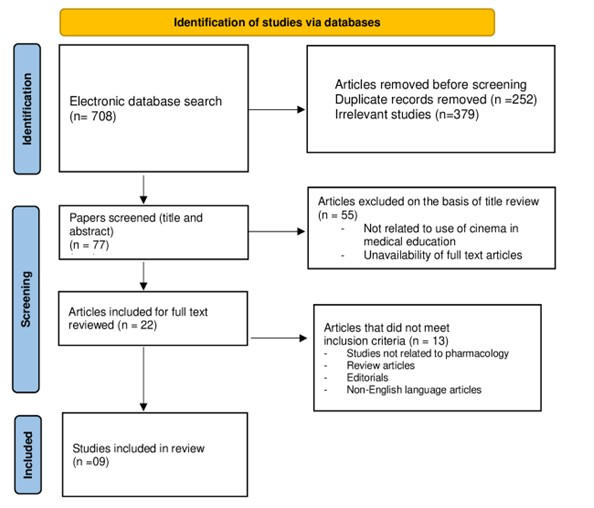
Figure 1. Study selection flow diagram (Prisma Flow diagram)
A quantitative synthesis of pre/post-test data was not undertaken due to substantial heterogeneity in outcome measures, assessment tools, scoring systems, and reporting formats. Only three studies (Cambra-Badii, 2020; Cambra-Badii, 2024; Patel et al., 2022) provided pre/post-intervention knowledge data, but variations in question types, item numbers, and scoring methods precluded meaningful pooling. The results are therefore narratively presented with an emphasis on ethical, affective, and cognitive outcomes. Most of the included studies had post-test, pre/post-test, or single-group designs without a control arm. The lack of comparator groups makes it challenging to attribute improvements to the intervention alone, even though these designs show that cinemeducation has positive effects. This is because confounding factors, such as related coursework, cannot be completely ruled out. The formats of the interventions also differed, ranging from short clips incorporated into lectures to full-length film screenings. Shorter clips were more focused on particular pharmacology or patient management concepts, whereas full films tended to offer richer narratives that encouraged ethical reflection and empathy. These variations probably affected the scope of learning objectives and added to limited quantitative synthesis.
|
Sl. No. |
Authors, Year, Country |
Study design / settings |
Participants |
Intervention |
Result |
|
1 |
Cambra-Badii 2024, Spain |
Qualitative study, pre & post-test questionnaire |
70 medical students, 2nd year |
TV series ‘The Resident’ centred on patient safety, focused on adverse events during hospitalisation and error management. Pre and post intervention scores, 10 questions on patient safety, single best answer. Also, 2 open ended questions were used. |
Cinemeducation significantly improve learning on patient safety in complex situations.
|
|
2 |
Desai & Kakodkar, 2022, India |
Qualitative study, pre & post-test questionnaire |
111 students, from 3rd year Bachelor of Pharmacy |
Movie/ web series were used. Presentation of topics related to pharmacology of drugs like ephedrine, cocaine, alcohol, beta blockers, digitalis. Pedagogy notes to be written and Fill feedback google form, 8 closed ended questionnaire using Likert scale. |
Movies are an effective academic method for learning pharmacology. It makes learning interesting, increases enthusiasm and motivation for learning, piques students’ curiosity, accelerates learning, helps them retain information, and aids in understanding the subject through visual imaging. |
|
3 |
Patel et al., 2022, India |
Qualitative study prospective, longitudinal, interventional study |
139 second professional year medical students
|
Watch movie clips à divided into groups à presentation and Individual reflection writing done. Feedback was taken. Pre & post-test questionnaire to test baseline & change in knowledge about the ethics (informed consent, clinical trial enrolment & details about, inform drugs) and right to choose treatment available. |
The students said they would treat patients with respect, honour their choices of treatment, follow ethics and professionalism, respect co-workers. |
|
4 |
Picanço et al., 2019, Brazil |
An exploratory, cross-sectional, quantitative study was conducted |
107 students, first- to sixth-year students from the Medicine course
|
Two Movies were screened. The psychometric scale (questionnaire) with Likert scale responses, included the primary health care, physician’s role and importance of research were utilised. |
The preclinical series of the medical course uses films as an effective teaching tool to develop humanistic attitudes.
|
|
5 |
Kadivar et al., 2018, Iran |
Quantitative and qualitative data analysis |
270 medical students participated in this study |
Student viewed 09 movies in different sessions, related to biopsychosocial topics like palliative care, managing terminal illness and ethics in medical care, palliative care and mental illness. Group discussion and post-test questionnaire with 11 questions with Likert scale and one open ended question about perception & attitude were used. |
Through watching and analysing films, medical students can gain knowledge on psychosocial topics related to medicine through cinemedicine.
|
|
6 |
Shankar et al., 2016, Netherlands |
Qualitative data analysis |
60 basic science undergraduate medical students |
Two Movies were screened and student presented on findings related to enrolling a patient in clinical trials, process of obtaining written informed consent, treatment modalities. Later student presentation and feedback was obtained through questionnaire. |
The session received great reviews from the students. Movies help medical students learn about humanistic issues, improve their comprehension of death and dying, and promote professionalism. |
|
7 |
Kersnik & Klemenc-Ketiš, 2011, Slovenia
|
Qualitative data analysis
|
Group of eleven fourth year medical students |
Students watch movie, followed by discussion and reflection writing & presentations on the topics. Topics chosen were (doctor/patient communication, ethical issues and the role of doctor and nurse in palliative care). |
Students understood that physicians should respect patients’ ability to select their own treatments and offer palliative care.
|
|
8 |
Lumlertgul et al., 2009, Thailand |
Qualitative study |
26 second-year (preclinical) medical students
|
Five movies were chosen for the project and ethical issues were depicted as main themes for group discussion, which included the doctor–patient relationship, informed consent and clinical trials in patients, management of genetic disorders, patient management, and brain death and organ transplantation. Movie screening followed by discussion. Questionnaire and reflection writing were used. |
Movies have proven to be an effective and entertaining method of facilitating students with learning on professionalism. |
|
9 |
Cambra-Badii, 2020, Spain |
Exploratory comparative analysis |
237 students participated in the study |
Movie clips were used to study the pharmacovigilance processes and adverse drug effects. Also, the film shows about the importance of a signal alert, the studies needed to confirm/reject causality of an adverse drug event, and the roles of the pharmaceutical industry and public health agencies. Pre & post-test questionnaire were used. |
The teaching activity used in this study helped students learn about adverse drug reactions and the process of pharmacovigilance. |
Table 1. Characteristics of the included studies in the review
|
QuADS criteria |
Author & year |
||||||||
|
Cambra-Badii, 2024 |
Desai & Kakodkar, 2022 |
Patel et al., 2022 |
Picanço et al., 2019 |
Kadivar et al., 2018 |
Shankar et al., 2016 |
Kersnik & Klemenc-Ketiš, 2011 |
Lumlertgul et al., 2009 |
Cambra-Badii, 2020 |
|
|
Theoretical or conceptual underpinning to the research |
2 |
2 |
1 |
1 |
1 |
1 |
2 |
3 |
2 |
|
Statement of research aim/s |
3 |
2 |
2 |
2 |
3 |
2 |
3 |
3 |
2 |
|
Clear description of research setting and target population |
3 |
3 |
3 |
3 |
3 |
3 |
3 |
3 |
3 |
|
The study design is appropriate to address the stated research aim/s |
3 |
2 |
3 |
3 |
3 |
3 |
3 |
3 |
3 |
|
Appropriate sampling to address the research aim/s |
2 |
2 |
3 |
2 |
3 |
1 |
1 |
1 |
3 |
|
Rationale for choice of data collection tool/s |
2 |
2 |
3 |
3 |
2 |
2 |
2 |
3 |
3 |
|
The format and content of data collection tool is appropriate to address the stated research aim/s |
3 |
3 |
3 |
3 |
3 |
3 |
3 |
3 |
3 |
|
Description of data collection procedure |
3 |
3 |
3 |
3 |
2 |
3 |
3 |
3 |
3 |
|
Recruitment data provided |
3 |
3 |
3 |
3 |
3 |
3 |
3 |
3 |
3 |
|
Justification for analytic method selected |
2 |
2 |
3 |
3 |
1 |
0 |
0 |
0 |
3 |
|
The method of analysis was appropriate to answer the research aim/s |
3 |
3 |
2 |
3 |
2 |
1 |
2 |
3 |
3 |
|
Evidence that the research stakeholders have been considered in research design or conduct. |
2 |
0 |
0 |
0 |
1 |
0 |
0 |
0 |
0 |
|
Strengths and limitations critically discussed |
2 |
1 |
1 |
1 |
1 |
2 |
2 |
1 |
3 |
|
Total score (%) |
33/39 (85%) |
28/39 (72%) |
30/39 (77%) |
30/39 (77%) |
29/39 (74%) |
24/39 (62%) |
27/39 (69%) |
29/39 (74%) |
34/39 (87%) |
|
Quality of study |
High |
Moderate |
High |
High |
Moderate |
Moderate |
Moderate |
Moderate |
High |
Table 2. Quality assessment of reviewed studies using the Quality Assessment of Diverse Studies (QuADS) criteria
IV. DISCUSSION
This study aimed to explore the applications and reported outcomes of incorporating movies/films into pharmacology teaching and their impact on enhancing knowledge and skills among undergraduate students. A qualitative review of nine eligible studies revealed various cinemeducation strategies employed as teaching tool in undergraduate pharmacology education. These studies demonstrated that using movie clips are a promising tool for enhancing engagement and understanding in pharmacology. It makes classes more engaging, sparks student interest, enhances learning, aids knowledge retention, and makes the process enjoyable. Additionally, it fosters greater interest and motivation, helps students grasp concepts through visual representation, and improves understanding of empathy, research ethics, patient care, palliative care, error management in complex scenarios, and autonomy in treatment choices. The findings strongly support cinemeducation as a valuable tool for medical education, effectively enhancing both knowledge and skills.
Medical education is encountering new and evolving challenges. Over the past few decades, the field of pharmacology has significantly expanded its scope. Traditional teaching methods, such as lectures and practical sessions, are increasingly being replaced by innovative pedagogical approaches to enhance the conceptual understanding of pharmacology. A recent systematic review of these methods highlighted the positive impact of using movies in pharmacology education across various health disciplines (Baños et al., 2024). Films have been utilised to teach diverse topics, including pharmacology concepts, preclinical and clinical research, pharmacovigilance, medical ethics, the doctor-patient relationship, microbiology, mental health, drug addiction, palliative care, pain management, medical professionalism, and social conflicts in healthcare (Baños et al., 2024; Cambra-Badii, 2020; Darbyshire & Baker, 2012; Farre et al., 2004; Icart Isern, 2012). Historically, the movie Awakenings was among the first to be used in pharmacology education, with Koren employing it to teach principles of clinical pharmacology to medical students. This approach proved to be a valuable tool for improving pharmacology instruction (Koren, 1993).
Movies serve as an excellent tool to boost students’ motivation to grasp clinical pharmacology principles and can inspire a stronger desire to learn (Farre et al., 2004). A recent systematic review highlights several popular films that are particularly effective for teaching topics such as basic and clinical pharmacology, drug research, and bioethics. These include Awakenings, Lorenzo’s Oil, Miss Evers’ Boys, The Fugitive, Wit, The Constant Gardener, Side Effects, and Dallas Buyers Club (Baños et al., 2024). Additionally, various TV series, such as House MD, Emergency Room (ER), Grey’s Anatomy, The Resident, and New Amsterdam have been employed to teach concepts like pharmacovigilance, drug abuse, pharmacological classifications, and the doctor-patient relationship, which can influence therapeutic compliance (Baños et al., 2024; Cambra-Badii, 2024; Desai & Kakodkar, 2022; Williams et al., 2015). Notably, House MD episodes have proven effective for teaching clinical pharmacology (Wicclair, 2008). Another example of cinemeducation is the film Wit, which portrays pain management in a woman undergoing chemotherapy for late-stage ovarian cancer. This movie helped students understand approaches to pain management and the importance of professionalism in patient care (Carpenter et al., 2008). A study demonstrated that incorporating the TV series The Resident into teaching effectively enhanced students’ understanding of patient safety strategies in complex situations. Students reported gaining valuable insights into identifying, preventing, and managing adverse events, showcasing learning progression from Level 1 to Level 5 of Bloom’s Taxonomy (Cambra-Badii, 2024).
Movies have been utilised effectively to teach medical students ethics and professionalism in countries such as the USA, Brazil, Israel, and Korea (Shankar, 2019). Given that Indian Medical Graduates (IMGs) are frequently seen to be less competent in comprehending the moral implications of informed consent in clinical research, a study was carried out to use cinemeducation to teach second-year medical students about ethics (Patel et al., 2022). Most participants thought this approach was a good way to teach ethics and professionalism. The study revealed strong agreement among students on the importance of obtaining informed consent, thoroughly explaining clinical trials, and discussing potential adverse drug reactions with patients before their enrolment (Patel et al., 2022). Additionally, students emphasised the significance of informing patients about their treatment options. It was also discovered that using fictional audio-visual materials encouraged students to think critically and morally, pushing them to consider ethical issues outside of the scope of textbooks (Piqué-Buisan, Sorribes, & Cambra-Badii, 2024).
Palliative care, an evolving medical field, often highlights the limitations of modern medical technologies and is fraught with ethical dilemmas, communication challenges, and professional behaviour issues (Meier & Morrison, 2004). Through the movie Wit, students identified several key aspects of palliative medicine and began to understand their significance. They recognised that doctors should incorporate palliative care as a legitimate form of treatment, emphasising that managing symptoms is just as crucial as addressing pain and providing psychological support. Additionally, students believed that palliative care planning should be done in collaboration with patients, particularly regarding critical decisions such as resuscitation (Kersnik & Klemenc-Ketiš, 2011).
The articles reviewed indicate that most experiences with movies lead to increased knowledge and higher student satisfaction. In this review, some authors suggested that a traditional lecture prior to viewing these materials is essential to help students retain key theoretical concepts and terminology afterward. They provided a brief lecture about the process, to clear concepts and hands on training was conducted for the participants, which primarily helped them to develop their rational thinking and cognitive skills and aided to write reflections at the end of the project (Kersnik & Klemenc-Ketiš, 2011; Lumlertgul et al., 2009; Patel et al., 2022), Similar results were found with previous studies, where they suggested that using cinematic resources alone may not significantly augment students’ acquaintance and should be complemented with didactic classes to reinforce core concepts (Aboul-Fotouh & Asghar-Ali, 2010; Self, 1993). Thus, finding a balance between this creative approach and conventional teaching techniques might be the most effective way to promote learning.
In our review, some studies utilised entire movies (Kadivar et al., 2018; Lumlertgul et al., 2009; Picanço et al., 2019; Shankar et al., 2016) while others relied on selected video clips (Baños et al., 2024; Cambra-Badii, 2024; Lumlertgul et al., 2009). While authors acknowledged that watching an entire movie could be time-consuming, they noted it provided valuable context for each character and helped students better understand the complex and controversial issues presented. Similarly, earlier studies have recommended viewing the full movie (Masters, 2005; Silk & Weber, 2007) as part of the learning process, whereas others argue that a few carefully selected clips are sufficient to achieve the desired educational outcomes (Alexander, 2002; Blasco, 2006; Onsman & Ventura, 2009). Some authors recommended adding one to two-minute movie clips that referenced the topic being covered to power point presentations in pharmacology lectures. These clips received positive feedback because they allowed students to connect theory to simulated practice, encouraged them to attend lectures, and served as a sectioning break that kept them interested throughout the entire lecture (Onsman & Ventura, 2009). According to encouraging faculty input, students’ attention spans, retention of the material, and engagement were all enhanced by cinemeducation, which also helps to associate the films with real-life situations. Faculty pointed out that this approach has several shortcomings, including the possibility of pupils misinterpreting the situation, the need for extensive technical assistance, and the fact that it can only cover a limited number of topics (Patel et al., 2022).
To sum up, incorporating films alongside traditional teaching methods has received positive feedback from students, as it helps review and enhances the retention of theoretical concepts. These films promote lively debates on difficult pharmacology subjects, like the difficulties of organising and carrying out clinical trials on novel medications, the significance of following bioethical guidelines in human subjects’ research, Pharmacovigilance, and the psychological and social facets of medication treatment. Still, others contend that engaging with actual patients or taking part in bedside rounds can offer more worthwhile educational opportunities.
A significant disadvantage of using films is the time required for preparation and scheduling during the academic calendar. Furthermore, films may sometimes exaggerate medical or pharmacological information for dramatic effect. The main limitation of our systematic review is the selection of databases, which may have excluded publications in other languages. The primary drawback is the lack of a comparison group employing alternative teaching methods in the included studies. Furthermore, these studies focused only on immediate knowledge gains, without exploring long-term knowledge retention or evaluating the impact on the clinical application of that knowledge. Additional restrictions that could restrict the findings’ generalisability include the diversity of medical programs, English language bias, and the prevalence of cross-sectional studies. Although they draw attention to important gaps in the literature, the comparatively small number of studies on some fields may also limit interpretation. Lastly, publication bias may have influenced the findings of this review, as most included studies reported favorable outcomes. Negative or neutral findings may be underrepresented in the literature, thereby skewing the overall perception of cinemeducation’s usefulness.
Few practical recommendations for teachers include, educators can select films or clips that match the learning objectives, are relevant to the topic, and are of suitable length. Short clips (5–10 minutes) that clearly show key concepts work best. These can be combined with traditional teaching methods and followed by discussions or reflection activities to deepen understanding.
V. CONCLUSION
Cinemeducation emerges as a valuable adjunct in pharmacology education, with reported benefits in enhancing student engagement, contextual understanding, and reflective thinking. Integrating short, thematically relevant film clips – addressing issues such as drug use, side effects, ethical dilemmas, and informed consent – into lectures, followed by guided discussions or reflection activities, can enrich the learning experience. Current evidence primarily highlights short-term gains; further studies are needed to explore its influence on long-term knowledge retention, professional attitudes, and clinical practice. Beyond pharmacology, cinemeducation holds potential for wider application in fields such as public health, physiotherapy, and nursing, thereby extending its educational impact.
Notes on Contributors
Dr Jyoti M. benni contributed to conceptual development of the study, conducting the literature search, reviewing the literature retrieved, synthesising the data, data analysis, writing and reviewing the manuscript.
Dr Anupama M. Gudadappanavar contributed to conducting the literature search, reviewing the literature retrieved, synthesising the data and reviewing the manuscript.
Ethical Approval
As this study is a systematic review, ethical approval is not required. The review is registered in PROSPERO – The International Prospective Register of Systematic Reviews, with the registration number CRD42024568417.
Data Availability
All reviewed articles reported in this systematic review are listed in the References section for readers to access.
Funding
The study was not funded by any funding agencies.
Declaration of Interest
The author declares no conflict of interest.
References
Aboul-Fotouh, F., & Asghar-Ali, A. A. (2010). Therapy 101: A psychotherapy curriculum for medical students. Academic Psychiatry, 34(4), 248-252. https://doi.org/10.1176/appi.ap.34.4.248
Agrawal, M., & Sankdia, R. K. (2016). Attitude of medical students towards the use of audio-visual aids during didactic lectures in pharmacology in a medical college of central India. International Journal of Basic & Clinical Pharmacology, 5(2), 416-422. http://dx.doi.org/10.18203/2319-2003.ijbcp20160755
Albert, F. A., Seidu, A. A., Mason, H. M., Anderson, E., Alele, F. O., Heggarty, P., Hollins, A., Gupta, T. S., Hays, R. B., McArthur, L., & Malau-Aduli, B. S. (2024). A systematic review of medical practitioners’ retention and application of basic sciences to clinical practice. BMC Medical Education, 24, 997. https://doi.org/10.1186/s12909-024-05952-8
Alexander, M., Hall, M. N., & Pettice, Y. J. (1994). Cinemeducation: An innovative approach to teaching psychosocial medical care. Family Medicine, 26(7), 430-433.
Alexander, M. (2002). The doctor: A seminal video for Cinemeducation. Family Medicine, 34, 92-94.
Baños, J. E., Blanco-Reina, E., Bellido-Estévez, I., Bosch F., Cabello, M. R., Cambra-Badii, I., De la Cruz, J. P., D’Ocón, P., Ivorra, M. D., Ferrándiz, M., González-Correa, J. A., Martín-Montañez, E., Martos, F., Pavía, J. & Sanz, E. (2024). Beyond lectures and practical courses: Teaching pharmacology using imaginative pedagogical tools. Pharmacological Research, 202, 107130. https://doi.org/10.1016/j.phrs.2024.107130
Blasco, P. G., Moreto, G., Roncoletta, A. F., Levites, M. R., & Janaudis, M. A. (2006). Using movie clips to foster learners’ reflection: Improving education in the affective domain. Family Medicine, 38(2), 94-96.
Burrows, H. S., & Tamlyn, R. N. (1989). Problem-based learning: An approach to medical education. Springer.
Cambra-Badii, I., Francés, M. L., Videla, S., Farré, M., Montané, E., Blázquez, F., & Baños, J. E. (2020). Cinemeducation in clinical pharmacology: Using cinema to help students learn about pharmacovigilance and adverse drug reactions. European Journal of Clinical Pharmacology, 76(12), 1653-1658. https://doi.org/10.1007/s00228-020-02985-y
Cambra-Badii, I., Gomar-Sancho, C., Mastandrea, P. B., Arrebola-Trias, X., Baños, J. E., Farriols, R. P., & Gonzalez-Caminal, G. (2024). Cinemeducation to teach patient safety: An experience in medical students. Humanities and Social Sciences Communications, 11, 561. https://doi.org/10.1057/s41599-024-03054-w
Carpenter, J., Stevenson, B., & Carson, E. (2008). Creating a shared experience: Using movies in nursing education. Nurse Educator, 33, 103-104. https://doi.org/10.1097/01.NNE.0000312182.98023.86
Darbyshire, D., & Baker, P. (2012). A systematic review and thematic analysis of cinema in medical education. Medical Humanities, 38(1), 28-33. https://doi.org/10.1136/medhum-2011-010026
Desai, S. M., & Kakodkar, P. V. (2022). Using clips from movies and web series as a pedagogic method for learning pharmacology. Pharmacy Education, 22(1), 445-449. https://doi.org/10.46542/pe.2022.221.445449
Farre, M., Bosch, F., Roset, P. N., & Baños, J. E. (2004). Putting clinical pharmacology in context: The use of popular movies. Journal of Clinical Pharmacology, 44(1), 30-36. http://dx.doi.org/10.1177/0091270003260679
Fritz, G. K., & Poe, R. O. (1979). The role of a cinema seminar in psychiatric education. American Journal of Psychiatry, 136(2), 207-210. http://dx.doi.org/10.1176/ajp.136.2.207
Harrison, R., Jones, B., Gardener, P., & Lawton, R. (2021). Quality Assessment with Diverse studies (QuADS): An appraisal tool for methodological and reporting quality in systematic reviews of mixed- or multi-method studies. BMC Health Services Research, 21, 144. https://doi.org/10.1186/s12913-021-06122-y
Icart Isern, M. T., & Donaghy, K. (2012). Films in health sciences education: Learning through moving images. Ediciones Universitat de Barcelona.
Jayakaran, S., Chavda, N., Yadav, P., & Kantharia, N. D. (2010). Intern doctors’ feedback on teaching methodology in pharmacology. Journal of Pharmacology & Pharmacotherapeutics, 1(2), 114-116. https://doi.org/10.4103/0976-500X.72359
Kadivar, M., Mafinejad, M. K., Bazzaz, J. T., Mirzazadeh, A., & Jannat, Z. (2018). Cinemedicine: Using movies to improve students’ understanding of psychosocial aspects of medicine. Annals of Medicine and Surgery, 21(28), 23-27. https://doi.org/10.1016/j.amsu.2018.02.005
Klemenc-Ketiš, Z., & Kersnik, J. (2011). Using movies to teach professionalism to medical students. BMC Medical Education, 11, 60. https://doi.org/10.1186/1472-6920-11-60
Koren, G. (1993). Awakenings: Using a popular movie to teach clinical pharmacology. Clinical Pharmacology & Therapeutics, 53(1), 3-5. https://doi.org/10.1038/clpt.1993.2
Lumlertgul, N., Kijpaisalratana, N., Pityaratstian, N., & Wangsaturaka, D. (2009). Cinemeducation: A pilot student project using movies to help students learn medical professionalism. Medical Teacher, 31(7), e327-e332. https://doi.org/10.1080/01421590802637941
Masters, J. C. (2005). Hollywood in the classroom. Nurse Educator, 30(3), 113-116. https://doi.org/10.1097/00006223-200505000-00013
Medical Council of India. (2019). Foundation course for the undergraduate medical education program. Medical Council of India. https://www.nmc.org.in/wp-content/uploads/2020/08/FOUNDATION-COURSE-MBBS-17.07.2019.pdf
Morrison, R. S., & Meier, D. E. (2004). Clinical practice: Palliative care. New England Journal of Medicine, 350, 2582-2590. https://doi.org/10.1056/NEJMcp035232
Roy, M., & Saha, N. (2015). Medical students and the use of mixed audio-visual aids in lecture classes. IOSR Journal of Dental and Medical Sciences, 14(12), 1-4. http://dx.doi.org/10.9790/0853-141256870
Padmanabha, T. S., Manu, G., Kulkarni, G. P., Chandrakantha, T., & Neha, K. (2016). Second year medical student’s feedback and perspective on teaching methodology in pharmacology in a tertiary care teaching hospital from India. Scholars Journal of Applied Medical Sciences, 4(6C), 2089-2094. https://doi.org/10.21276/SJAMS.2016.4.6.45
Page, M. J., Moher, D., Bossuyt, P. M., Boutron, I., Hoffmann, T. C., Mulrow, C. D., Shamseer, L., Tetzlaff, J. M., Akl, E. A., Brennan, S. E., Chou, R., Glanville, J., Grimshaw, J. M., Hróbjartsson, A., Lalu, M. M., Li, T., Loder, E. W., Mayo-Wilson, E., McDonald, S., … McKenzie, J. E. (2021). PRISMA 2020 explanation and elaboration: Updated guidance and exemplars for reporting systematic reviews. British Medical Journal, 372, n160. https://doi.org/10.1136/bmj.n160
Parimala, K., Subash, K. R., Jagan, N., Vijay Kumar, S., Vishwanath, S., & Chandrashekar, M. (2013). Assessment of pharmacology teaching – A critical appraisal by medical school learners. International Journal of Medical Research & Health Sciences, 2(2), 124-129. https://dx.doi.org/10.5958/j.2319-5886.2.2.001
Patel, P. P., Gandhi, A. M., & Desai, C. K. (2022). Cinemeducation: A teaching-learning tool to teach professionalism and ethics in medical undergraduates. International Journal of Basic & Clinical Pharmacology, 11, 91-96. https://dx.doi.org/10.18203/2319-2003.ijbcp20220405
Picanço, T., Nazima, M., Santos, B., Júnior, O., Cambraia, M., Morais, L., Pena, L., & Costa, K. (2019). Films as an educational resource in the teaching of humanistic attitudes to medicine students. Revista Brasileira de Educação Médica, 43(Suppl.1), 57-68. https://doi.org/10.1590/1981-5271v43suplemento1-20180164.ing
Piqué-Buisan, J., Sorribes, E., & Cambra-Badii, I. (2024). Exploring the impact of using cinema and TV series in medical education: A systematic review. Medicina Clínica Práctica, 2, 100421. https://doi.org/10.1016/j.mcpsp.2023.100421
Priyadarshini, K. S., Shetty, H. V., Reena, R. (2012). Assessment of different teaching aids and teaching methods for the better perception of biochemistry by 1st MBBS students. Journal of Evolution of Medical and Dental Sciences, 1(6), 1159-1165. http://dx.doi.org/10.21276/sijap.2019.2.3.11
Saab, B. R., Usta, J., Major, S., Musharrafieh, U., & Ashkar, K. (2005). Communication skills in a Lebanese medical school: From movie theaters to medical classrooms. Family Medicine, 37(2), 90-92. https://pubmed.ncbi.nlm.nih.gov/15690245/
Sahu, D. R., & Supe, A. N. (2000). The art and science of presentation: 35-mm slides. Journal of Postgraduate Medicine, 46(4), 280-285. https://pubmed.ncbi.nlm.nih.gov/11435658/
Self, D. J., Baldwin, D. C. Jr., & Olivarez, M. (1993). Teaching medical ethics to first-year students by using film discussion to develop their moral reasoning. Academic Medicine, 68(5), 383-385.
Seth, V., Upadhyaya, P., Ahmad, M., & Kumar, V. (2010). Impact of various lecture delivery methods in pharmacology. EXCLI Journal, 9, 96-101. https://pubmed.ncbi.nlm.nih.gov/29255392/
Shankar, P. R., Rose, C., Balasubramanium, R., Nandy, A., & Friedmann, A. (2016). Using movies to strengthen learning of the humanistic aspects of medicine. Journal of Clinical and Diagnostic Research, 10(1), JC05-JC07. https://doi.org/10.7860/JCDR/2016/16264.7066
Shankar, P. R. (2019). Cinemeducation: Facilitating educational sessions for medical students using the power of movies. Archives of Medicine and Health Sciences, 7, 96-103. http://dx.doi.org/10.4103/amhs.amhs_30_19
Shelley, B. P. (2016). Re-humanizing “high-tech, no touch” medicine: Narrative medicine and cinemeducation perspectives. Archives of Medicine and Health Sciences, 4(1), 1-5. http://dx.doi.org/10.4103/2321-4848.183367
Sim, S. M. (2004). Teaching of pharmacology in Universiti Malaya and the other medical schools in Malaysia – A historical perspective. Acta Pharmacologica Sinica, 25(9), 1209-1219. https://pubmed.ncbi.nlm.nih.gov/15339399/
Swanwick, T. (2018). Understanding medical education. In T. Swanwick, K. Forrest, & B. C. O’Brien (Eds.), Understanding medical education: Evidence, theory, and practice (pp. 1-6). Wiley-Blackwell. https://doi.org/10.1002/9781119373780.ch1
Ventura, S., & Onsman, A. (2009). The use of popular movies during lectures to aid the teaching and learning of undergraduate pharmacology. Medical Teacher, 31(7), 662-664. https://doi.org/10.1080/01421590802641489
Weber, C. M., & Silk, H. (2007). Movies and medicine: An elective using film to reflect on the patient, family, and illness. Family Medicine, 39(5), 317-319. https://pubmed.ncbi.nlm.nih.gov/17476603/
Wicclair, M. R. (2008). The pedagogical value of House, M.D.: Can a fictional unethical physician be used to teach ethics? American Journal of Bioethics, 8, 16-17. https://doi.org/10.1080/15265160802478503
Williams, R., Evans, L., & Alshareef, N. T. (2015). Using TV dramas in medical education. Education for Primary Care, 26(1), 48-49. https://doi.org/10.1080/14739879.2015.11494308
*Dr Jyoti M. Benni
Department of Pharmacology,
Jawaharlal Nehru Medical College,
KLE Academy of Higher Education and Research (KAHER),
Deemed-to-be-University, Belagavi-590010. Karnataka. India
Email: benni_jyoti@yahoo.co.in
Announcements
- Best Reviewer Awards 2025
TAPS would like to express gratitude and thanks to an extraordinary group of reviewers who are awarded the Best Reviewer Awards for 2025.
Refer here for the list of recipients. - Most Accessed Article 2025
The Most Accessed Article of 2025 goes to Analyses of self-care agency and mindset: A pilot study on Malaysian undergraduate medical students.
Congratulations, Dr Reshma Mohamed Ansari and co-authors! - Best Article Award 2025
The Best Article Award of 2025 goes to From disparity to inclusivity: Narrative review of strategies in medical education to bridge gender inequality.
Congratulations, Dr Han Ting Jillian Yeo and co-authors! - Best Reviewer Awards 2024
TAPS would like to express gratitude and thanks to an extraordinary group of reviewers who are awarded the Best Reviewer Awards for 2024.
Refer here for the list of recipients. - Most Accessed Article 2024
The Most Accessed Article of 2024 goes to Persons with Disabilities (PWD) as patient educators: Effects on medical student attitudes.
Congratulations, Dr Vivien Lee and co-authors! - Best Article Award 2024
The Best Article Award of 2024 goes to Achieving Competency for Year 1 Doctors in Singapore: Comparing Night Float or Traditional Call.
Congratulations, Dr Tan Mae Yue and co-authors! - Best Reviewer Awards 2023
TAPS would like to express gratitude and thanks to an extraordinary group of reviewers who are awarded the Best Reviewer Awards for 2023.
Refer here for the list of recipients. - Most Accessed Article 2023
The Most Accessed Article of 2023 goes to Small, sustainable, steps to success as a scholar in Health Professions Education – Micro (macro and meta) matters.
Congratulations, A/Prof Goh Poh-Sun & Dr Elisabeth Schlegel! - Best Article Award 2023
The Best Article Award of 2023 goes to Increasing the value of Community-Based Education through Interprofessional Education.
Congratulations, Dr Tri Nur Kristina and co-authors! - Best Reviewer Awards 2022
TAPS would like to express gratitude and thanks to an extraordinary group of reviewers who are awarded the Best Reviewer Awards for 2022.
Refer here for the list of recipients. - Most Accessed Article 2022
The Most Accessed Article of 2022 goes to An urgent need to teach complexity science to health science students.
Congratulations, Dr Bhuvan KC and Dr Ravi Shankar. - Best Article Award 2022
The Best Article Award of 2022 goes to From clinician to educator: A scoping review of professional identity and the influence of impostor phenomenon.
Congratulations, Ms Freeman and co-authors.