
From Banking to Precision Medicine: My Search for a Meaningful Career
6 July 2026
From the outside, my career in the technology department of a bank looked flawless. It was a fast-paced environment where I built a robust foundation in enterprise technology and systems architecture. I had great colleagues, a stable income, and a secure path up the corporate ladder. Inside, however, I felt a deep sense of misalignment. Building and maintaining financial systems, no matter how steep the learning curve, ultimately left me indifferent.
Precision medicine stood out immediately. It offered the exact intersection of the two disciplines I cared about: leveraging sophisticated computational analysis of complex biological data to drive profound, real-world impacts on clinical outcomes.

Bridging the Knowledge Gap
There was just one problem: it had been almost seven years since I had sat in a biology classroom, and I was genuinely anxious about whether I was up for the challenge. As a first step, I dug out my old J2 biology textbook. I had kept it all those years, almost as if my eighteen-year-old self knew I would need it again. Revisiting mitosis, meiosis, and the A-level pain I thought I had left behind was daunting, and I knew that just reading facts would quickly become a chore.
To keep myself engaged, I turned to alternative formats. Siddhartha Mukherjee's The Gene: An Intimate History served as a brilliant primer on the central dogma of biology, while well-produced YouTube explainers helped me visualise multi-step cellular processes. But no amount of solitary preparation gets you all the way there. During the course, I leaned heavily on classmates who knew the subject better and read extensively outside of lectures.
Beyond the Code: The Realities of Precision Health
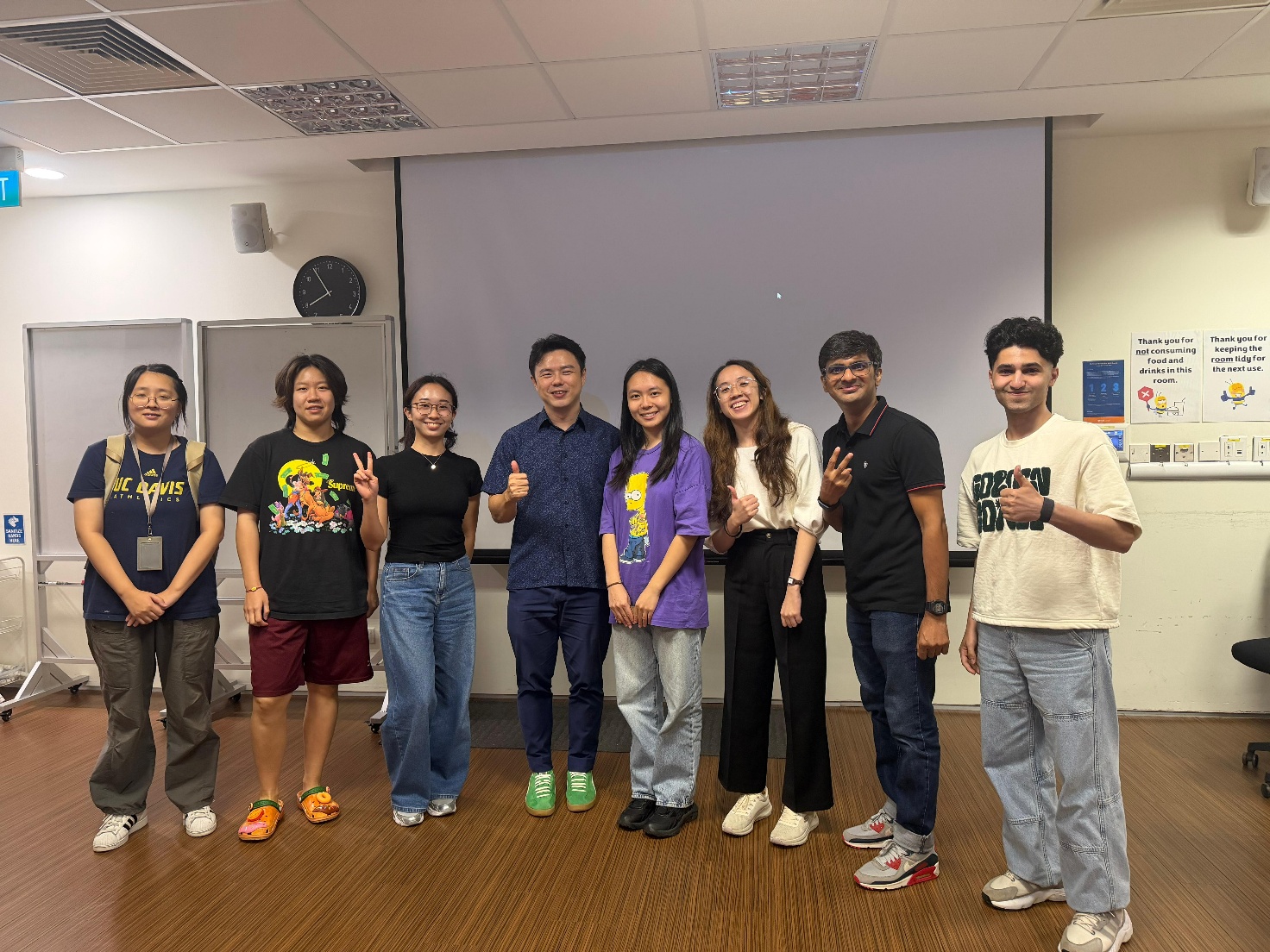
Coming from a background in computer science and business analytics, it was thrilling to watch the exact computational tools I already knew be applied to molecular, genomic, and imaging data. The curriculum also opened my eyes to the overarching ecosystems of healthcare. One of the biggest takeaways for me was that uncovering a genetic predisposition without an actionable clinical path forward can cause real psychological harm. This is why whatever data systems we build must aim for predictive clinical action, not just mere detection.
Translating Data into Clinical Action
Currently, for my capstone project, I am embarking on a nine-month internship with Medtronic's Research and Development division. This role places me exactly where I want to be: at the intersection of data engineering, advanced analytics, and healthcare product strategy. I will be querying and structuring large, high-frequency medical device datasets, developing algorithms, and surfacing hidden trends that translate into actionable clinical insights.
What draws me most to this work is its translational core — the ability to move scientific discoveries directly from the laboratory to the bedside. This is the exact dual expertise I want to build my career on: designing robust data architectures for cohort-scale biological data while staying at the forefront of the analytics that turn that data into life-changing clinical action.
A Message to the Next Cohort
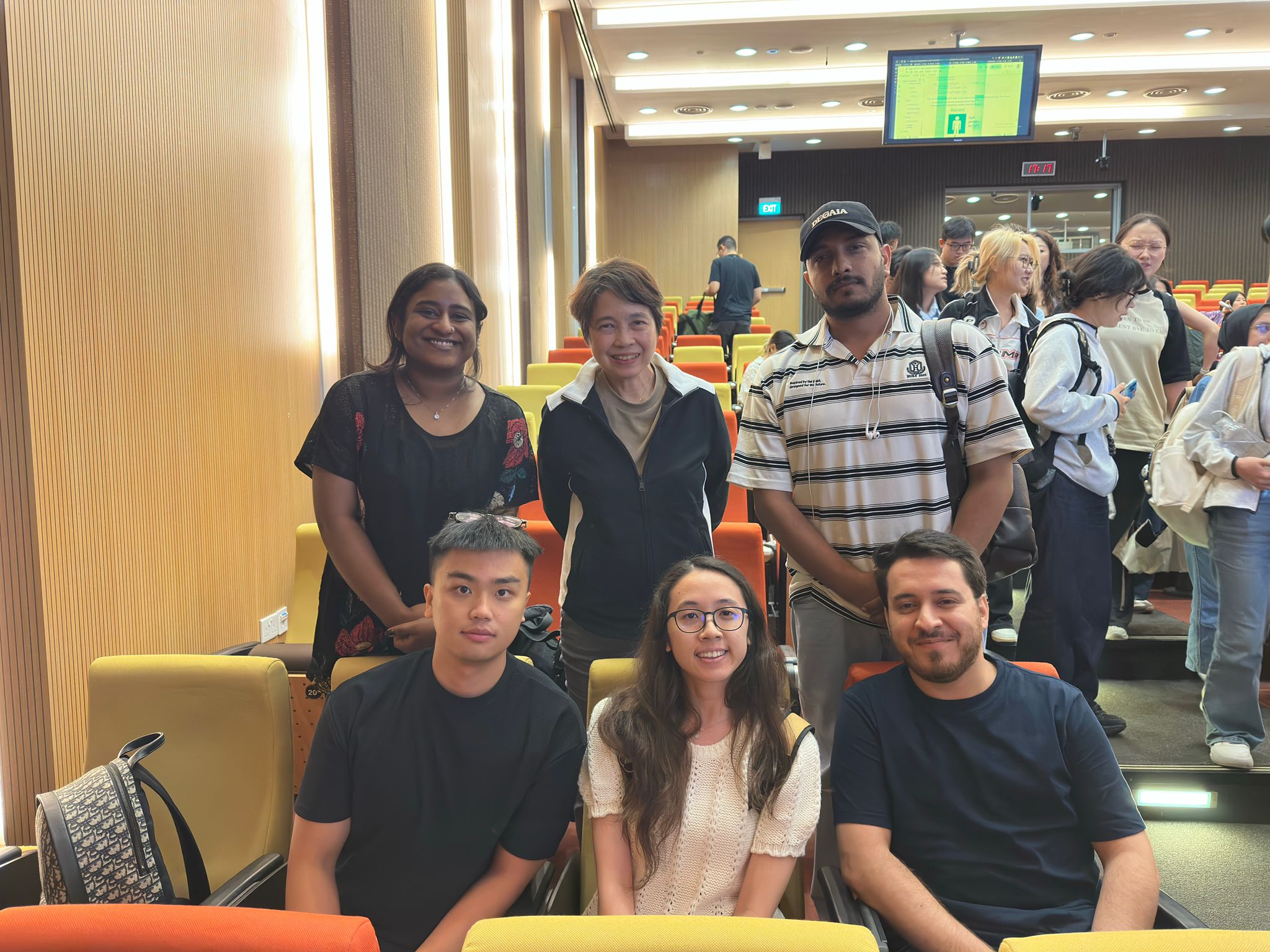
My advice to those embarking on this journey is to be open to learning things well outside your comfort zone, and to believe in yourself. If you do not have a biological or medical background, it is incredibly easy to feel small next to classmates who possess deep expertise in the field. I have felt that way myself.
About the student
Student: Ms Jerlyn Lim En Hui
Programme: 2025 MScPHM with Capstone
Jerlyn spent the early part of her career in the technology department of a bank, building a foundation in enterprise technology and systems architecture before deciding that she wanted her work to feel more purposeful. With a background in computer science and business analytics, she joined the MScPHM programme at NUS Medicine to apply the computational tools she already knew to molecular, genomic, and imaging data. For her capstone she is undertaking a nine-month internship with Medtronic's Research and Development division, working at the intersection of data engineering, advanced analytics, and healthcare product strategy. She hopes to build a career designing robust data architectures for cohort-scale biological data while advancing the analytics that turn that data into clinical action.