
From Pharmacy to Precision Medicine: In Search of the Bridge Between Science and Business
6 July 2026
By the time I finished my internships — one behind a community pharmacy counter in Taipei, the other inside a hospital ward — I already had my answer, even if I was not ready to admit it yet: the traditional clinical path was not where I belonged. Watching pharmacy practice play out from both sides of the counter, and both sides of the world, pushed me to a true crossroads. Pure academic research sat on one side; a corporate or industry career on the other. Neither felt complete, and that is what sent me searching for a third path.
Where the pull toward the "dry lab" started
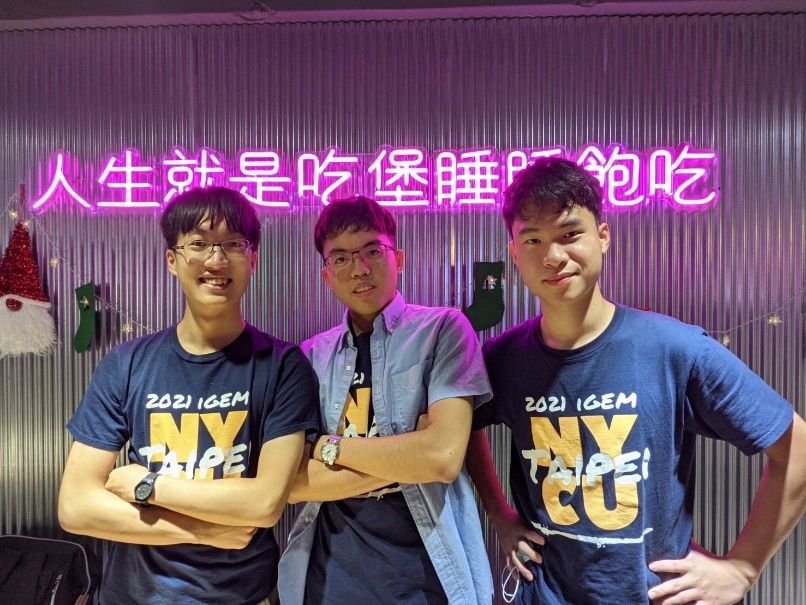
The instinct to look beyond one lane started early, well before I ever set foot in pharmacy school. A year and a half as a research assistant sharpened my critical thinking, and the iGEM synthetic biology competition gave me an early taste of bioinformatics and collaborative strategy. My worldview was still almost entirely lab bench, though, with close to zero exposure to economics, finance, or the business side of life sciences.
To close that gap, I teamed up with two fellow Taipei Medical University students to compete in the Hult Prize, pitching a startup concept for funding: my first real attempt at building a bridge between the science I knew and the business side I did not.
The moment of clarity
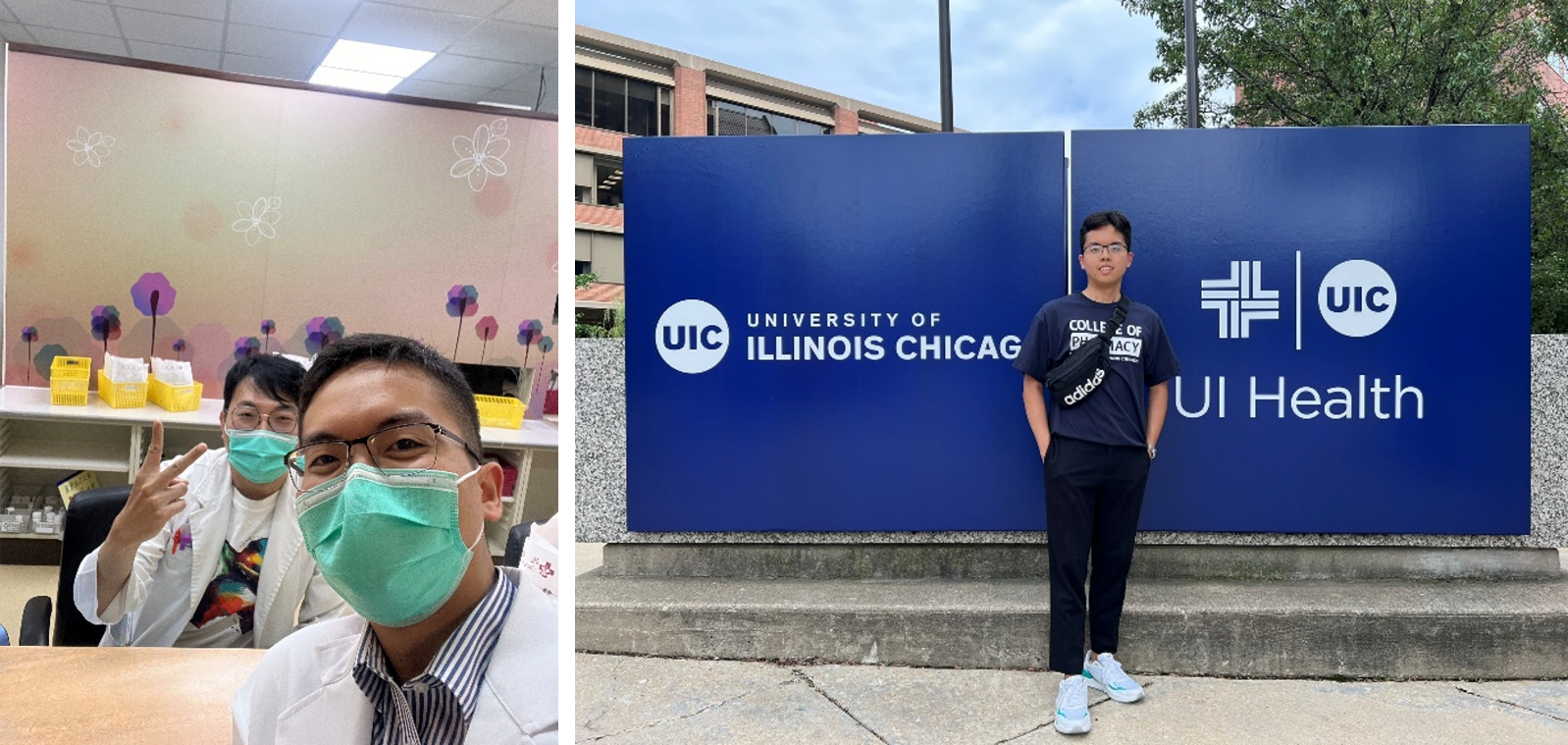
Before graduating, a PharmD Summer Program in the United States, alongside my internships as a community and hospital pharmacist in Taipei, let me watch pharmacy practice up close on two continents. This convinced me that a traditional clinical path was not my calling. With precision medicine, targeted therapies, and AI transforming healthcare around me, a dry lab environment became genuinely appealing.
The catch? No formal computer science or engineering background. I needed a bridge: real technical foundations and clarity on what to do next. A Master's degree became the obvious answer.
Choosing NUS for my future
I did not pick a programme on reputation alone. I evaluated every option against three criteria: an interdisciplinary curriculum, rooted in biology but genuinely integrated with computational biology, bioinformatics, and data science; a global ecosystem, a vibrant, English-speaking hub with a truly international community where I could picture building a career after graduation; and real career flexibility, a launchpad into regional pharmaceutical headquarters and agile industry roles, while keeping a path back to research open as a backup.
The MSc in Precision Health and Medicine (MScPHM) at NUS checked all three boxes: my bridge out of traditional pharmacy practice.
What actually surprised me
A few things about the programme caught me off guard, in the best way. I learned alongside classmates from Malaysia, Canada, the UK, the US, China, and Singapore, all chasing similar goals from completely different starting points, which reshaped how I think and communicate as much as any lecture did. The NUS-Fudan Biotech Workshop let me pursue a side project built entirely around my own interest in economics and health ventures, under the guidance of Prof Caroline Lee. And the programme demystified AI for me.
That reframing mattered more than any single technical skill: I did not have to become a computer scientist to use these tools, only to learn their language well enough to put my existing pharmaceutical expertise to work through them.
Three doors, one direction
I am currently weighing three interconnected paths within the APAC and China life sciences landscape. The first is biotech innovation and business development, leveraging Singapore's position as a regional hub for startups, asset management, and healthcare consulting. The second focuses on medical affairs and real-world evidence, applying health economics to prove the practical value of new therapies. Finally, I am exploring AI-driven clinical strategy, specifically using tools like patient modelling and targeted recruitment to make clinical trials faster and more efficient.
Whichever door I walk through first, MScPHM is what built the bridge to get me there.
About the student
Student: Ivan Ko
Programme: 2025 MScPHM
Ivan trained as a pharmacist at Taipei Medical University, where a year and a half as a research assistant and the iGEM synthetic biology competition first drew him toward computational, "dry lab" work. Internships as a community and hospital pharmacist in Taipei, together with a PharmD Summer Program in the United States, convinced him that his future lay at the intersection of science and business rather than in traditional clinical practice. He joined the MScPHM programme at NUS Medicine to build that bridge, and is now exploring careers across biotech business development, medical affairs and real-world evidence, and AI-driven clinical strategy in the APAC and China life sciences landscape.