
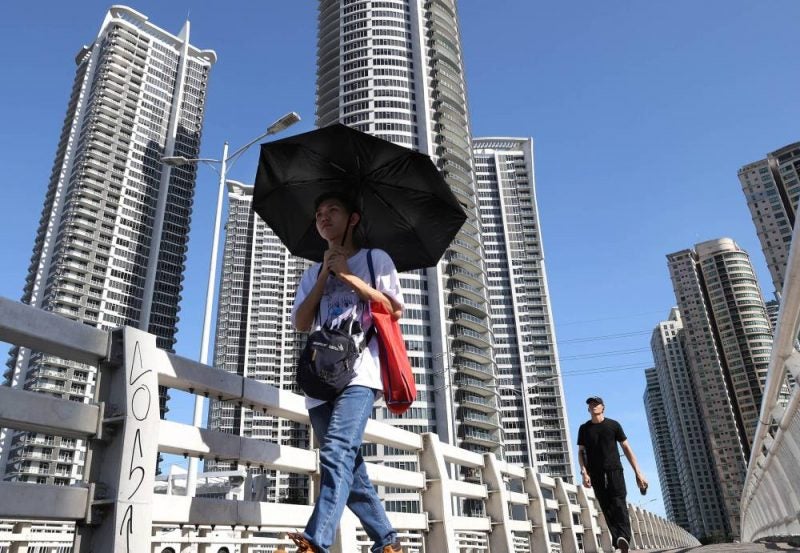
aul John Ala considers Metro Manila’s heat a normal, albeit unpleasant, part of life. But last year was “extremely hot” for the 29-year-old accountant.
Usually, Ala prefers to work from home to save up on commuting costs. But the heat was so intense that “I found myself reporting to the office for two months straight” just to be in air-conditioned rooms. On the weekends, he said, “I stayed in coffee shops… it was so hot that I couldn’t concentrate.”
Ala was one of 4.6 million Filipinos affected by the extreme heat wave that hit the country last year. Heat indices surpassed 42 degrees Celsius and forced the closure of 4,000 schools nationwide. The government declared a state of calamity in about 432 cities, with Cebu City, the most populous in the Visayas region, even declaring a water crisis.
This extreme weather event “would not have happened without climate change,” said World Meteorological Organization Joint Office for Climate and Health lead Joy Shumake Guillemot.